
Raskt svar:
Amming kan føles forskjellig for alle. Det kan føles som en mild dragfølelse, varme eller nærhet—men det kan også innebære ubehag i starten. De fleste foreldre opplever at det blir mer behagelig over tid med riktig støtte og rutine.
Før de begynner, lurer mange foreldre på:
👉 "Hvordan føles amming egentlig?"
Svaret er ikke én løsning som passer for alle.
For noen føles det naturlig med en gang.
For andre tar det tid, tålmodighet og tilpasninger.
Denne guiden forklarer Ekte fysiske sanseinntrykk, emosjonelle opplevelser og DAily realiteter, så du vet hva du kan forvente.
Den første låsen: Hvordan det vanligvis føles
I de tidlige dagene kan den første låsen føles:
- En sterk trekk- eller dragfølelse
- Trykk når babyen lærer å få tak
- Lett ubehag eller følsomhet
👉 Viktig:
En korrekt lås bør gjøre det ikke føle seg skarp eller smertefull Etter de første sekundene.
Hvis det gjør det, kan det være et låseproblem – ikke noe du må «presse deg gjennom».
Nedslippsrefleksen: En unik følelse
Når melken din begynner å renne (kalt Nedlatingsrefleks), kan du føle:
- Tingling
- Warmth
- En svak stramming i brystet
Noen foreldre beskriver det slik:
👉 "Prikking og nåler" eller en mild bølgelignende følelse
Andre merker det ikke i det hele tatt—og det er helt normalt.
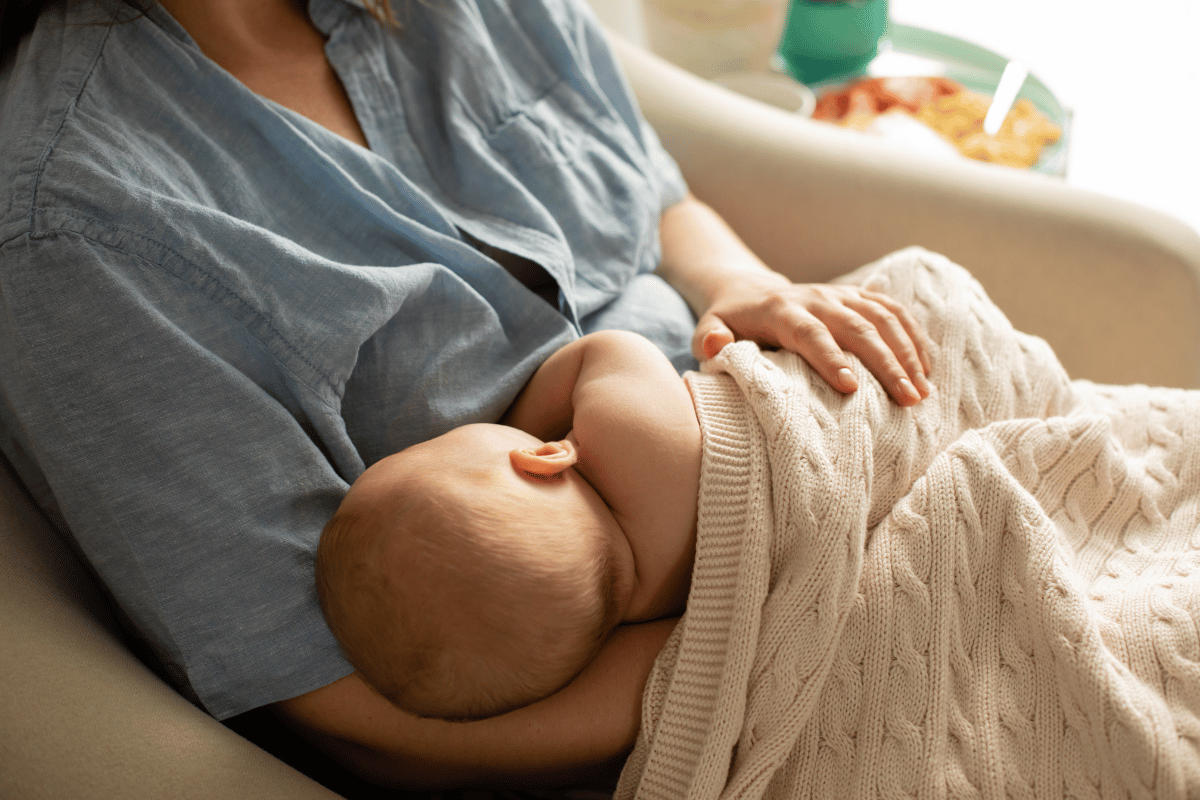
Under mating: Rytmisk og beroligende
Når ammingen først er etablert, føles amming ofte:
- Rytmisk (sug–pause–svelge)
- Varmt og beroligende
- Fysisk avslapning
Mange foreldre legger merke til:
- Skuldrene deres faller
- Pusten deres roer seg
- Kroppen deres går over i en roligere tilstand
Dette skyldes delvis oksytocin—hormonet som frigjøres under amming.
Den emosjonelle siden: Mer enn bare å mate
Amming er ikke bare fysisk – det er dypt emosjonelt.
Du kan føle:
- Tilknytning og nærhet
- En følelse av ro
- Stolthet og prestasjoner
Men også noen ganger:
- Frustration
- Fatigue
- Overwhelm
👉 Alt dette er gyldig.
Amming er ikke bare en matingsmetode – det er en forhold og en rutine som utvikler seg.
Når det føles ubehagelig (og hvorfor det er vanlig)
I begynnelsen opplever mange foreldre:
- Ømme brystvorter
- Brystfylde eller hoven bryst
- Følsomhet under festing
Dette forbedres vanligvis i løpet av de første 1–2 ukene som:
- Babyen din lærer å få tak
- Kroppen din tilpasser seg
- Melkeproduksjonen din regulerer seg
👉 Vedvarende smerter er IKKE normalt—støtte fra en ammekonsulent kan gjøre en stor forskjell.
Pumping føles annerledes (men fortsatt sammenhengende)
For foreldre som pumper, er opplevelsen annerledes:
- Mer mekanisk enn direkte mating
- En dragende følelse i stedet for en babystyrt rytme
- Mindre umiddelbar emosjonell tilbakemelding
Men her er det viktige:
👉 Melken er den samme.
👉 Fordelene er de samme.
Mange foreldre lager meningsfulle rutiner rundt pumping – spesielt når de balanserer jobb, reise eller barnehage.
Den virkelige siden: Der ting blir utfordrende
Amming skjer ikke i et vakuum.
Virkeligheten inkluderer:
- Å forlate huset
- Tilbake til arbeidet
- Tidsstyring
- Transport av melk
Det er ofte her stress oppstår – ikke i selve matingen, men i Alt rundt det.
Gjør amming lettere (ikke vanskeligere)
Den største endringen mange foreldre opplever er denne:
👉 Amming føles bedre når systemet rundt det fungerer.
Det inkluderer:
- En forutsigbar rutine
- Komfortabel mating eller pumping
- Pålitelig melkelagring
Når du fjerner «logistikkstresset», blir opplevelsen mye mer behagelig.
Melkelagringens rolle i din opplevelse
Hvis du pumper eller kombinerer fôringsmetoder, blir lagring en del av hverdagen din.
Spørsmål som:
- "Er dette fortsatt trygt?"
- "Vil det forbli kaldt?"
- "Må jeg skynde meg hjem?"
… kan skape unødvendig press.
Dette er grunnen til at mange foreldre velger å bruke Bærbare løsninger for kjøling av morsmelk, som en DISONCARE-kjøler.
Ikke som en luksus—men som en måte å:
- Beskytt melkekvaliteten
- Reduser stress under utflukter eller arbeidsdager
- Føl deg mer trygg på rutinen din
I stedet for å bekymre deg for lagring, kan du fokusere på det som faktisk betyr noe:
👉 Å mate babyen din komfortabelt.
Hvordan amming føles over tid
Her er hva mange foreldre rapporterer:
Uke 1–2:
Læringskurve, følsomhet, tilpasning
Uker 3–6:
Mer komfortabel, bedre rytme
Etter 2 måneder:
Det føles ofte naturlig, forutsigbart og enklere
👉 Alles tidslinje er forskjellig – men den does Det blir lettere for de fleste.
Ofte stilte spørsmål: Ammingsfølelser
Skal amming gjøre vondt?
Nei. Noe ubehag i starten er vanlig, men vedvarende smerte er vanligvis et tegn på at noe må justeres.
Hva om jeg ikke kjenner nedturen?
Det er helt normalt. Ikke alle føler det.
Er pumping mindre «effektivt» følelsesmessig?
Ikke i det hele tatt. Mange foreldre knytter sterke bånd både gjennom pumping og mating.
Føles amming alltid naturlig?
Ikke alltid. For mange blir det naturlig over tid – ikke umiddelbart.
Viktige punkter
✅ Amming kan føles forskjellig for alle
✅ Tidlig ubehag er vanlig, men smerten bør ikke vedvare
✅ Emosjonelle og fysiske opplevelser er begge viktige
✅ Pumping er et gyldig og effektivt alternativ
✅ Å redusere logistikkstress gjør amming mer behagelig
✅ Verktøy som DISONCARE-kjølere hjelper til med å støtte rutiner i virkeligheten
💬 Vi vil gjerne høre fra deg!
Hvordan føltes amming for deg i begynnelsen – og hvordan endret det seg over tid?
Historien din kan hjelpe en annen forelder til å føle seg mer forberedt 💛