
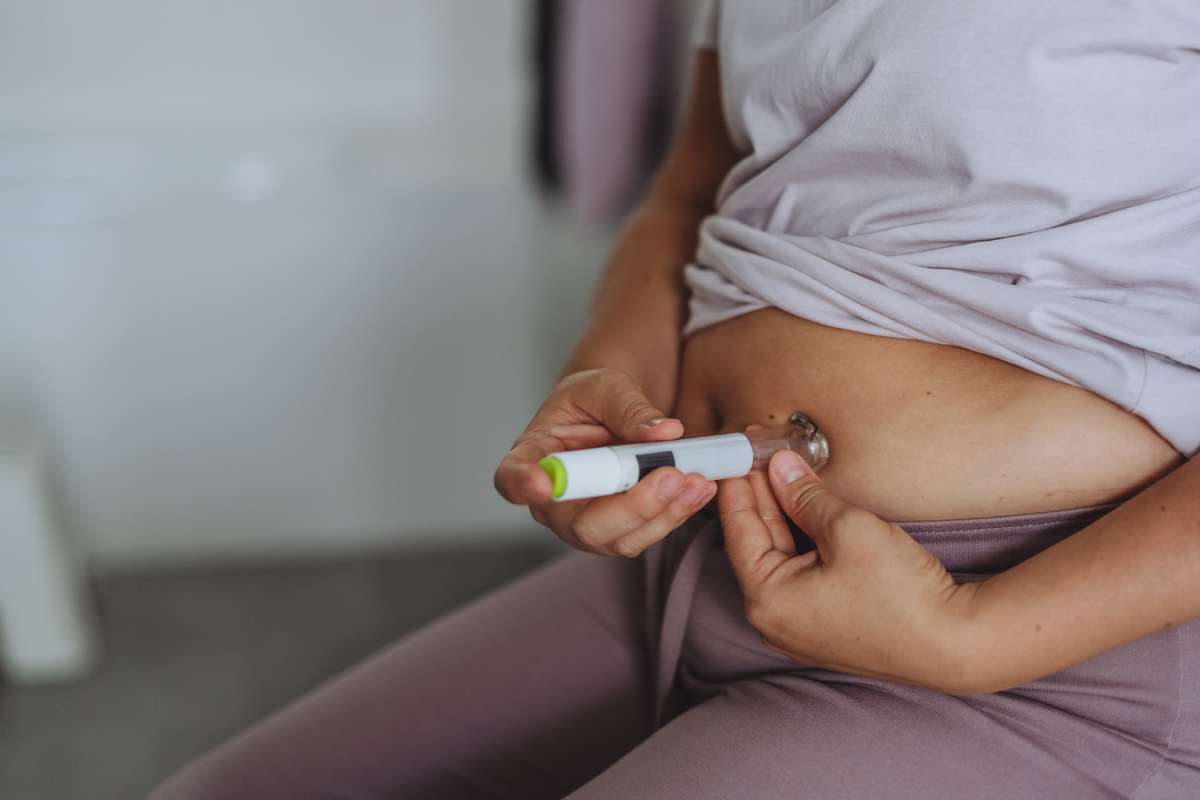
Zepbound (tirzepatide) is a prescription medication available in several injection formats. If you use Zepbound at home or bring it on a trip, understanding its storage instructions is an important part of preparing your medication.
Can you freeze Zepbound? No. According to the U.S. prescribing information from Eli Lilly, do not freeze Zepbound, and do not use it if it has been frozen.
This guide explains what to do if freezing is suspected, how refrigeration and room-temperature limits differ by Zepbound presentation, and what to consider when traveling with an injection device.
Can You Freeze Zepbound?
No. Zepbound must not be frozen. The manufacturer's U.S. instructions explicitly state that frozen Zepbound should not be used. Thawing a frozen pen or vial does not make it acceptable to use again.
The safest approach is to prevent exposure to freezing temperatures in the first place. Keep medication away from freezer compartments, frozen cooling elements in direct contact with the container, and other locations where freezing may occur.
What Happens if Zepbound Freezes?
Freezing takes Zepbound outside its approved storage conditions. The official instruction is to not use Zepbound if frozen. You do not need to determine exactly how the medication may have changed to follow this rule.
If you know your Zepbound froze, do not use that pen or vial. Contact your pharmacist, prescriber, or the manufacturer about obtaining a replacement and disposing of the affected medication appropriately.
Important: A normal appearance after thawing does not establish that a previously frozen medication is suitable for use.
Does Zepbound Need to Be Refrigerated?
Generally, yes. The U.S. prescribing information specifies refrigeration at 36°F–46°F (2°C–8°C), with different permitted room-temperature periods depending on the presentation.
Single-Dose Pen and Single-Dose Vial
- Store in a refrigerator at 36°F–46°F (2°C–8°C).
- If needed, each single-dose pen or single-dose vial may be kept unrefrigerated at temperatures not exceeding 86°F (30°C) for up to a total of 21 days.
- Discard a single-dose pen or vial after a total of 21 days at room temperature, as directed by the U.S. label.
Unopened Multi-Dose Vial or Single-Patient-Use KwikPen
- Keep refrigerated at 36°F–46°F (2°C–8°C). When properly refrigerated, the unopened product can be used until the labeled expiration date.
- If stored at room temperature up to 86°F (30°C), discard the unopened multi-dose vial or KwikPen after 30 days.
Opened (In-Use) Multi-Dose Vial or KwikPen
- Store in the original carton in a refrigerator at 36°F–46°F (2°C–8°C), or at room temperature up to 86°F (30°C), as specified by the U.S. label.
- Discard after a total of 30 days at room temperature, 30 days after first use, or four weekly doses, whichever limit is reached first, even if medication remains.
For every presentation: Do not freeze. Protect Zepbound from heat and light, and follow the original-carton instructions in the label. These are U.S. Zepbound rules; do not assume they apply to other tirzepatide brands, other countries, or other medicines.
For the complete, current requirements, see Eli Lilly's official U.S. Zepbound prescribing information, Section 16.2.
How to Know if Your Zepbound Pen or Vial May Be Compromised
Zepbound solution should be clear and colorless to slightly yellow. Do not use medication that is cloudy, discolored, or contains particles, as described in the manufacturer's instructions. Also check the device and packaging for visible damage and follow the Instructions for Use for your particular presentation.
Appearance is not a reliable test for past freezing or excess heat. If you know the product froze, do not use it. If the temperature history is uncertain or the medication may have exceeded its labeled limits, ask a pharmacist, prescriber, or Lilly for guidance before use.

How to Store Zepbound at Home
Choose a Suitable Refrigerator Location
For products that require refrigeration, use a location where the manufacturer's recommended temperature can be maintained. Avoid the freezer compartment or any area where the medication could freeze. Keep Zepbound in its original carton to protect it from light.
Protect It From Heat
Avoid leaving medication in a parked car, near a heat source, or in luggage exposed to direct sunlight. A bag or vehicle interior may become hotter than the surrounding outdoor air. Check the relevant labeled storage limits rather than assuming that any warm location is acceptable.
Keep Track of Time Outside Refrigeration
Record when a presentation subject to a room-temperature time limit is removed from refrigerated storage. The correct limit depends on whether you have a single-dose pen, single-dose vial, multi-dose vial, or KwikPen. A universal "21 days after opening" rule is not accurate for all Zepbound products.
Traveling With Zepbound: Planning for Heat and Freezing Risks
Before a flight, road trip, or long journey, check your exact Zepbound presentation and its storage instructions. Consider the time in transit, outdoor temperatures, availability of refrigeration at your destination, and the physical size of your injection device.
How a DISONCARE Hard Medication Cooler Can Help
DISONCARE hard medication coolers use an insulated stainless-steel container and a prepared Blue BioGel bottle to provide passive cooling support during travel without a power connection.
- Prepare the BioGel according to the instructions for your specific DISONCARE model before packing.
- Use the designated pouch or protective separation and avoid direct contact between medication and a frozen cooling component.
- Check the fit of your exact injection device, including its overall width and length, before selecting a cooler. Not every Zepbound format fits every cooler.
- Plan for the full journey, including delays, transfers, and storage after arrival.
Cooling support is not a fixed-temperature guarantee. Actual chamber temperatures and cooling duration vary with the model, BioGel preparation, ambient temperature, and packing arrangement. DISONCARE does not guarantee that medication remains at 36°F–46°F (2°C–8°C) for a particular length of time, and a passive cooler does not actively regulate temperature.
If using a DISONCARE model with a digital display or dial, treat the reading as a reference to the air temperature near the sensor inside the container, not a measurement of the medication or its liquid contents.
Compare options and device dimensions in the DISONCARE GLP-1 Travel Cooler Guide. Always follow your medication's storage instructions when deciding whether a cooler is appropriate.
What About a Soft Travel Cooler Bag?
A soft insulated bag may be convenient for some shorter outings. Its suitability depends on the particular bag, cooling elements, outdoor conditions, and the dimensions of your medication device. Do not assume that a soft bag maintains a specific medication temperature or protects against freezing without appropriate evidence and preparation.
Can You Bring Zepbound and Cooling Supplies Through TSA Screening?
For travel through U.S. airports, TSA permits medically necessary medications and associated cooling supplies in carry-on baggage, subject to security screening. Tell the security officer about medically necessary liquids and cooling accessories, and allow time for additional screening if requested.
DISONCARE coolers are not TSA-approved or TSA-certified products. TSA screening rules and decisions apply at the checkpoint. For travel outside the United States, check the requirements of your departure and transit airports, destination, and airline.
See TSA's official carry-on and medication screening guidance.
What if the Power Goes Out?
During a power outage, keep the refrigerator closed when possible, monitor the storage conditions if you have a suitable thermometer, and make an alternative plan if the required temperature cannot be maintained.
A prepared passive cooler may provide temporary cooling support, but it cannot guarantee safe medication storage throughout an outage. Avoid direct contact with frozen gel or loose ice, and consult a pharmacist or the manufacturer if Zepbound may have exceeded its storage limits.
When Should You Stop Using or Replace Zepbound?
- If it has frozen: do not use it, even after thawing.
- If a labeled room-temperature time limit has been reached: follow the discard instructions for your specific presentation.
- If the solution appears cloudy, discolored, or contains particles: do not use it; follow the Instructions for Use and seek professional guidance as needed.
- If it may have been exposed to excess heat or unknown conditions: contact your pharmacist, prescriber, or Lilly to determine the next step instead of relying on appearance alone.

Frequently Asked Questions
Can I use Zepbound after it has thawed?
No. If Zepbound has frozen, the manufacturer's instruction is not to use it.
Can every Zepbound pen stay at room temperature for 21 days?
No. The U.S. 21-day rule applies to the single-dose pen and single-dose vial. Multi-dose vials and single-patient-use KwikPens have different 30-day and in-use limits. Always check your exact presentation.
Does a medication cooler guarantee that Zepbound stays at 2°C–8°C?
No. A passive travel cooler provides cooling support, not active temperature control or a guaranteed medication storage range.
Does a DISONCARE digital display measure the temperature of the medicine?
No. It displays the internal air temperature near the sensor, which may differ from the temperature of the medication itself.
Key Takeaways
- Never freeze Zepbound. Do not use it if it has been frozen.
- Know your Zepbound presentation. U.S. room-temperature limits differ for single-dose and multi-dose formats.
- Protect medication from heat and light. Keep the original-carton and storage instructions in mind.
- Travel cooling requires planning. Prevent direct contact with frozen cooling elements, check device fit, and arrange suitable storage at your destination.
- Do not rely on a cooler reading alone. Air temperature is not the same as medication temperature.
Important notice: This article provides general educational and travel-preparation information based on U.S. labeling and is not individualized medical advice. Always consult the instructions supplied with your specific medication, and ask your pharmacist, prescriber, or manufacturer about uncertain storage conditions. DISONCARE supplies cooling containers and accessories; no medication is included or sold with these products.