
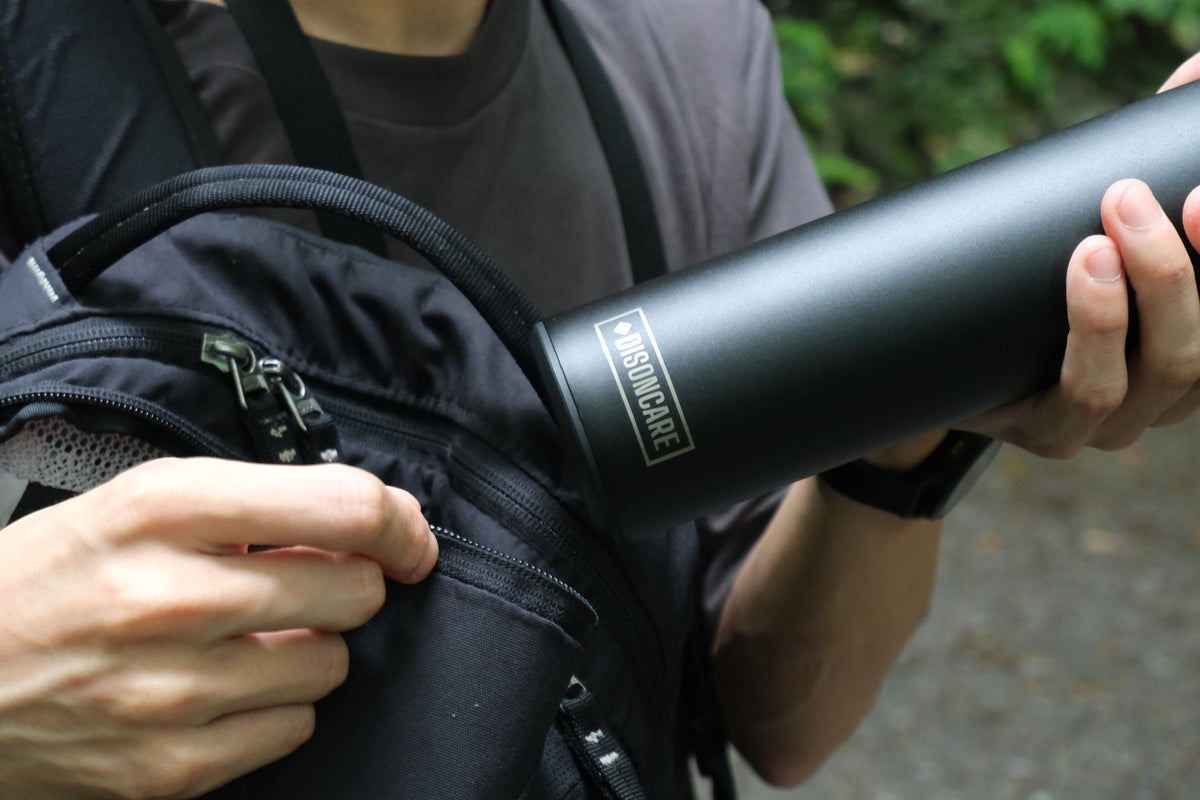
インスリン、GLP-1注射剤、生物製剤、その他の温度に敏感な医薬品など、冷蔵保存が必要な医薬品を旅行する際は、注意が必要です。適切な準備、保管、そして(医療用クーラーボックスなどの)旅行用具があれば、医薬品の安全性と有効性を確保できます。
🔒 医薬品の適切な保管が重要な理由
現代の注射剤の多くはタンパク質ベースまたは生物製剤であるため、温度変化(高温または低温)によって劣化し、効力が低下したり、安全性が損なわれたりする可能性があります。そのため、保管方法には初回使用時まで冷蔵保存、その後は温度範囲の制限が求められることがよくあります。
✅ 事例研究:Saxenda(保管要件と取り扱いミスが発生した場合の影響)
サクセンダについて:
-
初めて使用する前(未開封のペン):2℃~8℃(36°F~46°F)の冷蔵庫で保管してください。凍らせたり、冷凍庫の通気口の近くに置いたり しないでください。
-
初回使用後:ペンは室温(15℃~30℃)または2℃~ 8℃で冷蔵保存できます(最長30日間)。投与量が残っていても、30日経過後はペンを廃棄してください。
-
サクセンダを凍らせないでください。凍ったペンは廃棄してください。
これらの明確なガイドラインは、GLP-1製剤や同様の注射剤にとって安定した温度管理がいかに重要であるかを示す好例と言えるでしょう。
🧊 医療用クーラーボックスが、間に合わせのバッグではなく、賢い旅行ソリューションである理由
一般的なランチバッグや保冷剤では不十分です。温度に敏感な医薬品は、一時的な冷却ではなく、継続的かつ安全な冷却が必要です。適切な医療用クーラーが役立ちます。
-
2~8℃(または指定された別の安全範囲)を安定して維持する。
-
凍結防止(適切な断熱材を使用した場合)
-
熱、光、急激な温度変化から保護してください。
例えば、医療用規格に適合したクーラーボックスを使えば、通勤、飛行機での移動、ドライブ旅行など、どのような場合でも上記の保管規則を遵守することができます。
✈️ 冷蔵保存が必要な薬を安全に持ち運ぶ方法(チェックリスト+ヒント)
✅ 持ち物/準備するもの:
-
元の包装に入った薬と処方箋ラベル
-
温度制御機能付き医療用クーラー(例:DISONCAREクーラー)
-
アイスパックまたはジェルパック(液漏れしない、医薬品グレードのもの)
-
小型の温度計または温度表示器(クーラーに付いていない場合)
-
医師の診断書または服用薬リスト(航空会社/空港での保安検査に役立ちます)
✅ 旅行中(飛行機/車/電車):
-
薬は必ず機内持ち込み手荷物に入れてください。預け入れ荷物には入れないでください(貨物室の極端な場所を避けるため)。
-
クーラーボックスは閉めて断熱状態を保ち、頻繁に開けないようにしてください。
-
温度計ストリップで温度を測定
-
暖房器具の吹き出し口付近や直射日光の当たる場所に置かないでください。
-
長距離旅行の場合は、追加の保冷剤を使用するか、可能であれば再冷凍することを検討してください。
✅目的地に到着したら:
-
長期滞在の場合は、ホテルまたは現地の冷蔵庫をご利用ください。
-
それ以外の場合は、クーラーボックスを使い続けてください。特に暑い気候や旅行中は。
🧳 DISONCAREのようなクーラーが特に便利な理由
DISONCAREの医療用クーラーなど、医薬品用に設計された高品質のクーラーは、医薬品輸送における多くの一般的なリスクに対処します。
-
医薬品を2~8℃に保つバランスの取れた断熱性
-
複数のペンやバイアルを保冷剤と一緒に収納できるスペース
-
コンパクトで持ち運びやすいデザイン – 機内持ち込みバッグやデイバッグに収まります
-
温度変化、衝撃、漏れに強い耐久性のあるシェル
GLP-1製剤、インスリン、その他の注射剤を使用している人にとって、そのような信頼性は、効果的な投与量と薬の無駄遣いの分かれ目となる可能性がある。
✅ 主なポイント
-
未開封のペンは必ず冷蔵庫で保管してください。製造元の保管方法を厳守してください。
-
開封後、多くの注射剤(サクセンダなど)は室温で一定時間保管できますが、決して凍らせてはいけません。凍らせると効力が失われる可能性があります。
-
旅行中や冷蔵庫から離れているときは、医薬品を安全かつ効果的に保管し、温度に関するガイドラインを遵守するために、適切なDISONCARE製医療用クーラーが不可欠です。
-
飛行機での移動には、機内持ち込み手荷物が最適です。薬は保冷バッグに入れて保管し、必要に応じてTSA(運輸保安庁)に医療品について申告してください。
📚 参考文献
-
サクセンダ(リラグルチド)FDA承認処方情報 -保管および取り扱いに関する指示。
-
Saxendaの患者向け情報とよくある質問 ―初回使用後の保管方法、温度管理に関するガイダンス。
-
科学情報交換サイト — GLP-1受容体作動薬の安定性および保管条件。