
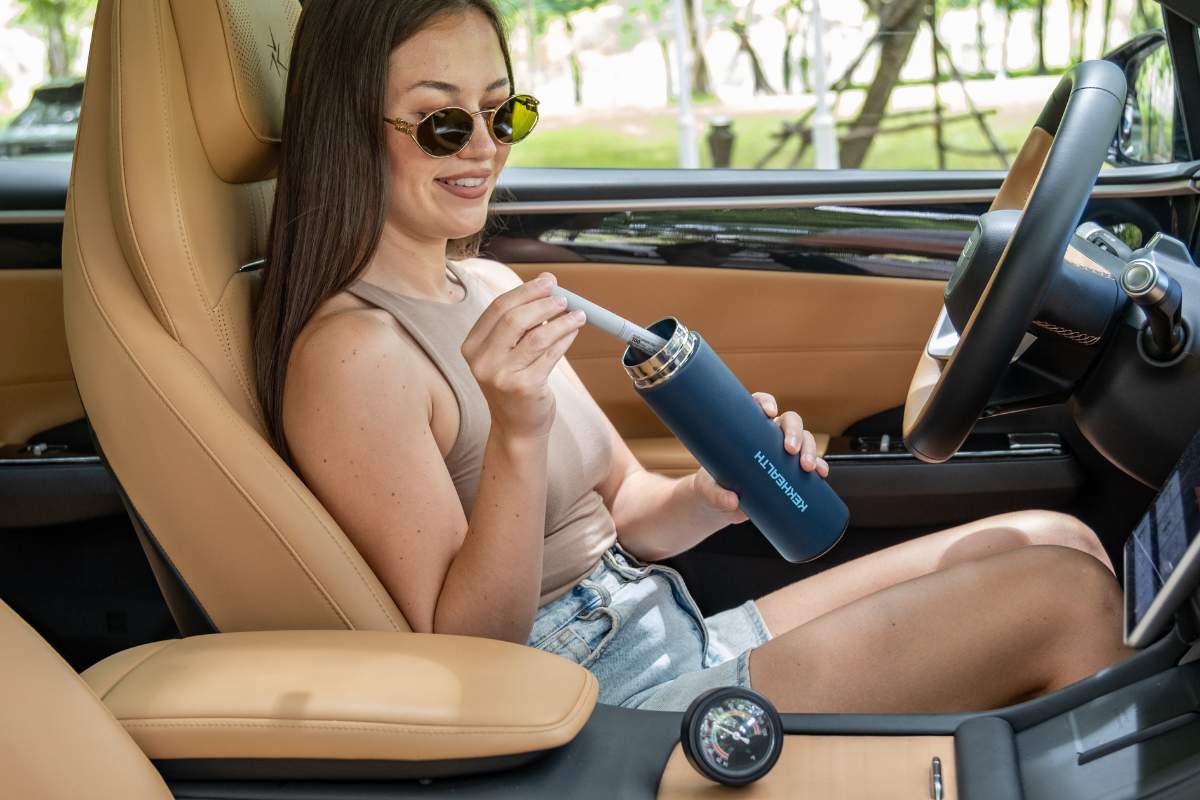
Leven met diabetes betekent dat je elke dag je insuline moet beheren – of je nu naar je werk pendelt, door tijdzones reist of gewoon je dagelijkse routine volgt met een insulinepomp. Temperatuurbeheersing, voorraadbeheer en een consistente dosering zijn essentieel om de bloedsuikerspiegel stabiel te houden en kostbaar medicijnverlies te voorkomen.
Deze gids beschrijft hoe u veilig met insuline kunt reizen , de beste werkwijzen voor dagelijks gebruik van een insulinepomp en hoe hulpmiddelen zoals DISONCARE medische koelboxen u kunnen helpen uw insuline te beschermen, waar u ook bent.
✈️ Deel 1: Hoe je veilig kunt reizen met insuline
Reizen met insuline vereist meer dan alleen het inpakken van een tas. Insuline is temperatuurgevoelig en kan zijn werkzaamheid verliezen bij blootstelling aan hitte, vrieskou of langdurig licht.
✅ Regels voor de bewaartemperatuur van insuline
-
Insuline gekoeld bewaren: 2°C–8°C (36°F–46°F)
-
Insuline voor gebruik: Bewaren bij kamertemperatuur tot 30°C gedurende 28 dagen (raadpleeg het etiket van uw merk).
-
Vries insuline nooit in ; bevroren insuline moet worden weggegooid.
Zodra insuline de veilige temperatuurzone overschrijdt, kan het minder effectief worden, zelfs als het er normaal uitziet.
Referentie: CDC – Opslag en hantering van insuline
https://www.cdc.gov/diabetes/ndep/partners/pdf/NDPE-how-to-store-insulin.pdf
🧳 Pak slim in: Wat mee te nemen als je met insuline reist
Stop insuline altijd in je handbagage – nooit in je ingecheckte bagage.
Reischecklist:
-
Extra insuline (minstens twee keer de duur van je reis)
-
Insulinepennen of -flacons
-
Spuiten of pennaalden
-
Alcoholdoekjes
-
Benodigdheden voor bloedglucosemeters of CGM's
-
Reservebatterijen of -laders
-
Medische voorschriftdocumentatie
-
Snelwerkende glucosesnacks
-
Draagbare medische koelbox
Een geïsoleerde medische koelbox van DISONCARE helpt insuline op een veilige temperatuur te houden tijdens vluchten, autoritten, buitenactiviteiten en lange tussenstops, en voorkomt zowel oververhitting als onbedoelde bevriezing.
✈️ TSA-regels voor reizen met insuline
-
Insuline en benodigdheden mogen in de handbagage worden meegenomen.
-
Vloeistoffen van meer dan 100 ml zijn toegestaan voor medisch gebruik.
-
IJspakken en gelpacks zijn toegestaan.
-
Geef medische artikelen aan bij de veiligheidscontrole.
Reference: TSA – Traveling with Medications
https://www.tsa.gov/travel/security-screening/whatcanibring/items/medications
🌡️ Protect Insulin from Heat While Traveling
Avoid leaving insulin in:
-
Parked cars
-
Direct sunlight
-
Beach bags
-
Hot backpacks
Using a reliable travel cooler like DISONCARE ensures insulin stays within safe temperature ranges even when refrigeration is unavailable.
🔄 Part 2: Daily Insulin Pump Use Best Practices
Insulin pumps provide continuous insulin delivery and flexibility — but they require consistent care to function properly.
🔁 Change Infusion Sites Regularly
-
Rotate sites every 2–3 days
-
Avoid scar tissue and irritated skin
-
Use clean, dry skin
Repeated use of the same site can reduce insulin absorption and cause glucose variability.
Reference: American Diabetes Association – Insulin Administration
https://diabetes.org/diabetes/medication-management/insulin/insulin-administration
🔋 Monitor Pump Equipment Daily
Check:
-
Battery levels
-
Tubing for air bubbles or kinks
-
Cannula placement
-
Adhesive security
Carry backup supplies in case of pump malfunction.
🌡️ Protect Insulin Inside the Pump
Even insulin inside the pump reservoir can degrade when exposed to heat.
During:
-
Hot weather
-
Outdoor activities
-
Travel days
Store spare insulin in a cooler and keep pump tubing shaded when possible. Many pump users keep backup insulin protected in a DISONCARE medical cooler during long workdays or outdoor events.
📊 Monitor Blood Sugar More Frequently
Pump users should monitor glucose closely when:
-
Traveling
-
Changing time zones
-
Exercising
-
Exposed to heat
Heat can accelerate insulin absorption and increase hypoglycemia risk.
Reference: Beyond Type 1 – Heat and Diabetes
https://beyondtype1.org/heat-and-diabetes-why-its-crucial-to-monitor-blood-sugar-in-hot-weather/
🚨 Prepare for Pump Failures
Always carry:
-
Long-acting insulin (if prescribed)
-
Syringes or insulin pens
-
Extra infusion sets
-
Written pump settings
A pump failure should never leave you without insulin access.
🧊 How DISONCARE Medical Coolers Support Insulin Users
Whether you’re traveling internationally or heading to work, temperature stability protects insulin effectiveness.
DISONCARE coolers provide:
-
Stable cooling for 24–48 hours
-
Protection from heat and freezing
-
TSA-friendly travel design
-
Compact portability
-
Safe storage for insulin, GLP-1 medications, and biologics
Ideal for:
✔ Flights and airports
✔ Long road trips
✔ Outdoor events
✔ Power outages
✔ Daily commuting
🧠 Practical Daily Scenarios
Scenario 1 – Office Commuter:
Carry spare insulin in a DISONCARE cooler during long commutes and unpredictable office fridge access.
Scenario 2 – Family Road Trip:
Store insulin safely in a medical cooler instead of glove compartments or car consoles.
Scenario 3 – Outdoor Activities:
Protect insulin from sun exposure during hikes, sports events, or beach days.
Scenario 4 – International Travel:
Keep insulin temperature stable through airport security and long layovers.
✅ Final Takeaway
Managing insulin while traveling and using an insulin pump daily doesn’t have to be stressful. With smart preparation, temperature control, and reliable tools like DISONCARE medical coolers, you can protect your medication, maintain stable blood sugars, and enjoy life confidently — wherever you go.
📚 References
-
CDC – How to Store and Transport Insulin
https://www.cdc.gov/diabetes/ndep/partners/pdf/NDPE-how-to-store-insulin.pdf -
TSA – Traveling with Medications
https://www.tsa.gov/travel/security-screening/whatcanibring/items/medications -
American Diabetes Association – Insulin Administration
https://diabetes.org/diabetes/medication-management/insulin/insulin-administration -
Beyond Type 1 – Heat and Diabetes
https://beyondtype1.org/heat-and-diabetes-why-its-crucial-to-monitor-blood-sugar-in-hot-weather/