
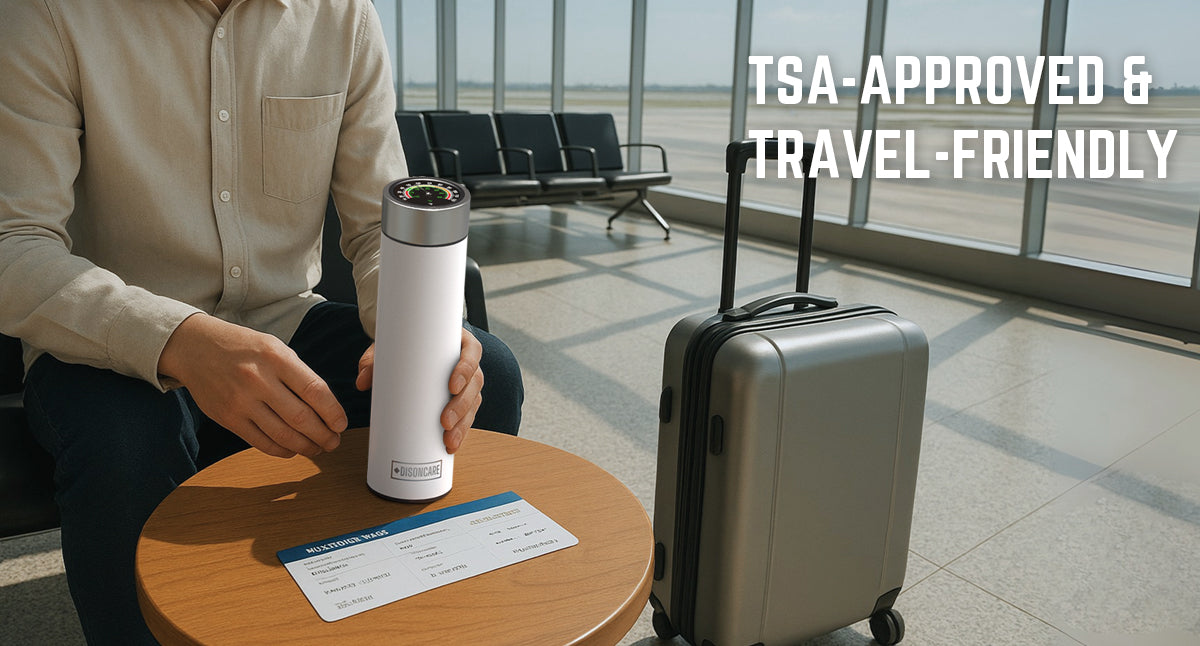
Podróżowanie za granicę w ramach leczenia choroby może wydawać się onieśmielające, zwłaszcza gdy leki muszą pozostać zimne, przejść kontrolę bezpieczeństwa na lotnisku i spełniać zagraniczne przepisy.Niezależnie od tego, czy polegasz na insulinie, lekach GLP-1 (takich jak Ozempic, Wegovy lub Zepbound), lekach biologicznych czy innych lekach na receptę, właściwe przygotowanie robi różnicę.
Ten przewodnik przeprowadzi Cię krok po kroku jak przygotować, spakować i podróżować za granicę z lekami bezpiecznie i legalnie, dzięki czemu możesz skupić się na czerpaniu przyjemności z podróży, nie martwiąc się o swoje zdrowie.
1. Planuj z wyprzedzeniem: sprawdź zasady dotyczące leków dla Twojego miejsca docelowego
Przepisy dotyczące leków różnią się znacznie w zależności od kraju.Niektóre leki legalne w USA mogą podlegać ograniczeniom lub regulacjom w innych krajach.
Co sprawdzić przed podróżą:
-
Czy Twoje leki są legalne w kraju docelowym
-
Limity ilościowe (często 30–90 dni)
-
Klasyfikacja substancji kontrolowanych
-
Ograniczenia dotyczące chłodzenia lub przechowywania
-
Wymagania dotyczące dokumentacji importowej
Odwiedź kraj docelowy:
-
Strona ambasady lub konsulatu
-
stronie Ministerstwa Zdrowia
⚠️ Nigdy nie zakładaj, że zasady TSA mają zastosowanie na arenie międzynarodowej—przepisy celne są inne.
2. Miej przy sobie odpowiednią dokumentację medyczną (jest to niezwykle istotne)
Zawsze podróżuj z kopie fizyczne swojej dokumentacji medycznej.
Niezbędne dokumenty, które należy zabrać:
-
Pismo lekarza stwierdzające:
-
Twoja diagnoza
-
Nazwa leku (preferowana nazwa ogólna)
-
Dawkowanie i częstotliwość
-
Potrzeba chłodzenia lub ostrych przedmiotów
-
-
Oryginalne etykiety na receptę
-
Wydruki apteczne
-
Wkładki do leków producenta (opcjonalne, ale pomocne)
Zachowaj te dokumenty ze swoimi lekami, nie w bagażu rejestrowanym.
3. Spakuj leki do torby podręcznej – nigdy rejestrowanej
Bagaż rejestrowany jest narażony na:
-
Ekstremalne temperatury
-
Opóźnienia bagażowe
-
Zgubione torby
Wszystkie leki należy kontynuować, w tym leki przechowywane w lodówce i do wstrzykiwań.
Najlepsza praktyka:
-
Przechowuj leki w oryginalnych opakowaniach
-
Trzymaj wszystko razem w jednej torbie medycznej
-
Oddziel leki podczas kontroli bezpieczeństwa i zgłoś to
4. Jak podróżować za granicę z lekami w lodówce
Wiele leków – takich jak insulina, zastrzyki GLP-1, leki na płodność i leki biologiczne – musi znajdować się w określonym zakresie temperatur.
Dlaczego lodówka klasy medycznej ma znaczenie?
Standardowe torby na lunch nie nadają się do długich lotów międzynarodowych.
The DISONCARE twarda lodówka medyczna idealnie nadaje się do podróży międzynarodowych, ponieważ:
-
Utrzymuje bezpieczną temperaturę przez do 24 godzin
-
Jest odpowiedni do kontroli TSA i przetestowany w podróży
-
Przeznaczony do insuliny, GLP-1 i leków biologicznych
-
Chroni przed zamarznięciem i przegrzaniem
-
Z łatwością mieści się w bagażu podręcznym
💡 Oryginalnie zaprojektowane do krytycznego transportu insuliny, zapewniają chłodziarki DISONCARE izolacja na poziomie medycznym zaufane przez podróżników na całym świecie.
5. Nawigacja po zabezpieczeniu lotniska & Służba celna na arenie międzynarodowej
Przy wyjściu (USA):
-
Brane są pod uwagę leki medycznie niezbędne płyny
-
Dozwolone są okłady z lodu, okłady żelowe i elementy chłodzące
-
Podczas badania przesiewowego zadeklaruj leki i chłodnicę
Przy przylocie międzynarodowym:
-
Funkcjonariusze celni mogą:
-
Sprawdź leki
-
Przejrzyj recepty
-
Zadawaj pytania dotyczące ilości
-
Zachowaj spokój, porządek i przejrzystość.Dokumentacja zazwyczaj szybko rozwiązuje problemy.
6. Postępowanie z ostrymi i igłami & Materiały do wstrzykiwań za granicą
Większość krajów zezwala na osobiste użycie ostrych narzędzi medycznych, ale zasady ich utylizacji są różne.
Tips:
-
Noś A przenośny pojemnik na ostre przedmioty
-
Nigdy nie wyrzucaj luźnych igieł do śmieci
-
Zapytaj hotele lub apteki o właściwą utylizację
-
W przypadku opóźnień należy zabrać ze sobą dodatkowe zapasy
Użytkownicy DISONCARE często łączą lodówki z kompaktowe, podróżne pojemniki na ostre przedmioty dla pełnego bezpieczeństwa leku.
7. Zmiany stref czasowych & Harmonogramy leków
Przekraczanie stref czasowych może mieć wpływ na harmonogramy dawkowania.
Najlepsze praktyki:
-
Przed podróżą skonsultuj się ze swoim lekarzem
-
Jeśli to możliwe, stopniowo dostosowuj czasy wtrysku
-
Korzystaj z alarmów lub aplikacji związanych z lekami
-
Podczas długich lotów należy zachować spójny czas przyjmowania leków
Dla użytkowników insuliny i GLP-1 szczególnie ważna jest kontrola temperatury i stały czas podawania.
8. Hotel & Zakwaterowanie Wskazówki dotyczące przechowywania leków
Przed dokonaniem rezerwacji:
-
Potwierdź dostępność lodówki
-
Zapytaj, czy jest dostępne miejsce w zamrażarce (w razie potrzeby)
W miejscu docelowym:
-
Przechowuj leki w hotelowej lodówce
-
Unikaj lodówek z minibarem (często zawodnych)
-
Podczas wycieczek przechowuj zapasowe chłodzenie w lodówce DISONCARE
Twoja lodówka działa jak ubezpieczenie przenośne gdy dostęp do urządzeń chłodniczych jest niepewny.
9. Ubezpieczenie podróżne & Gotowość na wypadek sytuacji awaryjnych
Wybierz ubezpieczenie podróżne, które obejmuje:
-
Istniejące warunki
-
Doraźna wymiana leków
-
Ewakuacja medyczna
Also:
-
Miej przy sobie numery kontaktowe w sytuacjach awaryjnych
-
Poznaj lokalne służby ratunkowe
-
Sprawdź pobliskie szpitale lub kliniki
10. Typowe błędy, których należy unikać podczas podróży z lekami
❌ Pakowanie leków w bagaż rejestrowany
❌ Zapominanie o dokumentacji
❌ Używanie nieizolowanych toreb
❌Zakładając, że lodówki hotelowe są bezpieczne
❌Podróżowanie bez dawek zapasowych
❌ Nie sprawdzanie przepisów międzynarodowych
Unikanie tych błędów radykalnie zmniejsza stres w podróży.
Wniosek: podróżuj pewnie, bezpiecznie i przygotowany
Podróżowanie za granicę z lekami nie musi ograniczać Twojego życia ani przygód.Dzięki odpowiedniemu planowaniu, przejrzystej dokumentacji i niezawodnej kontroli temperatury możesz bezpiecznie podróżować w dowolne miejsce na świecie.
Korzystanie z Lodówka medyczna DISONCARE zapewnia spokój ducha, zapewniając bezpieczeństwo, skuteczność i ochronę leków podczas lotów, międzylądowań, kontroli celnych i codziennych podróży zagranicznych.
Przygotowani podróżnicy nie tylko podróżują dalej — podróżują mądrzej.
Referencje & Zaufane źródła
Możesz umieścić hiperłącza w swojej witrynie internetowej:
-
Administracja Bezpieczeństwa Transportu (TSA) – Leki & Płyny medyczne
https://www.tsa.gov/travel/special-procedures -
Żywność amerykańska & Agencja ds. leków (FDA) – Podróżowanie z lekami
https://www.fda.gov/drugs -
Centra Kontroli i Zapobiegania Chorobom (CDC) – Podróżowanie z chorobami przewlekłymi
https://wwwnc.cdc.gov/travel -
Międzynarodowe Stowarzyszenie Przewoźników Powietrznych (IATA) – Artykuły medyczne & Towary niebezpieczne
https://www.iata.org -
Departament Stanu USA – Zdrowie w podróży & Wytyczne Ambasady
https://travel.state.gov