
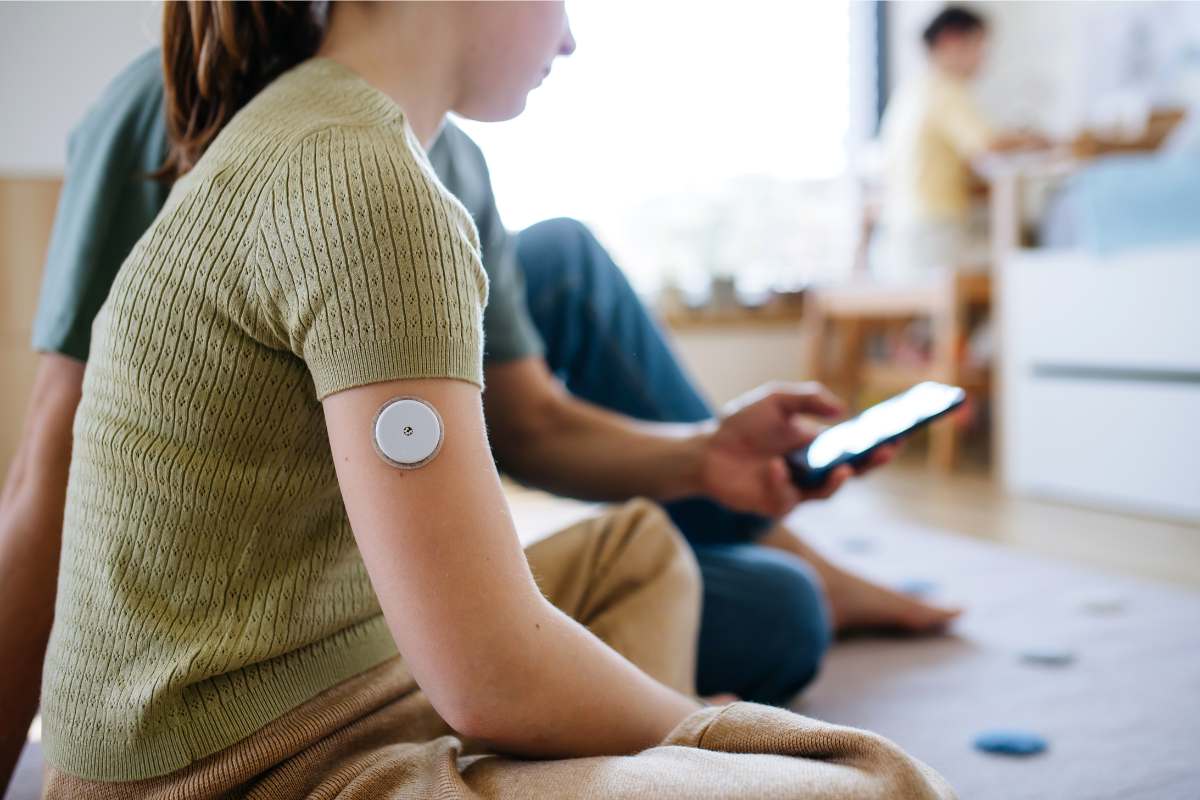
Jeśli używasz pompy insulinowej lub nosisz urządzenia do ciągłego monitorowania poziomu glukozy (CGM), możesz zauważyć zmiany na niektórych obszarach skóry twarde, grudkowate lub z upływem czasu mniej wrażliwe na insulinę.Często jest to spowodowane blizny lub lipohipertrofia, częsty problem, któremu można jednak zapobiec u osób regularnie stosujących insulinę.
Zrozumienie, dlaczego tworzą się blizny i jak sobie z nimi radzić, może się poprawić wchłanianie insuliny, kontrola poziomu glukozy i długoterminowe zdrowie skóry.
Co to jest tkanka bliznowata lub lipohipertrofia?
Tkanka bliznowata w miejscach pomp insulinowych jest często określana jako lipohypertrophy — pogrubienie tkanki tłuszczowej spowodowane wielokrotnym narażeniem na insulinę i urazami mechanicznymi.
Może się wydawać:
-
Twardy lub gumowy
-
Obrzęk lub podniesienie
-
Mniej wrażliwa niż otaczająca skóra
Wstrzyknięcie lub wlew insuliny w te miejsca może prowadzić do: nieprzewidywalne wchłanianie, opóźnione działanie insuliny i niewyjaśnione wysokie lub małe stężenie cukru we krwi.
Reference:
Amerykańskie Stowarzyszenie Diabetologiczne – Zastrzyk insuliny & Powikłania po infuzji
https://diabetes.org/diabetes/medication-management/insulin-other-injectables/insulin-injections
Dlaczego w miejscach pompowania tworzą się blizny?
1. Powtarzające się korzystanie z tego samego obszaru
Wielokrotne używanie tego samego miejsca nie daje skórze wystarczająco dużo czasu na zagojenie się, co prowadzi do uszkodzenia tkanki.
Reference:
Association of Diabetes Care & Specjaliści ds. edukacji (ADCES) – Zarządzanie miejscem infuzji
https://www.adces.org/education/danatech/insulin-pumps/infusion-sets
2. Zbyt długie pozostawianie zestawów infuzyjnych
Większość zestawów infuzyjnych należy wymieniać co 2–3 dni.Dłuższe noszenie ich zwiększa stan zapalny i rozpad tkanek.
Reference:
Medtronic Diabetes – Wytyczne dotyczące zestawu infuzyjnego
https://www.medtronicdiabetes.com/customer-support/infusion-set-support
3. Uraz mechaniczny
Kaniule, kleje i częste wkłucia mogą podrażniać skórę – zwłaszcza jeśli miejsca są umieszczone w pobliżu blizn, pasów lub obszarów ruchu.
Reference:
Journal of Diabetes Science and Technology – powikłania w miejscu infuzji
https://journals.sagepub.com/home/dst
4. Wpływ insuliny na tkankę tłuszczową
Insulina sprzyja miejscowemu wzrostowi tkanki tłuszczowej, co przyczynia się do lipohipertrofii w przypadku wielokrotnego stosowania tego samego obszaru.
Reference:
Narodowa Biblioteka Medyczna – Lipohipertrofia
https://pubmed.ncbi.nlm.nih.gov/28659739/
Dlaczego tkanka bliznowata stanowi problem w kontroli poziomu cukru we krwi
Używanie uszkodzonej tkanki może powodować:
-
Opóźnione wchłanianie insuliny
-
Niewyjaśniona hiperglikemia
-
Zwiększone zapotrzebowanie na insulinę
-
Wyższe poziomy A1C
Wiele osób nie zdaje sobie sprawy, że problemy z witryną są przyczyną „losowych” wzlotów.
Reference:
Dziennik opieki nad cukrzycą – wpływ lipohipertrofii na kontrolę glikemii
https://diabetesjournals.org/care
Co możesz zrobić, aby zapobiec powstawaniu blizn
✅ Prawidłowo obracaj witryny
Użyj uporządkowanego wzorca rotacji:
-
Brzuch → boki → uda → górna część pośladków
-
Zostań przynajmniej 1 cal z poprzedniej witryny
Reference:
Klinika w Cleveland — najlepsze praktyki w zakresie wstrzykiwania insuliny
https://health.clevelandclinic.org/insulin-injection-sites
✅ Regularnie sprawdzaj i dotykaj swojej skóry
Sprawdź:
-
Lumps
-
Firmness
-
Redness
-
Ból lub swędzenie
Unikaj wszelkich obszarów, które nie wydają się normalne.
Reference:
ADCES – ocena miejsca wstrzyknięcia
https://www.adces.org
✅ Zmień zestawy infuzyjne zgodnie z harmonogramem
Ustaw przypomnienia do zmiany:
-
Zestawy infuzyjne co 2–3 dni
-
Czujniki CGM zgodnie z zaleceniami
Reference:
FDA – Bezpieczeństwo pompy insulinowej
https://www.fda.gov/medical-devices/diabetes-management-devices/insulin-pump-safety
✅ Użyj właściwej techniki wprowadzania
-
Dokładnie oczyść skórę
-
Pozwól alkoholowi całkowicie wyschnąć
-
Unikać ponownego wkładania w podrażnioną skórę
Reference:
Mayo Clinic – Wskazówki dotyczące wstrzykiwania insuliny
https://www.mayoclinic.org/diseases-conditions/diabetes/in-depth/insulin/art-20044695
Czy blizna może się zagoić?
Tak — ale to wymaga czasu.
Wskazówki dotyczące leczenia:
-
Przestań używać dotkniętych obszarów na kilka miesięcy
-
Konsekwentnie obracaj
-
Utrzymuj dobrą kontrolę poziomu cukru we krwi
-
Delikatnie masuj zdrową otaczającą tkankę
Poważnie uszkodzone obszary mogą zająć 6–12 miesięcy wyzdrowieć.
Reference:
Dziennik terapii cukrzycy – Odwracalność lipohipertrofii
https://link.springer.com/journal/13300
Podróże, życie codzienne & Pielęgnacja urządzenia
Podróże, długie dni pracy i napięty harmonogram mogą zwiększać ryzyko nadużywania witryny.Planowanie z wyprzedzeniem pomaga:
-
Noś zapasowe zestawy infuzyjne
-
Chroń insulinę przed uszkodzeniami termicznymi
-
Utrzymuj spójne harmonogramy zmian
Korzystanie z niezawodna chłodziarka medyczna, taka jak pojemnik chłodzący na insulinę DISONCARE zapewnia skuteczność insuliny – zmniejszając pokusę ponownego wykorzystania zainfekowanych miejsc ze względu na problemy z zaopatrzeniem.
Reference:
CDC – Przechowywanie insuliny & Obsługa
https://www.cdc.gov/diabetes/library/features/insulin-storage.html
Kiedy rozmawiać z zespołem opieki zdrowotnej
Zasięgnij profesjonalnej porady, jeśli:
-
Poziom cukru we krwi staje się nieprzewidywalny
-
Zauważasz rozległe guzki lub ból
-
Witryny często zawodzą
-
Insulina wydaje się mniej skuteczna
Edukator diabetologiczny może pomóc w ocenie wzorców rotacji i techniki zakładania.
Reference:
Amerykańskie Stowarzyszenie Diabetologiczne – Zespół Opieki Diabetologicznej
https://diabetes.org/tools-support/healthcare-team
Ostatnie przemyślenia
✔️ Blizna jest powszechna, ale można jej zapobiec
✔️ Właściwa rotacja miejsca zabezpiecza wchłanianie insuliny
✔️Zdrowa skóra poprawia kontrolę poziomu glukozy
✔️ Dobre planowanie sprzyja długoterminowemu sukcesowi urządzenia
Twoja skóra jest częścią systemu zarządzania cukrzycą — dbaj o nią.