
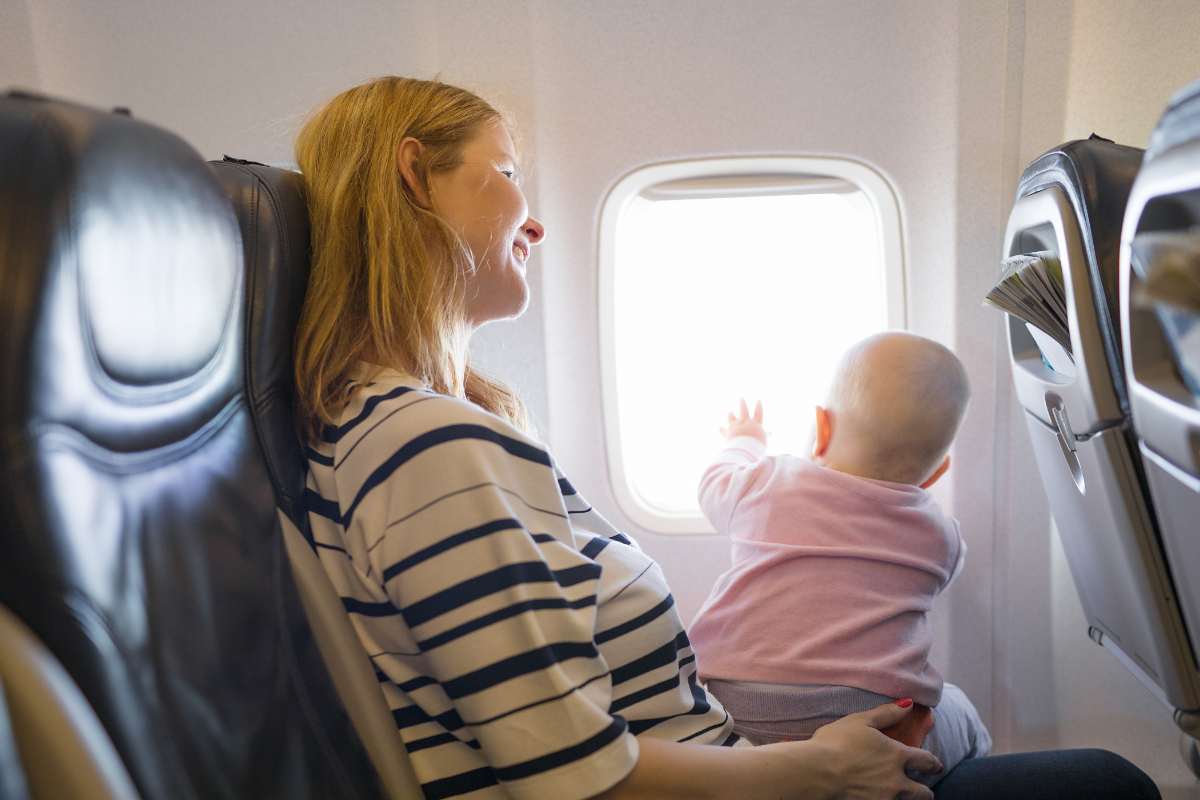
Flying with breast milk requires a little preparation, whether you're carrying freshly expressed milk, refrigerated milk, or frozen milk.
From TSA screening rules to choosing a portable breast milk cooler, understanding the right packing and storage methods helps you prepare for air travel.
This guide covers how to fly with breast milk, including TSA requirements, carry-on packing tips, pumping during flights, and using an insulated breast milk cooler to transport expressed milk.
🧊 1. Can You Bring Breast Milk on a Plane?
Yes — You Can Bring Breast Milk in Any Quantity
TSA classifies breast milk as a medically necessary liquid, which means:
-
You can bring it in any amount
-
You do not need to be traveling with your baby
-
You can bring it frozen, fresh, or partially thawed
This rule includes:
✔ Breast milk
✔ Pumped milk
✔ Formula
✔ Ice packs
✔ Gel packs
✔ Freezer packs
✔ Dry ice (within airline limits)
🛂 2. What to Expect at TSA Security Screening
When you reach security:
Tell the TSA agent: “I’m traveling with breast milk.”
They will ask you to separate your breast milk cooler from the rest of your luggage.
TSA may:
-
X-ray the milk
-
Swab the outside of the containers
-
Visually inspect your cooler
-
Test ice packs
-
Allow dry ice with labeling
They cannot require you to open or taste the milk.
If you prefer no X-ray, you can request an alternate screening method.
🧴 3. How to Pack Breast Milk for Flights (Fresh & Frozen)
Keeping milk safe during travel = the right combination of cooler + ice packs + technique.
Here’s how to maximize temperature retention:
DISONCARE Portable Breast Milk Cooler for Air Travel
The DISONCARE Breast Milk Cooler is designed for portable breast milk storage during flights, workdays, and travel. Its vacuum-insulated stainless steel construction and reusable cooling component help keep expressed breast milk cool during transport.
Key Features:
-
Three Capacity Options: Choose from 9oz, 11oz, and 22oz models for different storage needs.
-
Model-Specific Cooling Performance: Up to 24 hours of tested cooling performance on the 22oz model under specified conditions. Performance varies by model, preparation, and ambient temperature.
-
Travel-Friendly Design: A portable insulated cooler suitable for packing in carry-on luggage, subject to airline baggage requirements.
-
Reusable Cooling Component: Designed to be prepared according to the instructions for the selected model.
-
Breast Milk Storage: Use compatible bottles and follow recommended breast milk storage temperatures and time limits.
For air travel, choose the cooler capacity that matches your milk storage needs and prepare the cooling component before departure.

A. How to Pack Fresh Breast Milk for Air Travel
-
Chill milk in the fridge first
-
Use tightly sealed milk bags or bottles
-
Place milk inside your DISONCARE cooler
-
Surround with frozen ice packs
-
Keep cooler in your carry-on
-
Avoid opening the cooler during travel
Fresh milk kept cold can remain safe for:
-
Up to 24 hours: chilled in cooler
-
Up to 4 days: in a refrigerator
B. How to Pack Frozen Breast Milk for Air Travel
Frozen milk should be packed tightly in a “milk brick” formation.
How to do it:
-
Freeze milk completely solid
-
Lay bags flat and stack tightly
-
Place brick inside a Ziploc for extra leak protection
-
Put brick inside your DISONCARE cooler
-
Surround with ice packs (or dry ice if airline allows)
-
Fill empty space with more cooling packs
Frozen milk can stay frozen 12–24+ hours depending on quantity and cooler quality.
✈️ 4. Should You Put Breast Milk in Carry-On or Checked Bags?
Always in carry-on.
Checked bags are exposed to:
-
Unpredictable temperatures
-
Delays
-
Lost luggage
-
Mishandling
Carrying breast milk in your cooler with you gives you full control.
💺 5. Pumping on the Plane: Yes, You Can!
Air travel doesn’t mean interrupting your pumping schedule.
Here’s how to pump confidently during flights:
Bring the right tools
-
Travel breast pump (wearable or portable)
-
Spare batteries / external battery pack
-
Pumping bra
-
Storage bags
-
Sanitizing wipes
-
Cooler (DISONCARE recommended)
-
Extra ice packs
Where to Pump
-
In your seat (use a blanket or jacket for privacy)
-
In the bathroom (not ideal, but possible)
-
In the airport nursing rooms before boarding
Storing freshly pumped milk
Put pumped milk directly into your cooler with ice packs.
🛄 6. Flying Internationally with Breast Milk
Most countries allow breast milk as a medical liquid—but rules differ.
Tips:
-
Check the airport site for security rules
-
Print TSA and airline policies
-
Pack a backup cooling plan (extra ice packs)
-
Keep translations if traveling to non-English-speaking regions
International return flights may have different screening rules.
🧊7. How Long Can Breast Milk Stay Cold During Travel?
According to CDC breast milk storage guidance:
-
Room Temperature: Freshly expressed breast milk can be stored for up to 4 hours at 77°F (25°C) or colder.
-
Insulated Cooler with Frozen Ice Packs: Up to 24 hours during travel when properly cooled and stored.
-
Refrigerator: Up to 4 days at 40°F (4°C) or colder.
-
Previously Frozen Milk: Once completely thawed in the refrigerator, use within 24 hours. Do not refreeze fully thawed milk.
A properly prepared DISONCARE Breast Milk Cooler provides a portable cooling option during travel. Actual cooling duration depends on the model and conditions. Follow the product instructions and recommended breast milk storage guidelines.
🏨 8. Storage Tips Once You Reach Your Destination
If staying in a hotel:
-
Request a fridge with a freezer
-
If unavailable, ask staff to store it in their kitchen freezer
-
Refresh your cooler ice packs using hotel ice machines
-
Keep a thermometer in your cooler if traveling long-term
🎒 9. Sample Packing Checklist for Flying with Breast Milk
Breast Milk Essentials
-
Milk storage bags
-
Bottles
-
DISONCARE cooler
-
Permanent marker
Pumping Gear
-
Pump + charger or batteries
-
Pumping bra
-
Wipes & sanitizing spray
-
Milk collection cups
Travel Documents
-
Printed TSA breastfeeding rules
-
Airline medical item exemption printout
I can turn this into a downloadable PDF if you’d like.
🎉 Conclusion: You Can Fly with Breast Milk — and You Can Do It Stress-Free
Traveling with breast milk involves planning for airport screening, milk storage, and cooling during transit. Understanding TSA requirements and choosing suitable storage containers can help you prepare for flights.
The DISONCARE Portable Breast Milk Cooler offers 9oz, 11oz, and 22oz capacity options, vacuum-insulated stainless steel construction, and reusable cooling components for breast milk transport.
Explore DISONCARE Breast Milk Coolers to find a portable cooling option for your travel and storage needs. Always follow the instructions for your model and recommended milk storage guidelines.