
Quick Answer
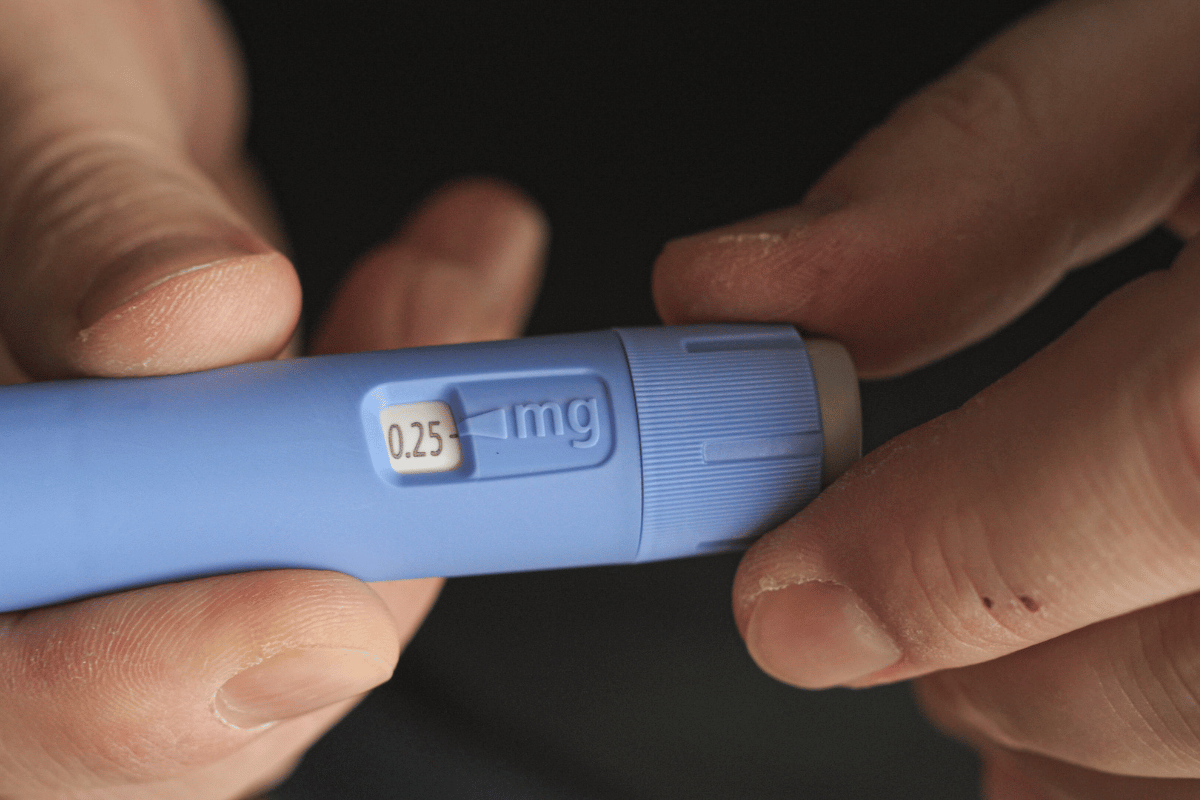
If your insulin, Ozempic, Wegovy, Mounjaro, or other injectable pen felt warm, it may still be safe.
The actual temperature, the exposure time, and the storage instructions determine it.
A pen that feels slightly warm to the touch does not automatically ruin itself. However, “warm” is not a precise measurement. Temperature-sensitive medications can lose effectiveness if exposed to excessive heat, direct sunlight, or freezing temperatures.
If you are unsure, check the medication’s appearance. Review the manufacturer’s storage guidelines. Monitor your blood sugar or treatment response, if applicable. Contact your pharmacist or healthcare provider.

Why This Question Is So Common
Many people carry injectable medication in real life:
- In a handbag
- In a backpack
- During a commute
- At work
- In the car
- Through airport security
- During summer travel
- On vacation
Then at some point, they touch the pen and think:
“It feels warm… but not hot. Is it still okay?”
This is a stressful moment because many injectable medications are expensive, important, and sometimes difficult to replace.
The good news is that slight warmth does not always damage the medication. But it does mean you should pause and evaluate the situation carefully.
Warm vs. Hot: Why Touch Alone Is Not Enough
The biggest problem is that your hand cannot accurately measure the temperature of medication.
A medication pen may feel warm because:
- In your bag, close to your body.
- It sat in a warm room
- Near a window.
- Outside during summer.
- A car contained it for a short time.
- Inside a travel case, it warmed up gradually.
But “warm” can mean vastly different things.
A pen that sits in a 75°F room and feels warm differs greatly from a pen that sits in a 105°F car.
That is why the most important question is not:
“Did it feel warm?”
The better questions are:
- How hot was the environment?
- How long was the pen exposed?
- Was it in direct sunlight?
- Was it inside a hot car?
- Did a cooler protect it?
- Was the medication opened or unopened?
- What does the manufacturer say about storage?
What Temperature Is Usually Too Warm for Medication Pens?
Many insulin and GLP-1 medication pens require refrigeration before first use. Common refrigerated storage ranges are around:
36°F–46°F / 2°C–8°C
After first use, some medications may be allowed at room temperature for a limited time, often below:
77°F–86°F / 25°C–30°C
However, exact rules vary by medication.
For example, insulin storage rules are not the same as Ozempic, Wegovy, Mounjaro, or other GLP-1 medications.
That is why you should always check your specific medication label, prescribing information, or pharmacist guidance.
If the Pen Felt Warm but Not Hot, Is It Ruined?
Not Necessarily
If the pen was only a little warm and stayed within the maker’s room-temperature range, it may still work.
Lower-risk examples include:
- The pen was in your bag during a normal commute
- It sat indoors at room temperature
- It was out of the refrigerator briefly
- It was carried during travel but not exposed to high heat
- It felt slightly warm from being close to your body
In these cases, the medication may still be fine, depending on the product’s instructions.
When a Warm Pen Becomes More Concerning
A warm medication pen becomes more concerning if it was exposed to:
- A hot car
- Direct sunlight
- Outdoor summer heat
- A beach bag
- A backpack during hiking
- A warm airport terminal for many hours
- Checked luggage
- A heater, radiator, or window ledge
These conditions can quickly exceed safe storage ranges.
Even if the pen does not feel “burning hot,” unsafe temperatures may still have exposed the medication inside.
Why Heat Can Be a Problem
Many injectable medications are sensitive to temperature changes.
Excessive heat may reduce medication potency, meaning the medication may not work as expected.
For insulin users, this can be especially important because reduced insulin effectiveness may lead to unexpected high blood sugar.
For GLP-1 users, heat exposure may affect medication quality and treatment reliability.
This is why temperature protection is not just about comfort — it is about preserving medication effectiveness.
What Should You Check First?
If your medication pen feels warm, use this simple checklist.
1. Check the Medication Appearance
Look for changes such as:
- Cloudiness when the medication should be clear
- Particles
- Clumps
- Discoloration
- Crystals
- Unusual texture
- Leaking
- Damaged pen body
If the medication looks different than usual, do not use it. Talk with a pharmacist or healthcare provider first.
2. Think About the Exposure
Ask yourself:
- Was it warm for minutes or hours?
- Was it in direct sun?
- Was it in a hot car?
- Was it in an insulated cooler?
- Was it near an ice pack or frozen pack?
- Could it have frozen?
Heat matters, but freezing can also damage many injectable medications.
3. Review the Medication Instructions
Do not assume all pens follow the same rules.
Insulin, Ozempic, Wegovy, Mounjaro, Zepbound, Trulicity, Victoza, and other injectable medications can have different temperature limits and different room-temperature timelines.
4. Contact a Pharmacist If Unsure
If you cannot confirm the temperature exposure, your pharmacist is often the best first contact.
They can help you decide whether to keep using the pen or replace it.
Can You Put the Pen Back in the Fridge?
Sometimes, yes—but the answer depends on the medication and on whether you exceeded the allowed storage limits.
For many medications, if the pen stayed at a safe room temperature and met the manufacturer’s guidelines, you may refrigerate it.
However, if excessive heat has exposed the medication, refrigeration will not “fix” damage that may already have occurred.
Cooling a damaged medication does not restore lost potency.
Signs the Medication May Not Be Working
Sometimes heat-damaged medication looks normal.
For insulin users, possible warning signs may include:
- Unexpected high blood sugar
- Needing more insulin than usual
- Glucose levels are not responding normally
- Symptoms of hyperglycemia
If you suspect your medication is not working as expected, contact your healthcare provider promptly.
For non-insulin injectable medicines, talk to your healthcare provider if you are not sure a dose is still safe to use.
Common Situations Where Pens Feel Warm
The Pen Was in a Backpack
A backpack can warm up quickly in the sun, especially if it is dark-colored or carried outdoors for hours.
The Pen Was in a Car
Cars can become dangerously hot, even when the weather feels mild. Do not leave medication in a parked vehicle.
The Pen Was in a Handbag
A handbag may be fine indoors, but it can get too warm in direct sunlight, near a window, or in a hot car.
The Pen Was in the checked luggage
Checked luggage can be exposed to temperature extremes. Temperature-sensitive medication should usually stay in your carry-on bag.
The Pen Was Near an Ice Pack
Cold protection is helpful, but medication should not sit directly against frozen packs if there is a risk of freezing.

How DISONCARE Helps Prevent This Problem
The moment of uncertainty — “my pen felt warm but not hot” — is what DISONCARE medication coolers help prevent.
DISONCARE coolers help protect temperature-sensitive medication from everyday heat exposure during:
- Work
- School
- Daily errands
- Flights
- Road trips
- Outdoor activities
- Summer travel
- Long commutes
Instead of placing your medication pen loosely in a bag, a dedicated cooler keeps it stable and protected.
DISONCARE Compact Coolers for Daily Carry
For daily use, a compact DISONCARE cooler is ideal when you only carry one or a few medication pens.
Best For
- Workdays
- Lunch plans
- Commuting
- Short errands
- Restaurant outings
- Every day, insulin or GLP-1 carries
A compact cooler helps your medication stay protected without making your routine feel complicated or overly medical.
DISONCARE Hard-Shell Coolers for Travel
For travel, DISONCARE hard-shell coolers offer more structure and protection.
Best For
- Flights
- Weekend trips
- Business travel
- Road trips
- Hot-weather vacations
- Carrying backup pens
A hard-shell cooler is useful when your medication may spend hours in a bag, airport, taxi, train, or hotel. It can keep it safe until it reaches a refrigerator.
DISONCARE Coolers with Temperature Displays
For users who want extra peace of mind, DISONCARE temperature-display models help.
You can check the cooler’s temperature at a glance.
This helps reduce guesswork.
Instead of wondering if the pen is too warm, you can check its temperature directly. This helps you avoid opening the cooler again and again.
This is especially helpful for:
- Long flights
- Summer travel
- Expensive medication
- GLP-1 pens during shortages
- Users who feel anxious about medication temperature
What To Do Next Time
To avoid the “warm pen” worry in the future:
Use a Medication Cooler
Do not rely on a regular handbag, backpack, or suitcase for temperature protection.
Keep Medication Out of Direct Sunlight
Even short sun exposure can heat a pen quickly.
Avoid Cars
Never leave insulin or GLP-1 pens inside a parked vehicle.
Carry Medication Onboard
When flying, keep medication in your carry-on bag rather than checked luggage.
Use Temperature Visibility When Possible
A temperature display can help you know what is happening inside your cooler.
Frequently Asked Questions
Is a medication pen still safe if it feels warm?
Possibly. If it stayed within the manufacturer’s allowed temperature range, it may still be safe. But if high heat, direct sunlight, or a hot car exposes it, contact your pharmacist.
Does warmth mean the pen has become ruined?
No. Warm does not automatically mean ruined. The actual temperature and exposure time matter more than how the pen feels.
Can I still use insulin that felt warm?
Maybe, but check the insulin’s appearance. Review storage guidelines. Monitor blood sugar carefully. Contact your pharmacist if you are unsure.
Can I still use Ozempic if the pen feels warm?
Possibly, if it did not exceed the allowed temperature range. Always follow the manufacturer’s storage instructions and ask a pharmacist if you are unsure.
Should I throw the pen away?
Do not throw it away right away unless the medication looks clearly abnormal. Discard it if your pharmacist tells you to. First, evaluate the exposure and seek professional guidance.
Can a DISONCARE cooler prevent this?
A DISONCARE cooler can help reduce overheating risk by keeping your medication cool and protected at home or travel.
Key Takeaways
A medication pen that felt warm but not hot is not automatically unsafe.
Touch alone is not a reliable way to judge medication safety.
The real risk depends on temperature, exposure time, sunlight, storage conditions, and medication type.
If you exposed the pen to extreme heat, direct sunlight, or a hot car, speak with your pharmacist before using it.
DISONCARE medication coolers help prevent uncertainty by protecting insulin, GLP-1 pens, and other temperature-sensitive injectables during real-life travel and daily routines.
Final Thoughts
Feeling a warm medication pen in your bag can be stressful.
But the most important thing is not to panic.
Instead, ask the right questions:
- How warm was the environment?
- How long was the pen exposed?
- Was it protected?
- Does the medication look normal?
- What does the manufacturer recommend?
And for the future, consider using a dedicated DISONCARE medication cooler. It can help reduce the risk of heat exposure.
Because when temperature affects your medication, knowing you protect it always feels more reassuring than guessing.
References
- U.S. Food & Drug Administration — Insulin Storage and Temperature Exposure Guidance
- American Diabetes Association — Insulin Storage and Syringe Safety
- Transportation Security Administration — Insulin and Medication Travel Rules
- Novo Nordisk Medical Information — GLP-1 Storage and Stability
- DailyMed / FDA Labeling — Ozempic Storage Information
