
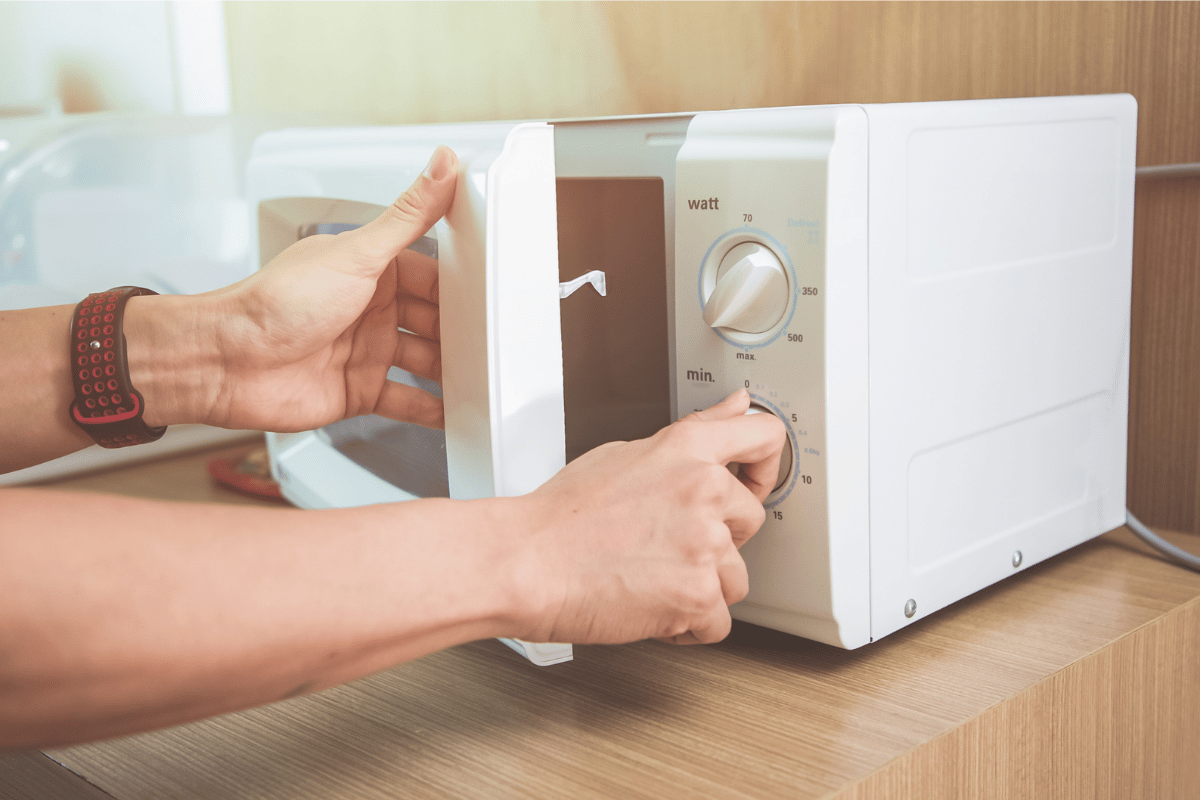
Når din baby er sulten, og tiden føles knap, er det naturligt at lede efter den hurtigste måde at varme flasken på. Mikrobølgeovnen er ofte det første, jeg tænker på.
Men når det gælder modermælk, tøver mange forældre og spørger:
Kan man varme modermælk i mikroovnen?
Det korte svar er Nej—det anbefales ikke. Selvom det kan virke praktisk, kan mikrobølge af modermælk skabe risici, som ikke altid er synlige ved første øjekast.
Denne guide forklarer hvorfor, og viser dig sikrere og mere pålidelige måder at varme modermælk på uden at gå på kompromis med dens kvalitet.
Hvorfor du ikke bør mikrobølge modermælk
Mikrobølge af modermælk anbefales ikke af sundhedseksperter af flere vigtige grunde.
1. Ujævn opvarmning (varme områder)
Mikrobølger opvarmer væsker ujævnt og skaber Hotspots Det kan brænde din babys mund—selvom flasken kun føles varm udenpå.
2. Næringsskade
Modermælk indeholder sarte næringsstoffer, antistoffer og enzymer, der understøtter dit barns immunsystem. Høj varme kan ødelægge nogle af disse gavnlige komponenter.
3. Risiko for overophedning
Mikrobølgeovne kan hurtigt overophede mælk ud over sikre temperaturer uden åbenlyse advarselstegn.
Ifølge organisationer som CDC og AAP, Blide opvarmningsmetoder anbefales kraftigt instead.
Hvad anbefaler eksperterne?
Sundhedsmyndigheder såsom Centers for Disease Control and Prevention (CDC) og Amerikanske Akademi for Pædiatri (AAP) Rådgiv dig frarådet at bruge mikrobølgeovne til opvarmning af modermælk.
I stedet anbefaler de kontrollerede, gradvise opvarmningsmetoder, der bevarer både sikkerhed og ernæring.
Sikre måder at varme modermælk på
1. Varmt vandbad (bedste metode)
Sæt flasken i en beholder med varmt (ikke kogende) vand i et par minutter.
Hvorfor det virker:
- Jævn, blid opvarmning
- Bevarer næringsstoffer
- Lav risiko for overophedning
2. Flaskevarmer
Elektriske flaskevarmere er specielt designet til sikker og ensartet opvarmning.
Benefits:
- Let at bruge
- Temperature-controlled
- Ideel til natlig fodring
3. Løbende varmt vand
Hold flasken under varmt postevand og drej den langsomt.
Bedst til:
- Hurtig opvarmning
- Små mængder mælk
Tips til at varme modermælk sikkert op
- Kog aldrig modermælk
- Hvirvl forsigtigt (ryst ikke) for at blande temperaturen jævnt
- Testtemperatur på håndleddet før fodring
- Brug opvarmet mælk indendørs 2 timer
Hvad med mælk, der opbevares i en køleboks?
Hvis du rejser eller pumper på farten, opbevares din mælk ofte i en køleboks.
For eksempel systemer som DISONCARE modermælkskøler er designet til at holde mælk ved sikre temperaturer (≤8°C) i længere perioder ved brug af vakuumisolering og en indbygget kølegelkerne.
Når du er klar til at bruge mælken:
- Tag den ud af køleboksen
- Varm det gradvist op med en af de sikre metoder ovenfor
Undgå fristelsen til at varme i mikroovnen – selv når du har travlt.
Almindelige fejl at undgå
- Brug af mikrobølgeovn for bekvemmelighed
- Varme mælk for hurtigt op
- Glemmer at blande mælk efter opvarmning
- Ikke at tjekke temperaturen før fodring
Den følelsesmæssige side af fodringsbeslutninger
Når din baby græder, og du er træt, betyder bekvemmelighed noget. Det er helt forståeligt, hvorfor mikrobølge kan føles som den nemmeste løsning.
Men små valg – som hvordan du varmer mælken – kan gøre en stor forskel for sikkerhed og ernæring.
At have en simpel og pålidelig rutine hjælper med at reducere stress og giver dig selvtillid i de daglige øjeblikke.
Ofte stillede spørgsmål
Kan jeg varme modermælk i mikroovnen i et par sekunder?
Nej. Selv korte perioder kan skabe farlige hotspots og ujævn opvarmning.
Ødelægger mikrobølgeovn næringsstoffer i modermælken?
Det kan reducere nogle gavnlige komponenter, især hvis det er overophedet.
Kan jeg i stedet mikrobølge modermælkserstatning?
Mikrobølgeformage anbefales heller ikke af samme grunde – ujævn opvarmning og risiko for forbrænding.
Hvor lang tid tager det at varme modermælken sikkert op?
Usually 5–10 minutter Ved at bruge metoder til varmt vand.
Kan jeg varme modermælk op to gange?
Det er bedst ikke at gøre det. Gentagen opvarmning øger risikoen for bakterievækst.
Vigtige pointer
- Lad være med at mikrobølge modermælk
- Brug blide opvarmningsmetoder som varmt vand eller flaskevarmere
- Test altid temperaturen før fodring
- Korrekt opbevaring og opvarmning arbejder sammen for sikker fodring
References
- Centers for Disease Control and Prevention (CDC). Korrekt opbevaring og tilberedning af modermælk
- Amerikanske Akademi for Pædiatri (AAP). Ammeretningslinjer
- Verdenssundhedsorganisationen (WHO). Anbefalinger til spædbarnsfodring
- Amerikansk mad & Lægemiddeladministrationen (FDA). Sikkerhed ved spædbarnsfodring
- La Leche League International. Håndtering og opvarmning af modermælk