
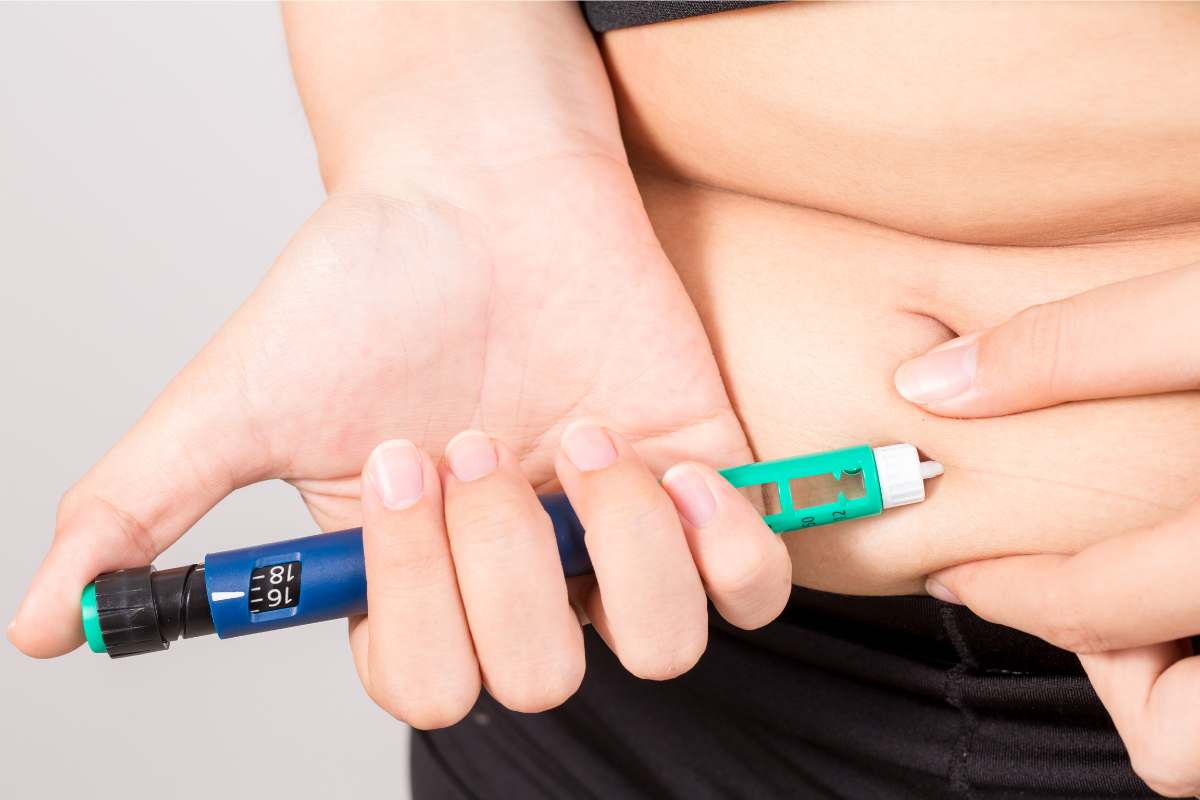
Hvis du bruger insulin til at håndtere diabetes, kan du bemærke, at din insulin nogle gange ser overskyet ud. Dette kan vække bekymringer om sikkerheden og effektiviteten.
Den gode nyhed er, at Uklarhed er normalt for visse insulintyper, men der er også tegn på, hvornår uklar insulin bør ikke blive brugt. At forstå denne forskel er nøglen til at holde dit blodsukker under kontrol.
Forståelse af insulintyper og udseende
Insulin findes i forskellige formuleringer:
-
Hurtigtvirkende eller langtidsvirkende insulin: Usually clear
-
Mellemvirkende insulin (f.eks. NPH): Normally cloudy
-
Forblandet insulin (f.eks. NPH + almindelig): Uklar på grund af blandede ingredienser
Uklarhed i disse insuliner er expected og gør ikke reducere effektiviteten når det håndteres korrekt.
Når uklar insulin er sikker at bruge
Uklar insulin er sikkert, hvis:
-
Det er en Typen, der burde være uklar.
-
Det har det været blidt rullet eller inverteret at blande jævnt.
-
Det er det inden for udløbsdatoen.
-
Det har det været opbevaret korrekt, typisk i et køleskab til uåbnet insulin.
Blandingsinstruktioner:
-
Rul forsigtigt hætteglasset mellem hænderne eller vend pennen flere gange, indtil den er jævnt blandet.
-
Undgå kraftig rystning, da det kan skabe bobler og nedbryde insulinet.
Hvornår bør man undgå at bruge insulin
Do ikke bruge insulin if:
-
Det er det Det skulle være klart men virker uklar eller misfarvet.
-
Du lægger mærke til det klumper, partikler eller krystaller der ikke opløses.
-
Insulinen har en Dårlig lugt.
-
Det er det expired eller opbevaret forkert (f.eks. frosset eller overophedet).
Brug af nedbrudt insulin kan føre til dårlig blodsukkerkontrol og nedsat effektivitet.
Tips til insulinopbevaring
-
Uåbnet insulin: Sæt den i køleskab ved 2–8°C (36–46°F).
-
Penne eller hætteglas i brug: Kan opbevares ved stuetemperatur op til 28 dage (se producentens anvisninger).
-
Undgå frysning eller høj varme, som kan skade insulin.
-
Brug bærbare insulinkølere Når du rejser for at opretholde en sikker temperatur.
Hvordan DISONCARE hjælper med at holde insulin sikkert
For travle eller rejsende patienter, DISONCARE insulinkølere provide:
-
Temperaturkontrolleret opbevaring af insulinpenne og -hætteglas
-
Beskyttelse mod varme eller utilsigtet frost
-
Bekvem organisering til daglig brug eller rejse
Brug af en DISONCARE-køler sikrer, at din insulin forbliver effektiv, sikker og klar, når du har brug for det.

Vigtige pointer
-
Uklar insulin kan være normalt for NPH eller præblandede typer.
-
Rør forsigtigt før injektion; ryst aldrig kraftigt.
-
Brug ikke insulin Hvis den har partikler, usædvanlig farve eller dårlig lugt.
-
Opbevar ordentligt og betragt en DISONCARE-køler til rejser eller daglig bekvemmelighed.
Korrekt håndtering af insulin sikrer Effektiv blodsukkerstyring og sikker diabetesbehandling.