
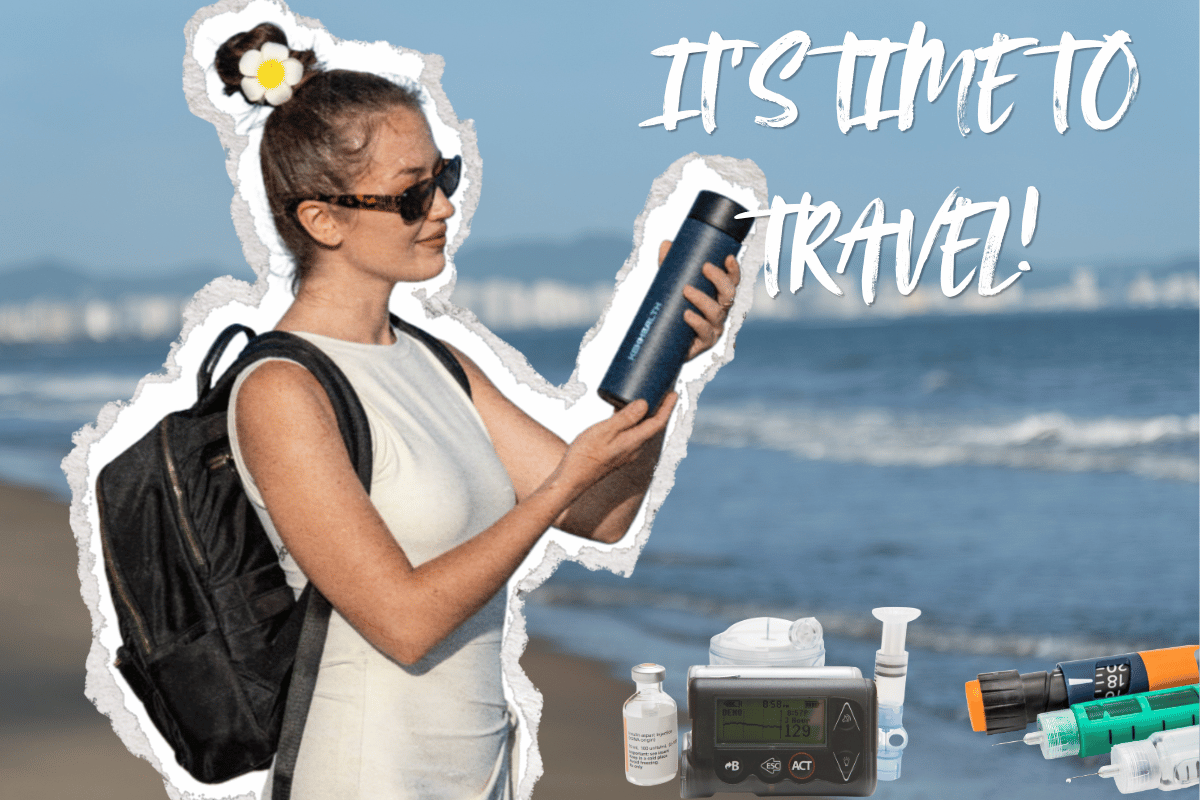
Hvis du lever med diabetes, ved du allerede: insulin er følsomt, pålidelig opbevaring er ikke til forhandling, og at være på farten sætter ikke din sundhedsrutine på pause. Uanset om du skal på arbejde, ordner ærinder, tager på roadtrip eller flyver tværs over landet, kan det føles som endnu en ting at stresse over at holde insulin på en sikker, stabil temperatur.
Men det behøver det ikke at være.
En højkvalitets insulinkøler til diabetikere fjerner gætteriet omkring insulinlagring, så du kan fokusere på at leve dit liv – uden konstant at tjekke temperaturen eller bekymre dig om fordærvet medicin. I denne guide gennemgår vi alt, hvad du behøver at vide om insulinkølere, hvordan du vælger den rigtige til din livsstil, og hvorfor en dedikeret rejsetaske altid slår almindelige kølere.
Hvorfor insulin kræver særlig køling & Beskyttelse
Insulin er et skrøbeligt hormon. Eksponering for ekstrem varme, direkte sollys eller frostgrader kan gøre den næsten øjeblikkelig ineffektiv. Selv konstante temperaturudsving – fra kold aircondition til varm udendørs varme gentagne gange – kan skade dens styrke.
Derhjemme holder køleskabet din insulin sikker. Men når du forlader huset:
- Biler bliver varme op til farlige temperaturer på få minutter
- Flyets fragtrum fryser eller overopheder
- Forsinkelser, lange møder og uventede planer efterlader dig uden køling
- Almindelige madpakker og generiske kølebokse kan ikke opretholde stabile temperaturer
En dedikeret insulinkøler dækker dette hul. Den opbevarer uåbnede penne og flasker sikkert inden for det anbefalede område mellem 2°C og 8 °C, ligesom dit køleskab derhjemme, så din insulin forbliver effektiv, når du har mest brug for det.
Relateret læsning: Hvor længe forbliver insulin sikkert i en køleboks til rejse?
Temperaturstabilitet er den #1 egenskab, man skal kigge efter
Når du køber en insulinkøler til diabetiker, Temperaturkonsistens er den vigtigste faktor. En taske, der føles kold i en time, er ikke nok. Du har brug for en køleboks, der holder en stabil, sikker temperatur i timer – eller endda dage – uanset miljøet.
Kølere af høj kvalitet i til temperaturfølsom medicin bruger tyk, isoleret foring, højtydende ispakninger og lufttæt forsegling for at forhindre varm luft i at trænge ind. Dette beskytter din insulin under sikkerhedskontroller, når du går udenfor, eller under lange ventetider, hvor du ikke kan få adgang til et køleskab.
Almindelige isolerede tasker er simpelthen ikke designet til dette niveau af præcision. De mister kulde hurtigt, forårsager temperaturudsving og udsætter din insulin for unødvendig risiko. For alle, der er afhængige af insulin for at holde sig sunde, er en medicinsk køleboks altid investeringen værd.
Størrelse & Bærbarhed: Match din køler til din livsstil
Én størrelse passer IKKE til alle, når det gælder insulinkølere. Det bedste valg afhænger af, hvor meget insulin du bærer med, hvor du skal hen, og hvordan du foretrækker at rejse.
- Daglig brug: Kompakte, slanke etuier, der passer i en taske, rygsæk eller lomme. Ideel til arbejde, skole eller hurtige ærinder.
- Dagsture & Udflugter: Mellemstore kølebokse, der rummer flere kuglepenne, hætteglas, alkoholpuder og små forsyninger.
- Rejser & Flyvninger: Større, egnet til TSA-kontrol kabinetter med langvarig køling til rejser tværs over landet eller internationalt.
- Roadtrips: Bærbare minikøleskabe, der kan tilsluttes bilens cigaretlighter eller USB-port.
Overdimensionerede kølebokse bliver tunge og klodsede, mens små kasser måske ikke rummer alle dine forsyninger. Fokuser på det, du faktisk har brug for til daglig—ikke på det, der ser størst ud.
Relateret læsning: Sådan bygger du det perfekte diabeteskit til at tage på farten
egnet til TSA-kontrol insulinkølere til stressfri flyrejse
At flyve med diabetes tilføjer ekstra lag af planlægning, men det behøver ikke være stressende. Her er det, der betyder mest:
- Hav altid insulin i din håndbagage—aldrig indtjekket bagage.
- Insulin, sprøjter, penne og medicinske kølebokse er undtaget fra TSA's væskegrænser.
- Oplys din medicin og køleboks til sikkerheden for hurtigere screening.
En TSA-kompatibel insulinkøler er designet til at passe under sæder eller i bagagehylde over bagagerummet, åbner let til inspektion og holder insulinet koldt gennem lange flyvninger, mellemlandinger og uventede forsinkelser. Du behøver ikke at stole på is i lufthavnen, hjælp fra stewardesse eller usikker køleskab i køkkenet.
Relateret læsning: TSA-regler for at flyve med insulin: Hvad enhver diabetiker bør vide
insulinkølere til bilture & Varme klimaer
Biler er et af de farligste steder for insulin. På varme dage kan indendørstemperaturerne stige over 120°F på under 15 minutter – varmt nok til hurtigt at ødelægge insulin.
En holdbar insulinkøler forhindrer katastrofer. Mange rejsevenlige modeller:
- Sæt tilslutning til bilopladere for konstant køling
- Brug langtidsholdbare ispakker til 12–24+ timers kulde
- Modstå varmeabsorption selv i direkte sollys
- Sæt sikkert i kopholdere eller midterkonsoller
Uanset om du kører lokalt eller tværs over landet, holder den rigtige køler din insulin sikker uden konstante stop eller kontroller.
Holdbarhed & Lækagebeskyttelse er essentiel
Rejser og dagligdagen er hårdt for taskerne. De bliver tabt, kastet, klemt og udsat for spild. Din insulinkøler skal følge med:
- Robust, vandafvisende yderside
- Lækagesikker indvendig foring
- Stærke lynlåse, der ikke sætter sig fast
- Let-at-rengørlige overflader
Utilsigtede lækager fra ispakninger eller beskadigede insulinflasker kan ødelægge forsyninger og skabe stress. En velbygget diabetisk insulinkøler forhindrer rod og beskytter dine vigtigste medicinske forsyninger.
Let at bruge = mindre stress hver dag
De bedste insulinkølere er simple og intuitive. Når du har travlt, er på arbejde eller rejser, har du ikke tid til komplicerede opsætninger eller svære tasker at åbne.
Se efter funktioner som:
- Hurtigadgangsrum
- Forudfrysbare, genanvendelige ispakker
- Letvægtsdesign
- Fleksibelt interiør til kuglepenne, hætteglas og sprøjter
Funktionalitet frem for smarte detaljer holder din rutine glidende og stressfri.
Har du virkelig brug for en dedikeret insulinkøler?
Hvis du tager hjemmefra med insulin – selv bare i et par timer – ja.
Forsinkelser sker. Vejret ændrer sig. Planerne trækker ud. En dedikeret køleboks er ikke kun til "store ture." Det er for daglig sindsro. Selv korte ture kan blive til lange dage, og varmen kan komme uventet.
En kvalitetsinsulinkøler beskytter dig mod det uventede, så du aldrig behøver at risikere at bruge kompromitteret insulin.
Ofte stillede spørgsmål om diabetiske insulinkølere
Kan jeg tage en insulinkøler med på flyet?
Absolut. insulinkølere er tilladt gennem TSA's sikkerhed, og ispakninger er undtaget for væskerestriktioner, når de bruges til medicinske formål. Hav altid din køletaske i håndbagagen.
Hvor længe holder insulinkølere sig kolde?
Medicinske kølere af høj kvalitet forbliver kolde imellem 8 og 48+ timer, afhængigt af isolering, ispakninger og miljøtemperatur.
Kan jeg bruge en almindelig madkasse til insulin?
Til ekstremt korte ture kan det virke praktisk—men madkasser mangler stabil temperaturkontrol og udsætter dit insulin for risiko. En medicinkøler er altid sikrere.
Har insulinkølere brug for elektricitet?
De fleste rejsekølere bruger ispakninger og kræver ingen strøm, hvilket gør dem perfekte til flyvninger. Nogle plug-in modeller fungerer som mini-køleskabe til biler eller hoteller.
Vil lufthavnssikkerheden åbne min insulinkøler?
De kan inspicere den, men en organiseret, let at åbne sag gør processen hurtig og enkel. Insulin er fuldt tilladt til flyrejser.
Kan jeg bruge en insulinkøler i varmt vejr?
Ja. Medicinsk isolering fungerer langt bedre end generiske poser ved høje temperaturer og holder insulinet inden for sikre grænser, selv i varme klimaer.
Hvordan rengør jeg min insulinkøler?
De fleste kølere kan nemt tørres af med mild sæbe og vand. Glatte, vandtætte interiører gør rengøringen på farten enkel.
Vigtige pointer
En god diabetisk insulinkøler gør mere end blot at lagre insulin – den giver dig frihed. Frihed til at rejse, arbejde, ordne ærinder og nyde livet uden konstant at bekymre sig om temperaturkontrol eller fordærvet medicin.
Når du vælger din køler, skal du prioritere temperaturstabilitet, bærbarhed, holdbarhed og brugervenlighed. Den rette køler passer sømløst ind i din livsstil og holder din insulin sikker, uanset hvor livet fører dig hen.
💬 Vi vil meget gerne høre fra dig
Hvad er dit bedste tip til at rejse med insulin? Foretrækker du en kompakt daglig køletaske eller en kraftig rejsetaske? Del dine tanker, spørgsmål eller yndlingstips nedenfor – din erfaring hjælper andre diabetikere med at føle sig mere selvsikre på farten. 💛