
Hurtigt svar
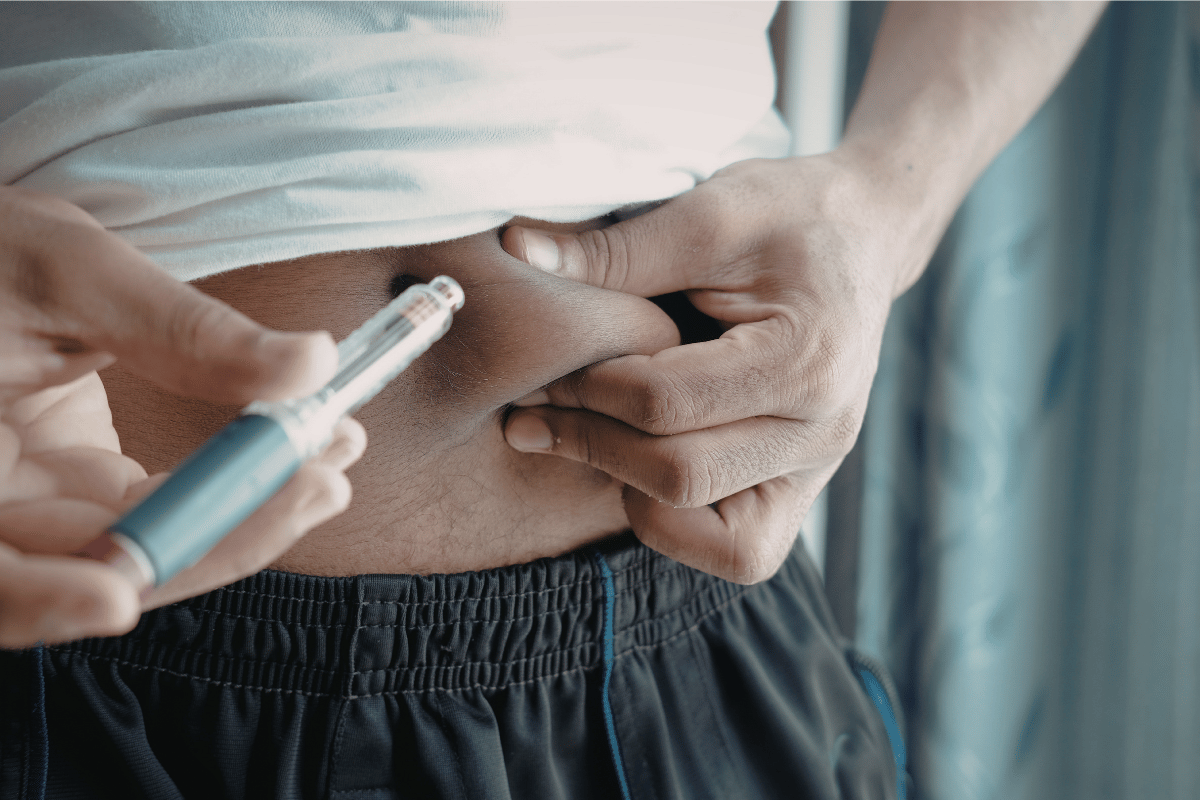
Ja — GLP-1-medicin og insulin har nogle vigtige forskelle i opbevaring, transport, dosering og håndtering. Selvom begge er injicerbare og temperaturfølsomme, adskiller GLP-1-medicin som Ozempic, Wegovy og Mounjaro sig fra insulin. De har ofte forskellige rumtemperaturgrænser, doseringsplaner og kølebehov.
Dog kræver begge medicintyper stadig korrekt temperaturbeskyttelse under rejse og daglig brug – især i varme omgivelser.
Efterhånden som GLP-1-medicin bliver mere populær verden over, undrer mange rejsende og patienter sig:
"Følger GLP-1-medicin de samme regler som insulin?"
Svaret er:
Nogle gange ja — men ikke altid.
I denne guide forklarer vi:
- Forskellene mellem GLP-1-medicin og insulin
- Regler for opbevaring og køling
- Rejsevejledninger og TSA-overvejelser
- Hvorfor GLP-1-medicin stadig er temperaturfølsomme
- Almindelige fejl, folk begår med GLP-1 lagring
- Hvordan DISONCARE medicinkølere hjælper med at beskytte både insulin og GLP-1 medicin
Hvad er GLP-1-medicin?
GLP-1 receptoragonister er injicerbare lægemidler, der bruges til at hjælpe med at regulere:
- Blodsukker
- Appetite
- Digestion
- Vægtkontrol
Populære GLP-1-lægemidler inkluderer:
- Ozempic
- Wegovy
- Mounjaro
- Zepbound
- Trulicity
- Victoza
- Saxenda
Mange ordineres til:
✅ Type 2-diabetes
✅ Vægtkontrol
✅ Metaboliske helbredstilstande
Hvad er insulin?
Insulin er en hormonbehandling, der bruges til at kontrollere blodsukkerniveauet.
I modsætning til GLP-1-medicin sænker insulin direkte blodsukkeret ved at hjælpe kroppen med at flytte sukker ind i cellerne for energi.
Insulin er essentielt for:
- Type 1-diabetes
- Mange patienter med type 2-diabetes
- Nogle tilfælde af graviditetsdiabetes
Er GLP-1 opbevaringsregler anderledes end insulin?
Ja — Nogle gange
En af de største forskelle er:
Retningslinjer for temperaturlagring
Regler for insulinopbevaring
De fleste uåbnede insuliner bør opbevares i køleskab mellem:
2°C–8°C (36°F–46°F)
Efter åbning kan mange insulinprodukter forblive ved stuetemperatur under:
25°C–30°C (77°F–86°F)
i cirka 28 dage, afhængigt af insulintypen. [1]
GLP-1 Regler for medicinopbevaring
| Medication | Rumtemperaturkvote |
|---|---|
| Ozempic | Op til 56 dage under 30°C (86°F) |
| Wegovy | Op til 28 dage under 30°C (86°F) |
| Mounjaro | Op til 21 dage under 30°C (86°F) |
Mange GLP-1-medicin kræver også køling før første brug.
Dog varierer reglerne for stuetemperatur betydeligt mellem medicin.
Følg altid producentens instruktioner for din specifikke medicin. [2]
Væsentlig forskel: GLP-1-reglerne er mindre universelle
I modsætning til insulin indeholder GLP-1-medicin ofte:
- Forskellige stabilitetsvinduer
- Forskellige rumtemperaturkvoter
- Forskellige rejseanbefalinger
Dette forvirrer mange rejsende og patienter.
Er TSA-reglerne forskellige for GLP-1 i forhold til insulin?
Ikke rigtigt
The Transportsikkerhedsadministrationen (TSA) behandler generelt både insulin og GLP-1-medicin som medicinsk nødvendige injektionsmidler. [3]
Passagerer må medbringe:
✅ Injicerbar medicin
✅ Penne og sprøjter
✅ Nåle
✅ Ispakninger og gelpakker
✅ Medicinske kølebokse
✅ Skarpe beholdere
På fly.
TSA-tips til rejse med GLP-1-medicin
For at gøre lufthavnsscreening lettere:
- Hold medicinen mærket
- Medbring original emballage, når det er muligt
- Medbring recepter under international rejse
- Informer TSA-medarbejdere før screening
- Opbevar medicin i håndbagage
Håndbagage vs. indchecket bagage
Brug altid håndbagage
Denne regel gælder for BÅDE insulin og GLP-1 medicin.
Why?
Indtjekket bagage kan opleve:
⚠️ Frostgrader
⚠️ Overdreven varme
⚠️ Forsinkelser eller mistet bagage
⚠️ Ukontrollerede temperaturudsving
At have medicin i din håndbagage giver bedre beskyttelse og nemmere adgang.
Skal GLP-1-medicin køles ned under rejsen?
Ofte ja
Selv hvis din medicin midlertidigt kan blive ved stuetemperatur, kan rejseforholdene stadig blive usikre.
Almindelige rejserisici inkluderer:
☀️ Varme biler
✈️ Lufthavnsforsinkelser
🏖️ Sommerferier
🎒 Udendørsaktiviteter
🔥 Hedebølger
Temperaturerne kan let overstige:
30°C (86°F)
hvilket kan skade medicinens effektivitet.
Almindelige fejl folk begår med GLP-1-medicin
Fordi GLP-1-medicin nogle gange tåler stuetemperatur længere end insulin, antager nogle, at de ikke behøver beskyttelse.
Dette kan føre til fejl som:
🚗 Efterlader medicin i en varm bil
☀️ At bære medicin i direkte sollys
🎒 Rejse uden kølebeskyttelse
✈️ Pakning af medicin i indtjekket bagage
Selv medicin med stuetemperatur-kvoter kan stadig blive beskadiget af ekstrem varme.

Hvordan DISONCARE hjælper med at beskytte både GLP-1-medicin og insulin
DISONCARE medicinske kølere er designet til temperaturfølsomme injektionsmedicin, herunder:
- Insulin
- Ozempic
- Wegovy
- Mounjaro
- Zepbound
- Trulicity
- Victoza
og mange andre injektionsbehandlinger.
DISONCARE bærbare medicinske kølere
Pålidelig køling til rejser og dagligdag
DISONCARE bærbare kølere hjælper med at opretholde sikrere opbevaringstemperaturer under:
- Flights
- Vacations
- Roadtrips
- Udendørsaktiviteter
- Daglig pendling
- Sommervejr
Nøglefunktioner
✅ egnet til TSA-kontrol til flyvninger
✅ Bærbar og let
✅ Pålidelig temperaturbeskyttelse
✅ Kompakt og rejsevenligt design
✅ Beskyttelse mod varmeeksponering
Uanset om du bruger insulin eller GLP-1-medicin, betyder temperaturbeskyttelse noget.
DISONCARE kompakte kølekasser
Let daglig beskyttelse
Til kortere ture og daglig brug tilbyder DISONCARE kompakte kølekabinetter praktisk varmebeskyttelse til injektionsmedicin.
Perfekt til:
- Work
- School
- Daglige ærinder
- Fitnesssessioner
- Weekendrejser
Disse lette køletasker passer nemt i rygsække, tasker og håndbagage.
Hvorfor korrekt opbevaring af medicin er vigtig
Både insulin og GLP-1-medicin kan miste effektivitet, hvis de udsættes for for høj varme eller frysepunkter.
Beskadiget medicin kan føre til:
⚠️ Dårlig blodsukkerkontrol
⚠️ Nedsat medicineffektivitet
⚠️ Spildte medicinudgifter
⚠️ Afbrudte behandlingsplaner
Efterhånden som GLP-1-medicin bliver dyrere og sværere at erstatte under mangel, bliver det endnu vigtigere at beskytte dem.
Ofte stillede spørgsmål
Opbevares GLP-1-medicin i køleskab ligesom insulin?
Normalt ja, før første brug, men reglerne for stuetemperatur varierer afhængigt af medicinen.
Kan jeg rejse med Ozempic og insulin sammen?
Ja. Mange rejser med begge mediciner og bruger en medicinkøler til sikker opbevaring.
Er TSA-reglerne anderledes for Ozempic end insulin?
Nej. Begge behandles generelt som medicinsk nødvendige injektionsmidler.
Kan varme ødelægge GLP-1-medicin?
Ja. Overdreven varme kan nedsætte medicinens effektivitet og sikkerhed.
Vigtige pointer
📌 GLP-1-medicin og insulin deler mange regler for rejse og opbevaring, men der er vigtige forskelle.
📌 Rumtemperaturkvoter varierer betydeligt mellem GLP-1-medicin.
📌 Både insulin og GLP-1-medicin bør beskyttes mod overdreven varme og frysning.
📌 TSA tillader generelt begge medicintyper ombord på fly med køletilbehør.
📌 DISONCARE medicinkølere hjælper med sikkert transport af insulin og GLP-1-medicin under rejser og dagligdag.
Afsluttende tanker
Selvom GLP-1-medicin og insulin kan virke ens, er deres opbevarings- og håndteringsregler ikke altid identiske.
Forskellige mediciner har forskellige:
- Kølekrav
- Stuetemperaturgrænser
- Stabilitetsretningslinjer
At forstå disse forskelle kan hjælpe med at beskytte medicinens effektivitet og undgå dyre fejl.
Uanset om du har insulin, Ozempic, Wegovy, Mounjaro eller andre injicerbare lægemidler, holder DISONCARE medicinske kølere dem på en sikker temperatur. Designere laver dem til moderne rejser og daglig brug.
For at beskytte din medicin betyder at beskytte dit helbred.
References
[1] Amerikansk Diabetesforening. Sikker insulinopbevaring.
[2] Novo Nordisk & Eli Lilly Ordination af GLP-1-medicin
https://www.novonordisk-us.com
[3] Transportsikkerhedsadministrationen (TSA). Rejser med medicin.
https://www.tsa.gov/travel/special-procedures
[4] Amerikansk mad & Lægemiddeladministrationen (FDA). Sikker opbevaring af medicin.
💬 Vi vil meget gerne høre fra dig!
Har du rejst med GLP-1 medicin eller insulin før? Hvilke opbevarings- eller kølestrategier fungerer bedst for dig?
Del dine erfaringer og tips til at hjælpe andre med sikkert at håndtere temperaturfølsomme medicin under rejser.