
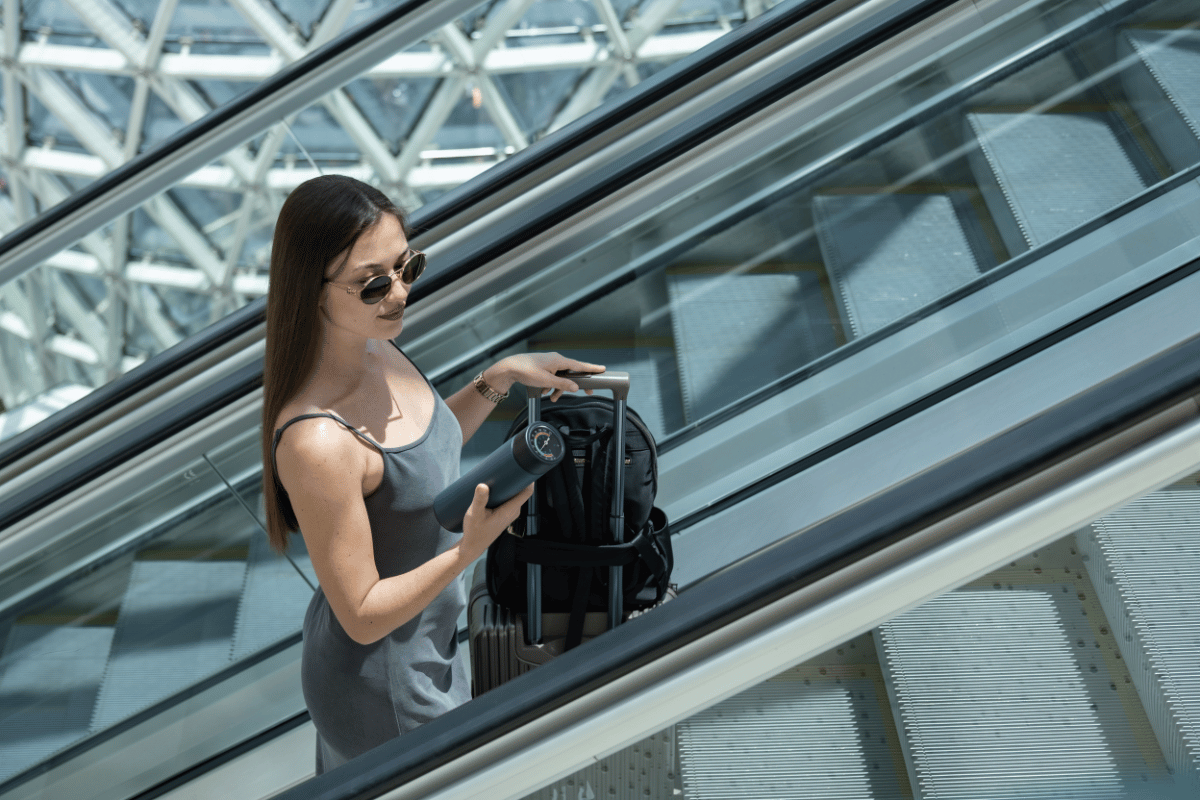
Dürfen Sie gekühlte injizierbare Medikamente durch die TSA mitnehmen?
Das Reisen mit Insulin, GLP-1-Injektionspens, vorgefüllten Spritzen oder anderen temperaturempfindlichen Medikamenten erfordert Vorbereitung. Sie müssen sowohl die Sicherheitsbestimmungen des Flughafens als auch die Lagerungshinweise für Ihr spezifisches Medikament berücksichtigen.
Kurze Antwort
Ja. Die TSA erlaubt medizinisch notwendige injizierbare Medikamente, größere medizinisch notwendige Flüssigkeiten und Gele sowie zugehörige Kühlmittel im Handgepäck, vorbehaltlich einer Kontrolle. Unbenutzte Spritzen sind erlaubt, wenn sie von injizierbaren Medikamenten begleitet werden, während medizinisch notwendige Gel-Kühlakkus in angemessenen Mengen mitgeführt werden dürfen, auch wenn sie geschmolzen oder halbflüssig sind.
Informieren Sie den TSA-Beamten vor der Kontrolle über diese Gegenstände und halten Sie sie zur Inspektion leicht zugänglich. Endgültige Entscheidungen darüber, ob ein Gegenstand die Kontrollstelle passieren darf, trifft der TSA-Beamte. Internationale Reisende sollten vor der Abreise auch die Anforderungen der Fluggesellschaft und des Ziellandes prüfen.
Welche gekühlten medizinischen Artikel dürfen Sie durch die TSA mitnehmen?
Die TSA erlaubt Reisenden, medizinisch notwendige Artikel in ihrem Handgepäck mitzuführen. Je nach Behandlung können diese umfassen:
- Injektionspens für Medikamente
- Medikamentenfläschchen
- Vorgefüllte Spritzen
- Unbenutzte Spritzen und Pen-Nadeln
- Medizinisch notwendige Flüssigkeiten und Gele
- Gefrorene oder teilweise geschmolzene Kühlakkus
- Eine Reisetasche für Medikamente
- Zubehör für flüssige Medikamente
Medizinisch notwendige Flüssigkeiten, Gele und Aerosole dürfen die übliche Handgepäckgrenze von 3,4 Unzen oder 100 Millilitern überschreiten, wenn sie in angemessenen Mengen für die Reise mitgeführt werden. Sie müssen dem TSA-Beamten gemeldet und zur Inspektion vorgelegt werden.
Das Vorhandensein von Medikamenten bedeutet nicht, dass jeder Gegenstand automatisch die Sicherheitskontrolle passiert. Alle Medikamente, Kühlzubehörteile, Spritzen und zugehörige Verbrauchsmaterialien unterliegen der Kontrolle.
Dürfen Sie Spritzen und Pen-Nadeln mit ins Flugzeug nehmen?
Unbenutzte Spritzen sind im Handgepäck erlaubt, wenn sie von injizierbaren Medikamenten begleitet werden. Informieren Sie das Sicherheitspersonal darüber, dass Sie diese mitführen, und halten Sie sie zusammen mit dem Medikament, damit ihr Zweck bei der Inspektion klar ist.
Eine klare Kennzeichnung von Medikamenten kann den Inspektionsprozess erleichtern, obwohl die TSA nicht vorschreibt, dass jedes Medikament in einer bestimmten Art von Rezeptbehälter aufbewahrt werden muss. Für internationale Reisen kann eine Originalverpackung mit Etikett auch bei den Anforderungen der Fluggesellschaften, des Zolls und des Ziellandes hilfreich sein.
Gebrauchte Nadeln und Spritzen sollten gemäß den geltenden Entsorgungsvorschriften für scharfe Gegenstände gehandhabt werden. Legen Sie gebrauchte Nadeln nicht lose direkt in eine Reisetasche.
Dürfen Medikamenten-Kühlakkus geschmolzen oder halbflüssig sein?
Ja. Die TSA gibt an, dass medizinisch notwendige Gel-Kühlakkus in angemessenen Mengen mitgeführt werden dürfen, unabhängig davon, ob sie vollständig gefroren, teilweise geschmolzen oder halbflüssig sind. Informieren Sie den Beamten, dass die Akkus zur Kühlung medizinisch notwendiger Gegenstände verwendet werden, und legen Sie sie zur Inspektion vor.
Diese medizinische Ausnahme unterscheidet sich von der allgemeinen Regel für Kühlakkus, die nur für Lebensmittel verwendet werden. Gewöhnliche gefrorene Flüssigkeiten müssen möglicherweise vollständig gefroren bleiben, wenn sie an der Kontrollstelle vorgelegt werden, während medizinisch notwendige Kühlakkus gesondert behandelt werden.
Um die Kontrolle zu erleichtern:
- Bewahren Sie den Kühlakku beim Medikament auf
- Erklären Sie, dass er medizinisch notwendig ist
- Entfernen Sie die Kühltasche auf Anweisung aus Ihrer Tasche
- Planen Sie zusätzliche Zeit für die Inspektion ein
Vermeiden Sie es, sich auf die Behauptung zu verlassen, dass eine bestimmte Kühltasche automatisch „TSA-zugelassen“ sei. Die Flughafensicherheit kontrolliert Medikamente, Kühlelemente, Behälter und andere Vorräte an der Kontrollstelle, und die endgültige Entscheidung liegt beim Beamten.
Sollten gekühlte Medikamente im Handgepäck oder im aufgegebenen Gepäck aufbewahrt werden?
Tragen Sie temperaturempfindliche Medikamente nach Möglichkeit in Ihrem Handgepäck.
Das CDC rät Reisenden, Medikamente im Handgepäck zu verstauen, falls aufgegebenes Gepäck verloren geht oder sich verspätet. Die TSA empfiehlt außerdem, Medikamente im Handgepäck mitzuführen, wenn während der Reise ein sofortiger Zugriff erforderlich sein könnte.
Medikamente bei sich zu haben hilft Ihnen dabei:
- Zugriff während des Fluges oder bei Verzögerungen
- Beobachtung des Zustands der Kühltasche
- Vermeiden Sie den Verlust von Medikamenten mit aufgegebenem Gepäck
- Schneller reagieren, wenn sich die Kühlbedingungen ändern
Das Mitführen des Medikaments garantiert allein nicht die erforderliche Lagertemperatur. Das Medikament muss immer noch gemäß seinen spezifischen Lagerungshinweisen und den Vorbereitungsanforderungen des Kühlers verpackt werden.
Wie man gekühlte injizierbare Medikamente verpackt
1. Prüfen Sie die genauen Anweisungen für das Medikament
Gehen Sie nicht davon aus, dass jedes injizierbare Medikament die gleichen Kühlregeln befolgt. Die Lagerbedingungen können je nach folgenden Faktoren variieren:
- Dem Medikament
- Dem Injektionsgerät
- Ob es geöffnet oder verwendet wurde
- Der länderspezifischen Produktkennzeichnung
- Der zulässigen Zeit außerhalb der Kühlung
Überprüfen Sie vor der Reise die aktuellen Herstelleranweisungen. Wenn etwas unklar ist, fragen Sie einen Apotheker oder Gesundheitsdienstleister.
2. Planen Sie die gesamte Reise
Berechnen Sie die gesamte Reisezeit von Tür zu Tür, nicht nur die Flugdauer.
Einschließlich:
- Reise zum Flughafen
- Check-in und Sicherheit
- Boarding-Verzögerungen
- Flugzeit
- Zwischenstopps
- Gepäckabholung
- Bodentransport
- Hotel-Check-in
- Benötigte Zeit, um eine geeignete Aufbewahrung zu erreichen
Ein kurzer Flug kann zu einer viel längeren Kühlanforderung werden, sobald Warte- und Transferzeiten berücksichtigt werden.
3. Verwenden Sie eine geeignete Reisekühltasche
Wählen Sie einen Kühler entsprechend:
- Medikamentenabmessungen
- Erforderliche Tragemenge
- Gesamte Reisedauer
- Umgebungsbedingungen
- Ob die Originalverpackung enthalten sein muss
- Ob Sie eine Lufttemperaturanzeige wünschen
DISONCARE Hartschalen-Medikamentenkühler verwenden eine gefrorene BioGel-Flasche und benötigen während der Reise keinen Strom. Verschiedene Modelle bieten unterschiedliche Kapazitäten und vorgesehene Kühldauern, daher sollten Benutzer nach der gesamten Reise und den tatsächlichen Abmessungen des Medikamenten-Geräts auswählen.
Kapazitätsschätzungen für gängige Insulinpens sollten nicht automatisch auf breitere GLP-1-Injektionspens, Spritzen, Fläschchen oder Medikamentenboxen angewendet werden.
4. Medikamente von gefrorenen Elementen trennen
Lassen Sie einen Injektionspen, ein Fläschchen oder eine Spritze nicht direkt eine gefrorene BioGel-Flasche oder einen Gel-Akku berühren.
Verwenden Sie:
- Den mitgelieferten Schutzbeutel
- Die Originalverpackung des Medikaments
- Eine andere geeignete Schutzbarriere
Bereiten Sie das Kühlelement gemäß den Produktanweisungen vor und lassen Sie die Kühlerumgebung stabilisieren, bevor Sie Medikamente hinzufügen.
5. Halten Sie alles für die Kontrolle organisiert
Verpacken Sie Medikamente, Spritzen, Kühlelemente und die Reisekühltasche zusammen, wo sie leicht entnommen werden können.
Vergraben Sie medizinische Hilfsmittel nicht unter Kleidung oder nicht damit zusammenhängenden Reiseartikeln. Eine klare und organisierte Anordnung kann es erleichtern, zu erklären, was Sie mitführen.
Was passiert an der TSA-Kontrollstelle?
Bevor die Kontrolle beginnt, informieren Sie den TSA-Beamten, dass Sie medizinisch notwendige Medikamente, Flüssigkeiten, Spritzen und Kühlzubehör mitführen.
Sie werden möglicherweise gebeten:
- Medizinisch notwendige Gegenstände aus Ihrem Handgepäck zu entfernen
- Diese separat in einer Wanne oder Schale zu platzieren
- Eine Röntgen- oder andere Sicherheitskontrolle zuzulassen
- Einen Behälter für eine zusätzliche Inspektion zu öffnen
- Eine zusätzliche Kontrolle durchzuführen, wenn ein Gegenstand nicht sofort freigegeben werden kann
Die TSA gibt an, dass Medikamente einer visuellen oder Röntgenkontrolle unterzogen und auf Spuren von Sprengstoffen getestet werden können. Wenn Sie nicht möchten, dass ein flüssiges Medikament geöffnet oder geröntgt wird, informieren Sie den Beamten vor der Kontrolle; zusätzliche Verfahren können dann erforderlich sein.
Warten Sie nicht, bis ein Beamter das Medikament bei der Gepäckkontrolle entdeckt. Die frühzeitige Deklaration kann Verwirrung reduzieren.
Benötigen Sie ein Attest vom Arzt?
Ein Attest wird von der TSA nicht als universelle Anforderung für jeden Reisenden beschrieben, der Medikamente an einem US-Kontrollpunkt mitführt.
Die TSA empfiehlt eine klare Medikamentenkennzeichnung, um die Kontrolle zu erleichtern. Für internationale Reisen können die Anforderungen jedoch anders sein. Das CDC weist darauf hin, dass einige Länder ein Rezept, eine ärztliche Bescheinigung oder ein Schreiben eines Gesundheitsdienstleisters verlangen, insbesondere für Betäubungsmittel oder injizierbare Medikamente.
Für internationale Reisen sollten Sie Folgendes mitführen:
- Medikamente in der Originalverpackung mit Etikett
- Eine Kopie des Rezepts
- Generika- und Markennamen des Medikaments
- Ein Schreiben des Gesundheitsdienstleisters, falls angebracht
- Kontaktinformationen Ihres verschreibenden Arztes
- Zielspezifische Dokumentation
Überprüfen Sie die Botschaft oder die offiziellen Regierungsrichtlinien für das Zielland und alle Länder, in denen Sie einen Zwischenstopp haben.
Was misst ein Deckel mit Temperaturanzeige?
Ausgewählte DISONCARE Kühler-Modelle verfügen entweder über einen digitalen oder mechanischen Deckel, der die Lufttemperatur im Inneren des Kühlerfachs anzeigt.
Die Anzeige misst nicht direkt:
- Die Flüssigkeit in einem Injektionspen
- Die Innentemperatur eines Fläschchens
- Das Medikament an jeder Stelle im Kühler
- Ob das Medikament sicher oder wirksam bleibt
Die angezeigte Temperatur kann sich nach dem Öffnen des Deckels, dem Einlegen eines gefrorenen Kühlelements oder dem Hinzufügen von Medikamenten ändern. Verwenden Sie den Wert als Reisehinweis und befolgen Sie weiterhin die Lagerungshinweise für Ihr spezifisches Medikament.
Was passiert, wenn Medikamente zu warm werden oder gefrieren?
Wenn Medikamente gefrieren, ungewöhnlich warm werden oder bei einer unbekannten Temperatur verbleiben, entscheiden Sie nicht allein anhand ihres Aussehens, ob sie verwendbar sind.
Überprüfen Sie die offiziellen Lagerungshinweise des Herstellers und wenden Sie sich an einen Apotheker, Gesundheitsdienstleister oder den Medikamentenhersteller, um produktspezifische Anweisungen zu erhalten.
Eine Reisekühltasche kann dazu beitragen, die Hitzeeinwirkung zu reduzieren und Medikamente während des Transports zu organisieren, kann jedoch nicht feststellen, ob Medikamente nach einer Temperaturüberschreitung noch verwendbar sind.
Internationale Reisen erfordern zusätzliche Überprüfungen
Die TSA-Regeln gelten für die Sicherheitskontrolle an US-Flughäfen. Sie gelten nicht automatisch für Flughäfen, Fluggesellschaften, Zollbehörden oder Medikamentengesetze in anderen Ländern.
Das CDC rät Reisenden zu prüfen, ob Medikamente am Zielort und bei Zwischenstopps erlaubt sind. Einige Länder beschränken die mitzuführende Menge oder verlangen Rezepte und ärztliche Atteste. Reisende sollten auch genügend Medikamente für die Reise sowie zusätzliche Mengen für mögliche Verzögerungen mitführen.
Vor der Abreise überprüfen Sie:
- Gepäckbestimmungen der Fluggesellschaft
- Sicherheitsverfahren am Flughafen
- Medikamentengesetze des Ziellandes
- Zolldokumentation
- Verfügbarkeit eines Kühlschranks
- Wie Kühlelemente am Zielort vorbereitet werden können

Checkliste für gekühlte Medikamente im Flugzeug
Vergewissern Sie sich vor dem Verlassen des Hauses, dass Sie Folgendes haben:
- Genügend Medikamente für die Reise und mögliche Verzögerungen
- Medikamente in klar gekennzeichneter Verpackung
- Erforderliche Spritzen oder Pen-Nadeln
- Einen geeigneten Entsorgungsplan für scharfe Gegenstände
- Kopien von Rezepten oder unterstützenden Dokumenten
- Eine Kühltasche, die zum Medikamentengerät passt
- Ein korrekt vorbereitetes Kühlelement
- Eine Barriere zwischen Medikament und gefrorenen Oberflächen
- Informationen der Fluggesellschaft und des Ziellandes
- Einen Plan zur Lagerung nach der Ankunft
Abschließende Gedanken
Sie können mit gekühlten injizierbaren Medikamenten, unbenutzten Spritzen und medizinisch notwendigen Kühlakkus die Sicherheitskontrolle an US-Flughäfen passieren, wenn die Gegenstände deklariert und zur Kontrolle vorgelegt werden.
Bewahren Sie Medikamente im Handgepäck auf, organisieren Sie sie so, dass sie leicht zu inspizieren sind, und überprüfen Sie die Lagerungshinweise für Ihr spezifisches Produkt. Medizinisch notwendige Gel-Kühlakkus dürfen auch geschmolzen oder halbflüssig mitgeführt werden, aber jeder Gegenstand unterliegt der Inspektion, und die endgültige Entscheidung am Kontrollpunkt liegt beim TSA-Beamten.
Ein DISONCARE Medikamenten-Kühlbehälter kann die tragbare Kühlung und Organisation während Flügen, Zwischenstopps und Transfers unterstützen. Er garantiert jedoch keine Flughafenkontrolle und ersetzt keine medikamentenspezifischen Aufbewahrungshinweise.
Vergleichen Sie vor der Abreise die verfügbaren Insulinkühlboxen für Flugreisen basierend auf den Abmessungen der Medikamente und der gesamten Reisezeit von Tür zu Tür. Reisende, die größere Geräte mit sich führen, können auch den GLP-1-Reisekühlbox-Leitfaden konsultieren, bevor sie ein Modell wählen.

Quellen und weitere Informationen
-
TSA — Medikamente (flüssig)
Hinweise zum Mitführen medizinisch notwendiger Flüssigkeiten, Gele und Aerosole in angemessenen Mengen und deren Vorlage zur Sicherheitskontrolle. -
TSA — Unbenutzte Spritzen
Hinweis, dass unbenutzte Spritzen mitgeführt werden dürfen, wenn sie von injizierbaren Medikamenten begleitet und zur Inspektion deklariert werden. -
TSA — Gel-Kühlakkus
Hinweise für medizinisch notwendige Gel-Kühlakkus, einschließlich teilweise geschmolzener oder halbflüssiger Packs. -
TSA — Behinderungen und medizinische Bedingungen
Informationen zur Deklaration von medizinischem Bedarf, zur Beantragung von Unterstützung und zur Durchführung zusätzlicher Kontrollen an Flughafen-Kontrollpunkten. -
CDC — Reisen ins Ausland mit Medikamenten
Hinweise zum Mitführen von Medikamenten im Handgepäck, zur Vorbereitung von Dokumenten, zur Überprüfung der Bestimmungslandanforderungen und zur Planung internationaler Reisen. -
CDC Yellow Book — Reisen mit verbotenen oder eingeschränkten Medikamenten
Informationen zu länderspezifischen Medikamentenbeschränkungen, Rezepten, medizinischen Bescheinigungen, Zollbestimmungen und der Vorbereitung internationaler Reisen.
Veröffentlicht von: DISONCARE Redaktionsteam
Zuletzt geprüft: Juli 2026