
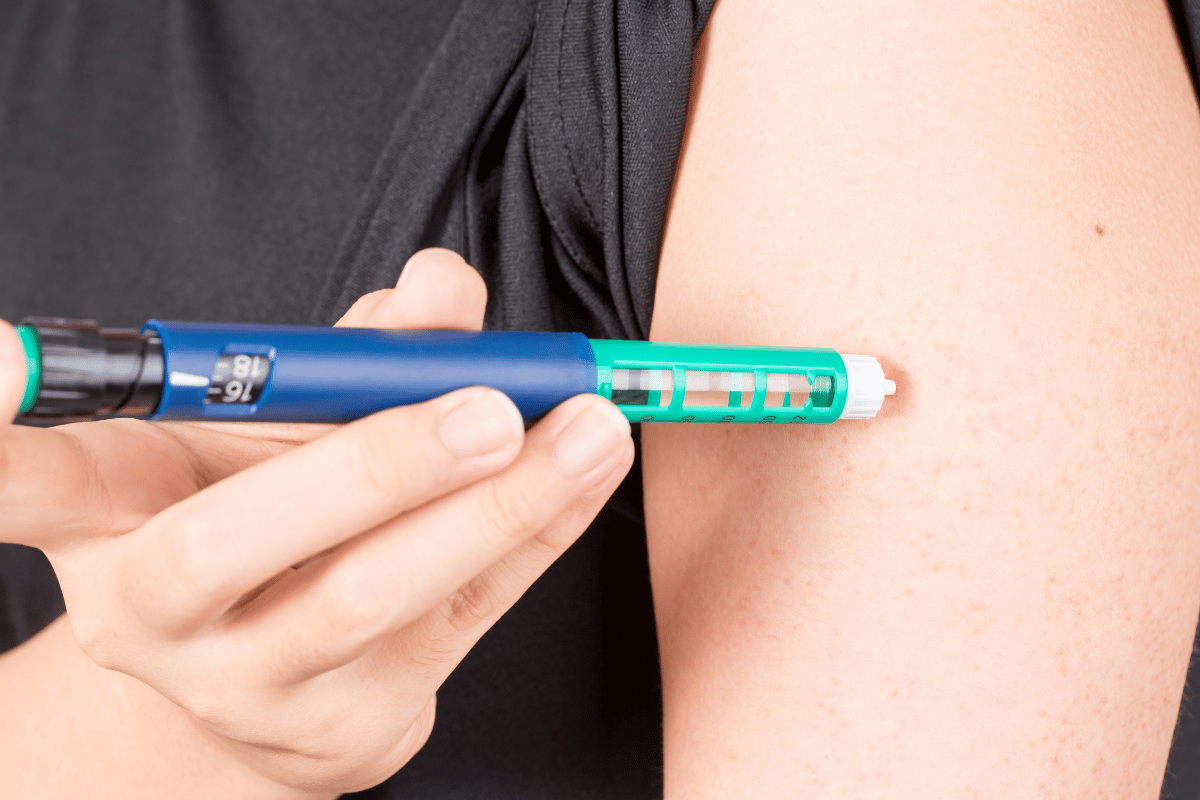
"J'ai pris de l'insuline et rien ne s'est passé"
Vous vérifiez votre glycémie.
Élevé – peut-être beaucoup plus élevé que prévu.
Alors vous faites ce que vous avez fait d’innombrables fois auparavant :
Vous prenez de l’insuline, attendez patiemment, buvez de l’eau, peut-être vous promenez-vous un peu…
… et rien ne se passe.
Ou pire, votre glycémie continue de grimper.
Pour les personnes vivant avec le diabète de type 1 ou le diabète de type 2 insulino-dépendant, peu d’expériences sont plus frustrantes que l’insuline « qui ne fonctionne pas ».
La vérité est que l’insuline cesse rarement d’agir sans raison.
Dans de nombreux cas, le problème se résume à l’un de plusieurs facteurs cachés :
- Exposition à la température
- Absorption retardée
- Hormones de stress
- Illness
- Problèmes de set de perfusion
- Retards digestifs
- Stockage inapproprié pendant le voyage ou les déplacements
Et parmi celles-ci, l’une des causes les plus négligées est celle des dommages causés par la chaleur.
L’insuline est plus sensible à la température que beaucoup de gens ne le pensent
L'insuline est un médicament biologique, ce qui signifie que la température compte.
Exposition à :
- Voitures chaudes
- Transit aéroportuaire
- Sacs à dos chauds
- Chaleur estivale extérieure
- Longs trajets
- Lumière directe du soleil
- Journées à la plage
- Randonnées
peut réduire progressivement la puissance de l’insuline.
Ce qui rend cette situation particulièrement frustrante, c’est que l’insuline endommagée n’a pas toujours un aspect différent.
Parfois, cela semble encore normal, mais :
- fonctionne plus lentement,
- se sent plus faible,
- entraîne des corrections retardées,
- ou produit des effets inhabituellement tenaces.
De nombreuses personnes ne se rendent compte que quelque chose ne va pas une fois que les doses de correction ont cessé de se comporter de manière prévisible.
C’est l’une des raisons pour lesquelles la protection de la température de l’insuline est devenue un sujet de plus en plus courant dans les communautés diabétiques et dans les discussions sur les voyages.
Les solutions de refroidissement médicales portables, comme la collection de refroidisseurs d'insuline DISONCARE, aident à protéger l'insuline des températures instables.
Les designers les ont créés pour les vols, les déplacements domicile-travail, les voyages en voiture, les activités de plein air et le transport quotidien.

La « température ambiante » ne signifie pas que tous les environnements sont sûrs
De nombreux fabricants d’insuline déclarent que l’insuline ouverte peut rester à température ambiante pendant une période limitée.
Cependant, la « température ambiante » fait généralement référence à des conditions intérieures stables – et non :
- une voiture garée en été,
- un sac à dos en plein soleil,
- lignes de sécurité aéroportuaires,
- événements en plein air,
- ou des jours de voyage prolongés.
Même de courtes périodes de surchauffe peuvent affecter les performances de l'insuline.
Pour les personnes qui voyagent fréquemment ou passent de longues heures loin de la réfrigération, le maintien d’un environnement de stockage plus stable peut contribuer à réduire l’incertitude quant à l’efficacité de l’insuline.
La glacière à médicaments DISONCARE Odyssey prend en charge les médicaments sensibles à la température pendant le voyage. Il aide les utilisateurs à transporter leur insuline, leurs médicaments GLP-1 et leurs thérapies injectables en toute confiance. Cela fonctionne bien pour les vols et les longues sorties.
Un scénario réel que beaucoup de gens reconnaissent
Imaginez ceci :
Vous passez l’après-midi dehors par une chaude journée.
Votre insuline reste dans votre sac pendant plusieurs heures.
Plus tard dans la soirée, votre glycémie augmente soudainement.
Vous prenez une dose correctrice.
Puis un autre.
Mais votre glycémie bouge à peine.
Au début, cela semble aléatoire.
Mais dans de nombreux cas, l’insuline peut se décomposer à cause de la chaleur ou de la déshydratation. Le stress peut également jouer un rôle. La digestion peut être lente. Le corps peut ne pas bien absorber l’insuline.
C’est pourquoi un stockage constant de l’insuline devient particulièrement important pendant les voyages et les mois d’été.
Autres raisons courantes pour lesquelles l’insuline semble inefficace
1. Problèmes au site d’injection
Des injections répétées dans la même zone peuvent créer :
- Tissu cicatriciel
- Lipohypertrophy
- Zones d’absorption plus lentes
Les signes peuvent inclure :
- Certains domaines « ne fonctionnent pas » systématiquement.
- Peau caoutchouteuse ou épaissie
- Réponse insulinique imprévisible
La rotation régulière des sites d’injection peut contribuer à améliorer la cohérence de l’absorption.
2. Le stress et la maladie augmentent la résistance à l’insuline
Même l’insuline correctement conservée peut sembler moins efficace dans les cas suivants :
- Illness
- Infection
- Stress émotionnel
- Mauvais sommeil
- Fluctuations hormonales
Les hormones de stress telles que le cortisol et l’adrénaline peuvent augmenter temporairement la résistance à l’insuline, rendant ainsi la glycémie plus difficile à réduire.
Cela explique pourquoi de nombreuses personnes éprouvent :
- « des hauts tenaces »
- pics de glycémie pendant les jours de maladie,
- ou des doses de correction qui semblent inhabituellement faibles.
3. Les repas riches en graisses retardent les pics de glycémie
Les repas riches en graisses et en protéines peuvent être digérés plus lentement que prévu.
Les exemples incluent :
- Pizza
- Aliments frits
- Burgers
- Glace
- Repas copieux au restaurant
Dans ces cas, la glycémie peut continuer à augmenter longtemps après que l’insuline ait commencé à agir.
Cela peut donner l’impression que l’insuline « n’a rien fait », alors que la digestion continue de faire monter la glycémie.
4. Problèmes de pompe ou de set de perfusion
Pour les utilisateurs de pompe à insuline, les effets persistants peuvent parfois résulter de :
- Canules courbées
- Bulles d'air
- Fuite du site
- Occlusions
- Défaillance de l'adhésif
Des appareils comme Omnipod 5 et Dexcom G7 peuvent aider les utilisateurs à détecter plus tôt les tendances en matière de glycémie. Des échecs de perfusion peuvent toujours survenir sans avertissement.
Si la glycémie reste élevée après les corrections, de nombreux prestataires de soins suggèrent de vérifier le site de perfusion. Ils peuvent également recommander une injection manuelle.
Le côté émotionnel de « l’insuline ne fonctionne pas »
L’incertitude est l’un des aspects les plus difficiles de la gestion du diabète.
Lorsque l’insuline semble inefficace, de nombreuses personnes souffrent :
- Frustration
- Panic
- Peur des cétones
- Anxiété face à une insuline endommagée
- Stress lié aux sommets du jour au lendemain
Ce stress peut parfois provoquer un « dosage de panique ». Cela signifie prendre des doses de correction supplémentaires trop tôt, avant que l’insuline précédente n’ait pleinement effet.
Étant donné que l’insuline à action rapide peut rester active pendant des heures, l’empilement des doses peut provoquer une hypoglycémie inattendue. Plusieurs doses peuvent commencer à agir en même temps.
C’est pourquoi un stockage prévisible de l’insuline, une surveillance attentive et de la patience sont importants.
Pourquoi de plus en plus de voyageurs donnent la priorité au refroidissement des médicaments
La gestion moderne du diabète est de plus en plus mobile.
Les gens transportent désormais de l’insuline alors que :
- Flying
- Travailler de longs quarts de travail
- Hiking
- Fréquenter l'école
- Voyager à l'international
- Passer des journées entières à l’extérieur
- Déplacements quotidiens
Les méthodes de refroidissement traditionnelles comme les blocs de glace peuvent parfois introduire de nouvelles préoccupations :
- Risque de gel
- Condensation
- Leakage
- Durée de refroidissement limitée
- Installations de transport encombrantes
Les systèmes de refroidissement dédiés aux médicaments sont conçus spécifiquement autour de la portabilité des médicaments et de la stabilité de la température.
DISONCARE fabrique des produits de refroidissement portables pour l'insuline, Ozempic, Wegovy et d'autres médicaments sensibles à la température. Ils aident lors des tâches quotidiennes, des voyages, des vols et des activités de plein air.

Pour de nombreux utilisateurs, un refroidissement fiable n’est pas seulement pratique. Cela réduit l’anxiété concernant la sécurité et la cohérence des médicaments lorsque vous êtes loin de chez vous.
Liste de contrôle de dépannage rapide
Si l’insuline semble « n’avoir aucun effet », pensez à vérifier :
- L'insuline a-t-elle été exposée à la chaleur ?
- L'insuline est-elle périmée ?
- L'avez-vous bien rangé pendant le voyage ?
- La maladie ou le stress pourraient-ils accroître la résistance ?
- La digestion affecte-t-elle toujours la glycémie ?
- La pompe ou le site de perfusion fonctionnent-ils correctement ?
- Avez-vous changé les sites d'injection récemment ?
- Est-ce que je donne à l’insuline suffisamment de temps pour agir ?
Dans de nombreuses situations, examiner calmement ces facteurs permet d’identifier la cause probable.
Quand l’hyperglycémie devient une urgence
Consultez rapidement un médecin si une glycémie élevée s'accompagne de :
- Vomiting
- Cétones modérées ou importantes
- Respiration rapide
- Déshydratation sévère
- Confusion
- Difficulté à rester éveillé
Ceux-ci peuvent être des signes avant-coureurs d’acidocétose diabétique et nécessiter des soins médicaux urgents.
Pensées finales
Lorsque l’insuline semble « ne rien faire », cela signifie généralement que quelque chose interfère avec :
- absorption,
- le timing,
- sensibilité à l'insuline,
- ou la puissance du médicament.
Et même si de nombreux facteurs peuvent y contribuer, l’exposition à la température reste l’un des plus évitables.
Alors que les soins du diabète deviennent de plus en plus axés sur les voyages et mobiles, la protection de l’insuline au quotidien est plus importante que jamais.
Des solutions de refroidissement fiables, telles que la gamme de refroidisseurs de médicaments DISONCARE, peuvent maintenir la stabilité de l'insuline.
Ils fonctionnent bien pour les déplacements domicile-travail, les vols, les activités de plein air, les voyages en voiture et les longues journées sans réfrigérateur.
Parce que parfois la différence entre « mon insuline a fonctionné » et « rien ne s’est passé » commence bien avant l’injection elle-même.
Foire aux questions
L’insuline peut-elle cesser d’agir soudainement ?
Oui. L’insuline peut sembler moins efficace si elle est exposée à trop de chaleur. Il peut également être moins efficace s’il gèle accidentellement. Cela peut également arriver si vous le stockez dans le mauvais sens. La maladie et le stress peuvent également augmenter la résistance à l’insuline.
À quoi ressemble l’insuline endommagée ?
Parfois, l’insuline endommagée semble trouble, grumeleuse ou décolorée. Cependant, l’insuline peut également perdre de son efficacité sans changements visuels évidents.
La chaleur peut-elle détruire définitivement l’insuline ?
Oui. Une exposition prolongée à des températures élevées peut réduire de façon permanente l’efficacité de l’insuline.
Pourquoi ma dose de correction ne fonctionne-t-elle pas ?
Les raisons possibles incluent :
- digestion retardée,
- problèmes de site de perfusion,
- maladie,
- le stress,
- résistance à l'insuline,
- ou une puissance réduite de l'insuline due à un stockage inapproprié.
Comment emporter de l’insuline en voyage ?
De nombreuses personnes utilisent des glacières isothermes pour médicaments. Ils conservent les médicaments à des températures plus sûres. Les gens les utilisent pendant les vols et les déplacements domicile-travail. Ils les utilisent également pour les activités de plein air et les longs voyages.
References
- Association américaine du diabète — Notions de base sur l'insuline
- Centres de contrôle et de prévention des maladies — Gestion de la glycémie
- FDA — Informations sur le stockage de l'insuline
- Clinique Mayo — Hyperglycémie associée au diabète
- Au-delà du type 1
-
Fondation de recherche sur le diabète juvénile (FRDJ)
