
Le café glacé doit avoir un goût froid, audacieux et rafraîchissant.
Mais pour de nombreux amateurs de café, l’expérience change trop vite. La première gorgée est douce et forte. Quelques minutes plus tard, la glace commence à fondre. Au moment où vous terminez la boisson, elle peut avoir un goût faible, liquide et aqueux.
C’est le problème du café glacé ordinaire.
La glace rend votre boisson froide, mais elle fond également dans votre boisson. Une fois fondu, il devient de l'eau supplémentaire. Cette eau supplémentaire modifie la saveur, la texture et l’équilibre de votre café.
Si vous aimez le café glacé mais n'aimez pas la finition aqueuse, le meilleur objectif est simple : garder la boisson froide sans compter sur la glace fondante.
Pourquoi le café glacé est dilué
La dilution se produit lorsque la glace fond dans votre café.
Lorsque vous ajoutez de la glace au café, la glace absorbe la chaleur de la boisson. Cela aide à refroidir le café. Mais à mesure que la glace fond, elle se transforme en eau et se mélange au café.
Cette eau supplémentaire peut donner le goût de votre boisson :
-
weaker
-
thinner
-
moins crémeux
-
moins sucré
-
moins équilibré
-
moins satisfaisant
Si votre café glacé contient du lait, de la crème, du sirop ou des arômes, ces ingrédients sont également dilués. Cela signifie que c’est toute la boisson qui change, pas seulement le café.
C’est pourquoi le café glacé a souvent meilleur goût juste après sa préparation. Plus il reste longtemps avec de la glace, plus la saveur change.
Pourquoi plus de glace n'est pas toujours la réponse
Une solution courante consiste à ajouter plus de glace.
Au début, cela semble utile. Plus de glace peut garder votre boisson fraîche plus longtemps. Mais cela peut aussi créer davantage d’eau fondue au fil du temps.
Si vous buvez votre café rapidement, cela ne vous dérangera peut-être pas. Mais si vous aimez siroter lentement à votre bureau, dans la voiture ou dehors par une chaude après-midi, la saveur peut s'affaiblir avant que vous ayez terminé.
Plus de glace prend également de la place dans la tasse. Vous pensez peut-être que vous buvez une boisson pleine, mais une grande partie de la tasse est en réalité composée de glace.
À mesure que la glace fond, votre boisson peut devenir plus froide pendant un certain temps, mais elle perd également en saveur.
C'est pourquoi plus de glace ne signifie pas toujours un meilleur café glacé.
Commencez par une meilleure préparation du café
Une façon de réduire la dilution est de commencer par une meilleure préparation du café.
Si vous préparez du café chaud et le versez directement sur de la glace, la glace fond rapidement. Cela peut créer une boisson aqueuse presque immédiatement.
Essayez plutôt de laisser votre café refroidir avant de le servir. Vous pouvez également préparer du café à l’avance et le conserver au réfrigérateur.
Commencer avec du café frais permet de réduire la quantité de glace dont vous avez besoin. Moins de glace signifie moins d’eau fondue.
L'infusion froide est une autre bonne option. Selon le Association nationale du café, l'infusion froide est préparée avec de l'eau à température ambiante ou plus froide sur une période d'infusion plus longue, tandis que le café glacé est généralement infusé chaud puis refroidi.
Étant donné que l’infusion froide est souvent plus forte ou plus concentrée, elle peut mieux supporter certaines dilutions que le café glacé ordinaire. Mais même une infusion froide peut avoir un goût plus faible si trop de glace y fond.
Les glaçons au café peuvent aider
Les glaçons au café sont un moyen populaire de réduire la dilution.
Au lieu de congeler de l’eau claire, vous congelez le café en cubes. Lorsque les cubes fondent, ils ajoutent du café à la boisson au lieu de l'eau.
Cela peut aider à protéger la saveur.
Cependant, les glaçons au café nécessitent une planification. Vous avez besoin de café supplémentaire, d'un bac à glaçons, d'espace de congélation et de temps. Vous devez également penser à les préparer avant d’en avoir besoin.
Pour certaines personnes, cela fonctionne bien. Pour d’autres, cela ressemble à une étape de plus dans une routine déjà bien remplie.
C'est pourquoi de nombreux buveurs de café glacé recherchent un moyen plus simple de garder le café au frais sans ajouter d'eau supplémentaire.
Utilisez moins de glace autant que possible
Le moyen le plus simple de réduire la dilution est d’utiliser moins de glace.
Mais utiliser moins de glace ne fonctionne que si vous disposez d’un autre moyen de garder la boisson froide.
C'est là que la coupe compte.
Un gobelet en verre ou en plastique ordinaire n’aidera pas beaucoup. Il permet à la boisson de se réchauffer rapidement, en particulier dans les pièces chaudes ou en extérieur.
Un gobelet isotherme ordinaire peut aider à garder les boissons déjà froides au frais. Mais il ne refroidit généralement pas rapidement à lui seul une boisson à température ambiante.
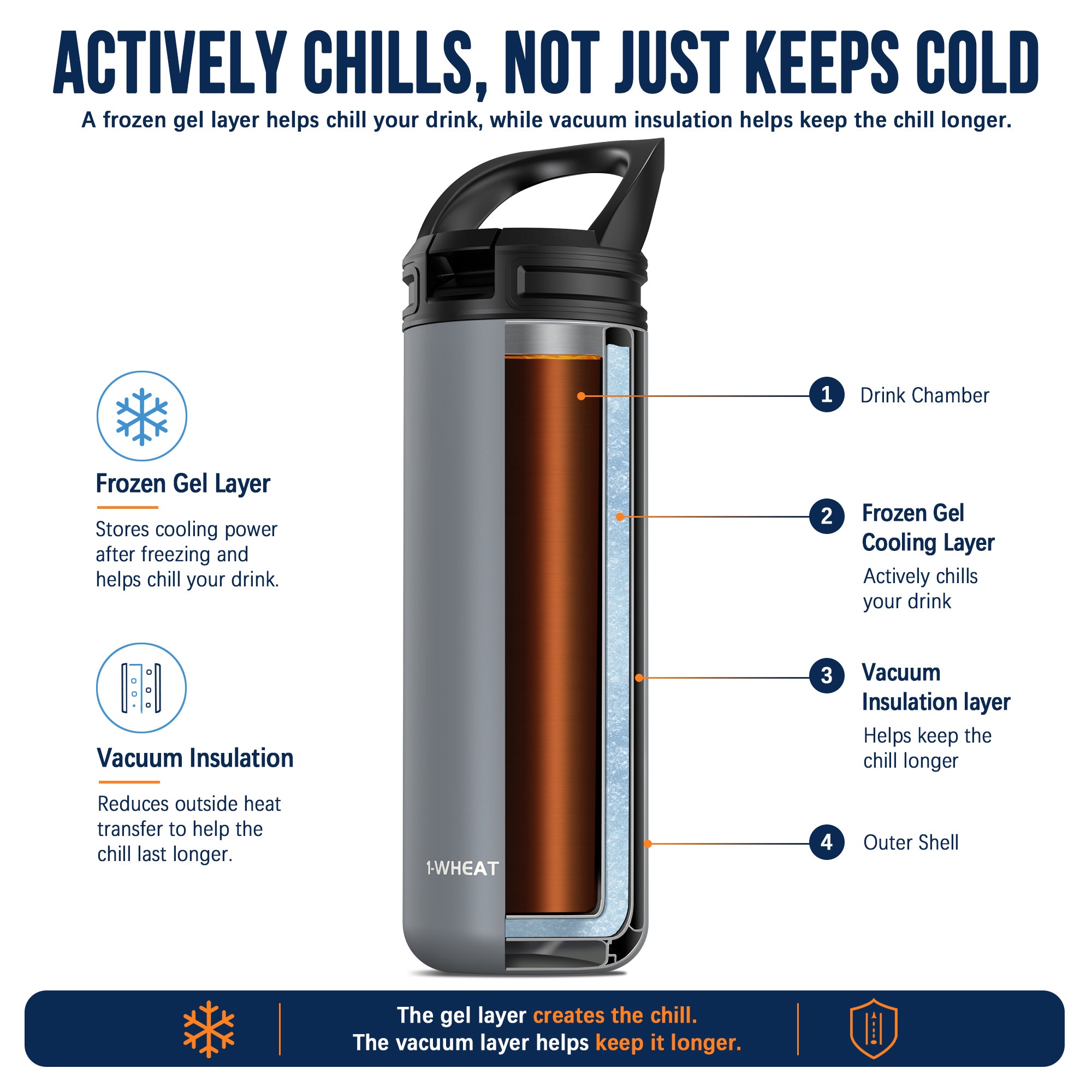
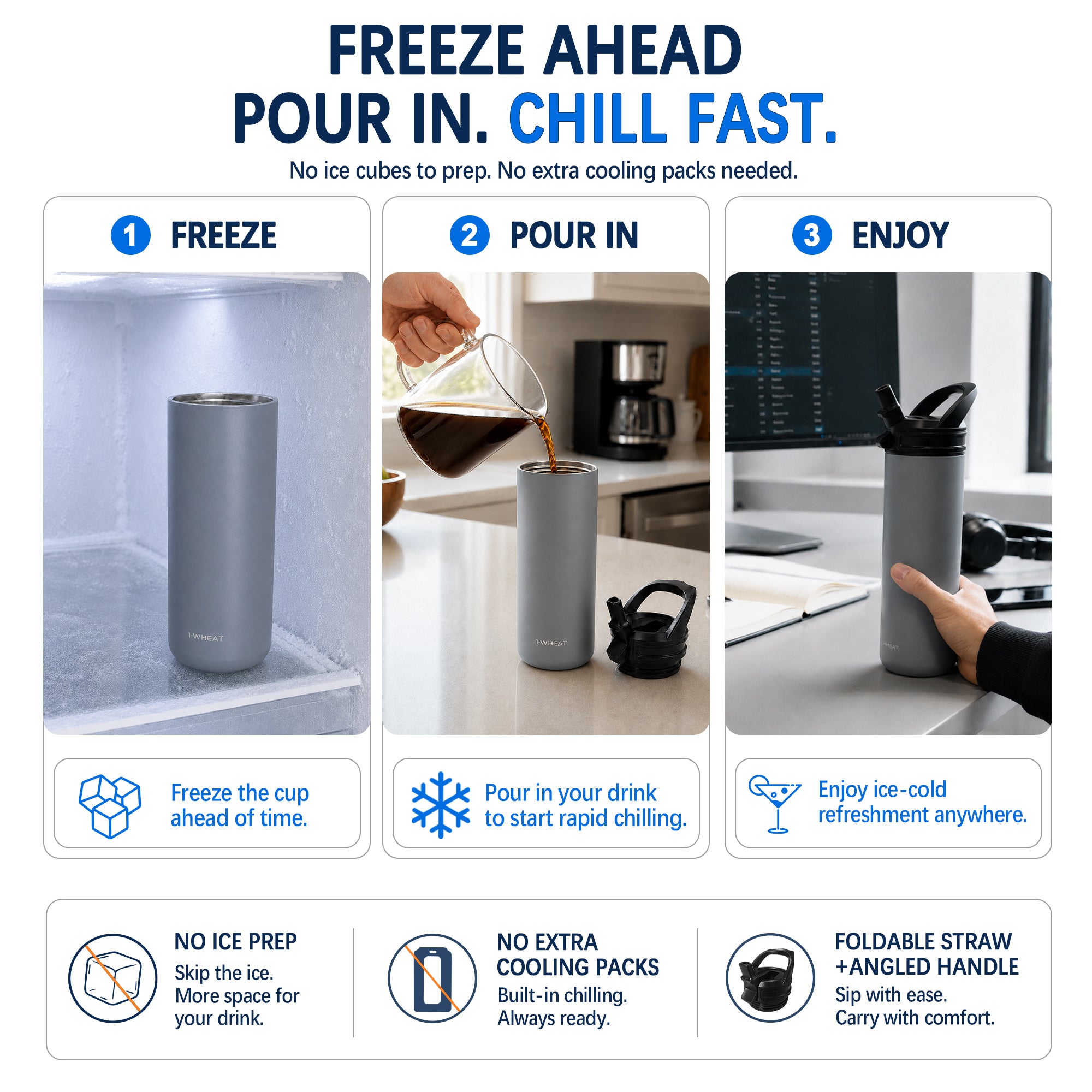
Une tasse à refroidissement rapide fonctionne différemment. Il est conçu pour aider à refroidir la boisson à travers la tasse elle-même.
Cela signifie que vous pouvez réduire le besoin de glace tout en dégustant une boisson fraîche.
Une meilleure façon : refroidir la boisson sans la diluer
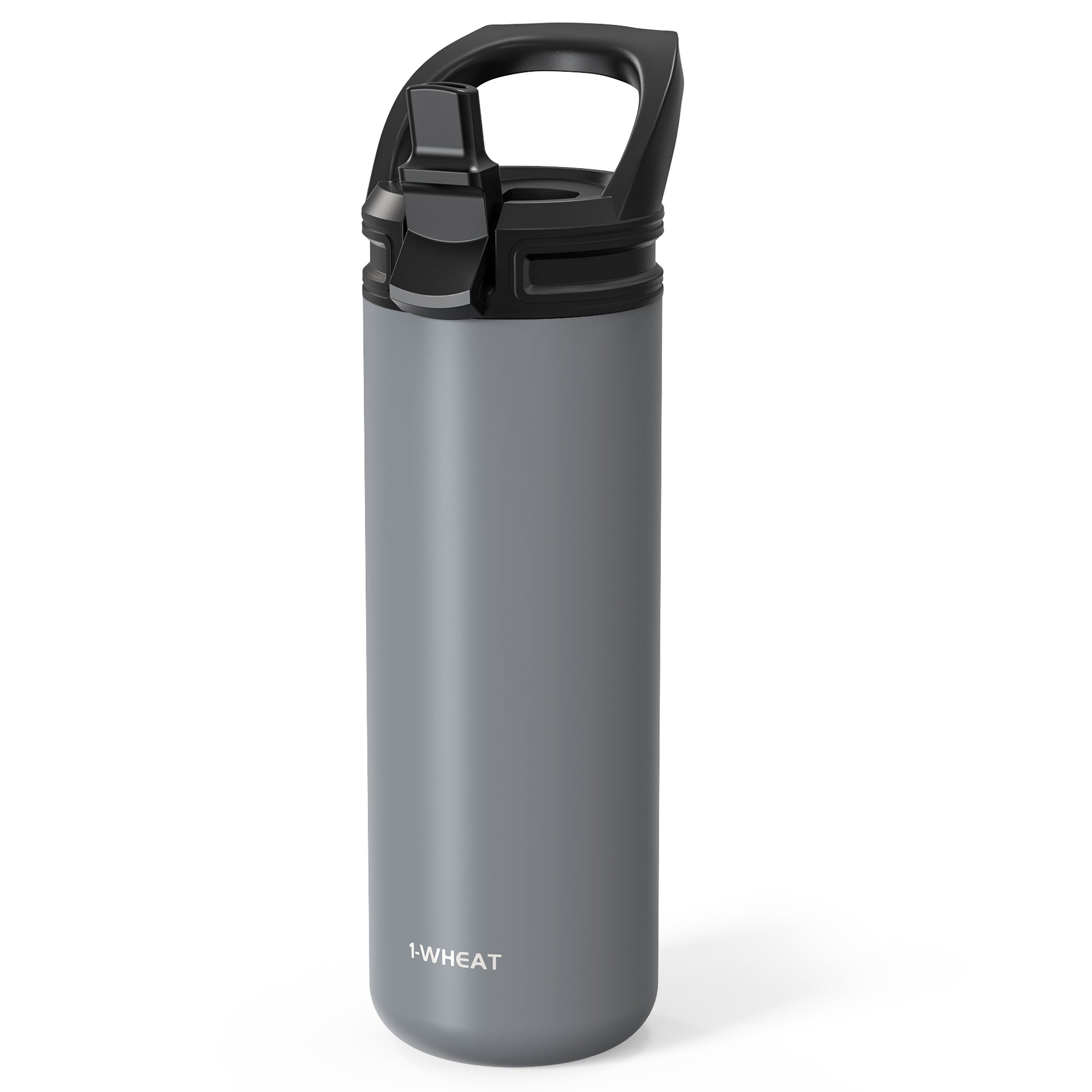
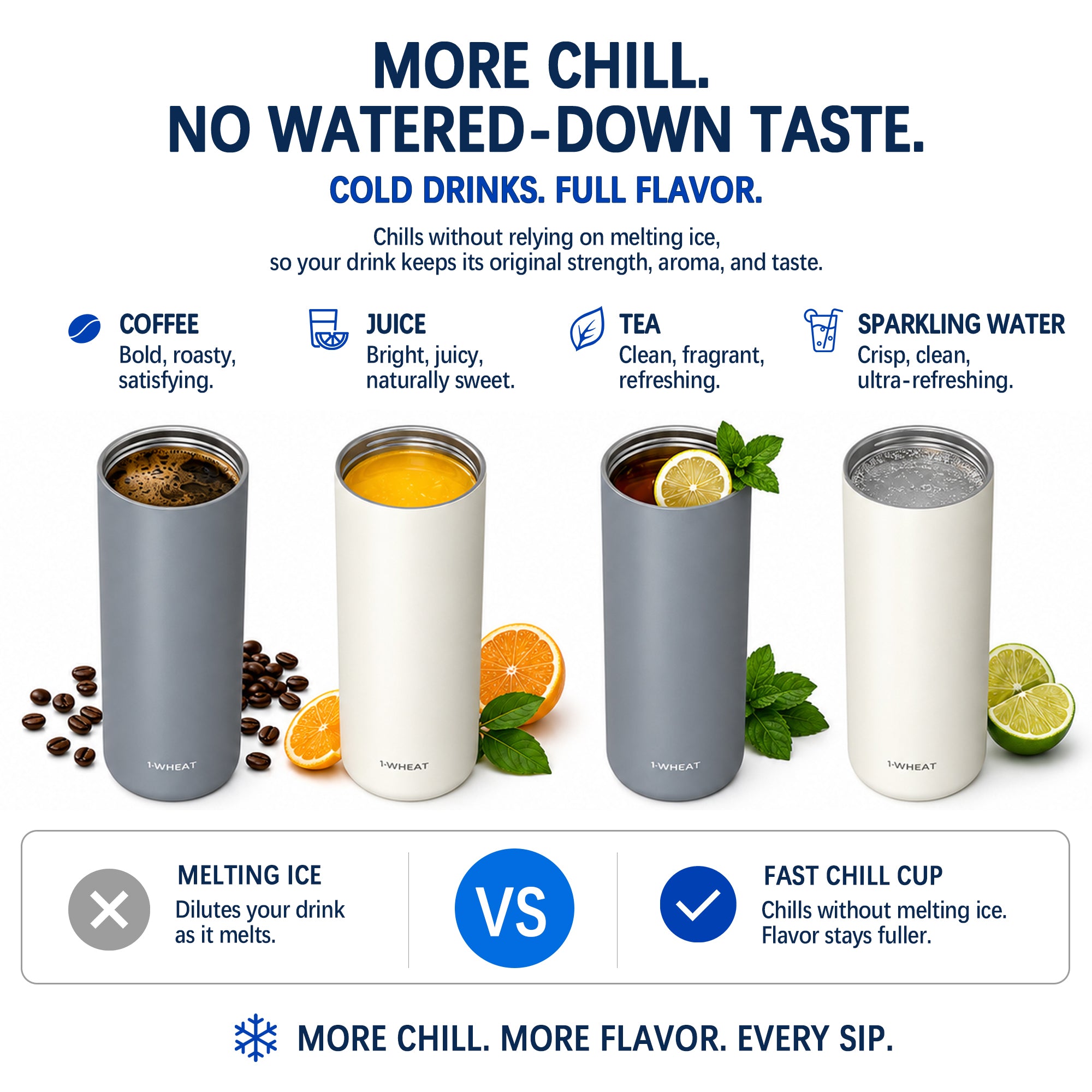
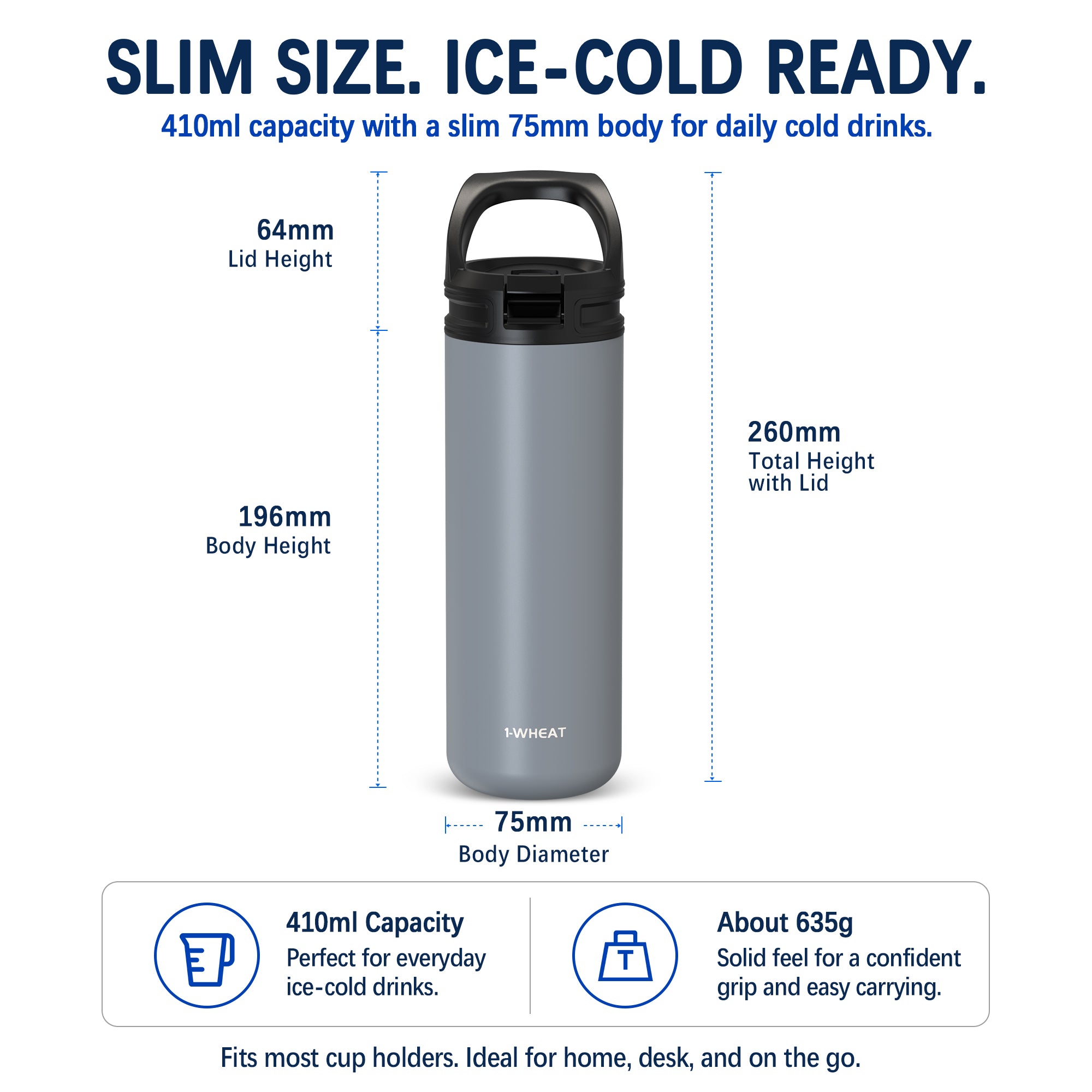
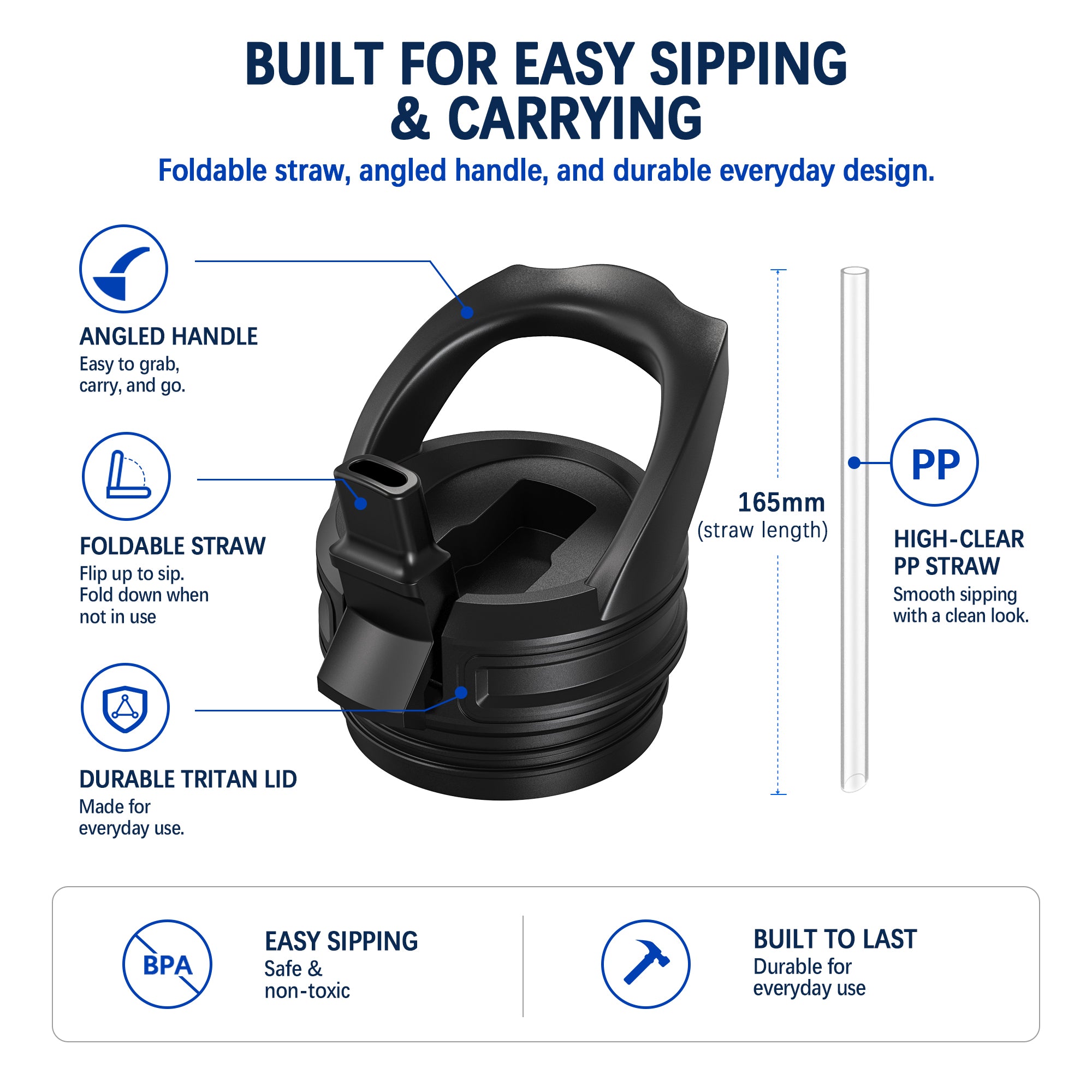
La tasse DISONCARE Rapid-Chill est conçue pour les personnes qui souhaitent des boissons froides sans le goût dilué habituel.
Au lieu de remplir votre café de glace, la tasse aide à amener la boisson dans une zone plus froide et plus rafraîchissante à travers la tasse elle-même.
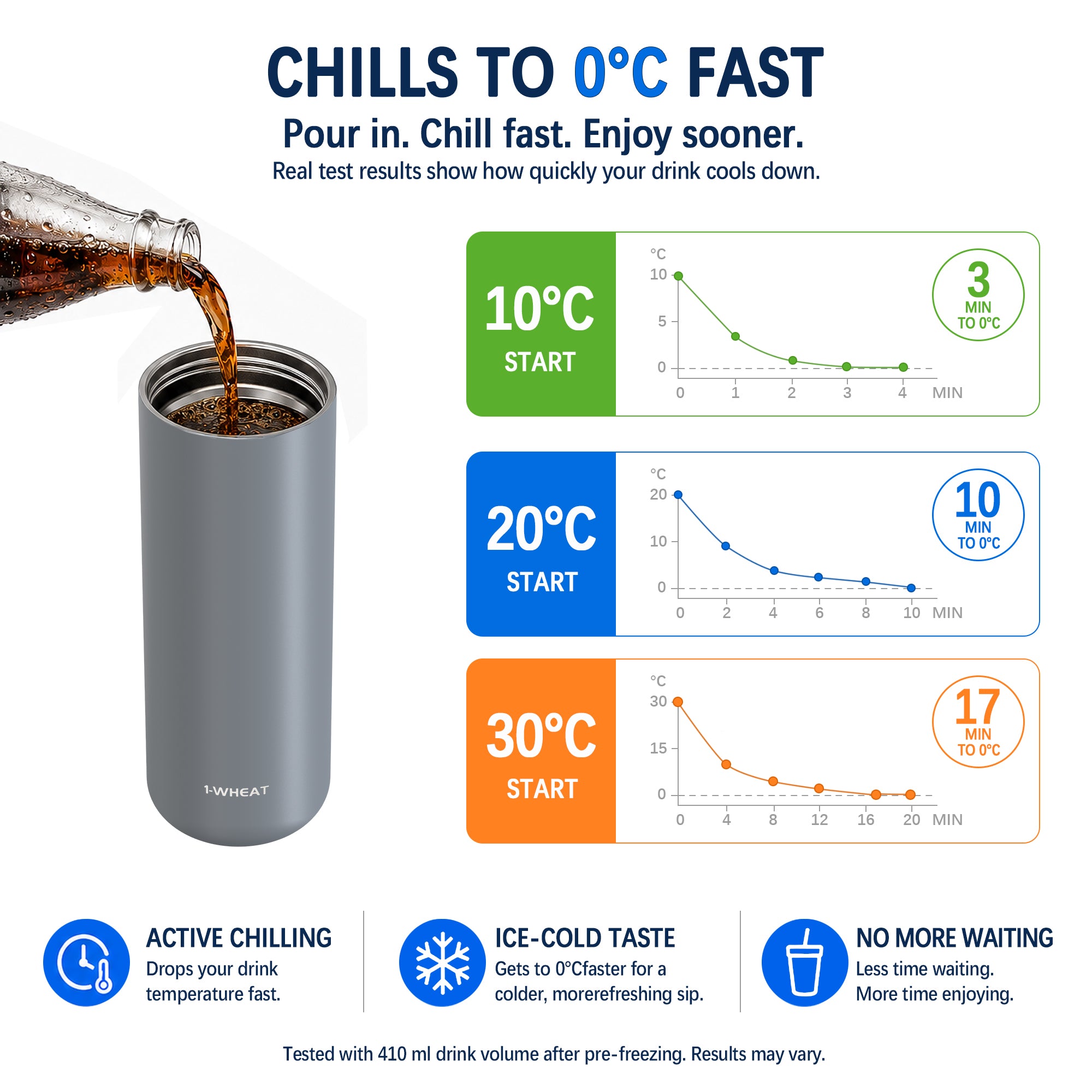
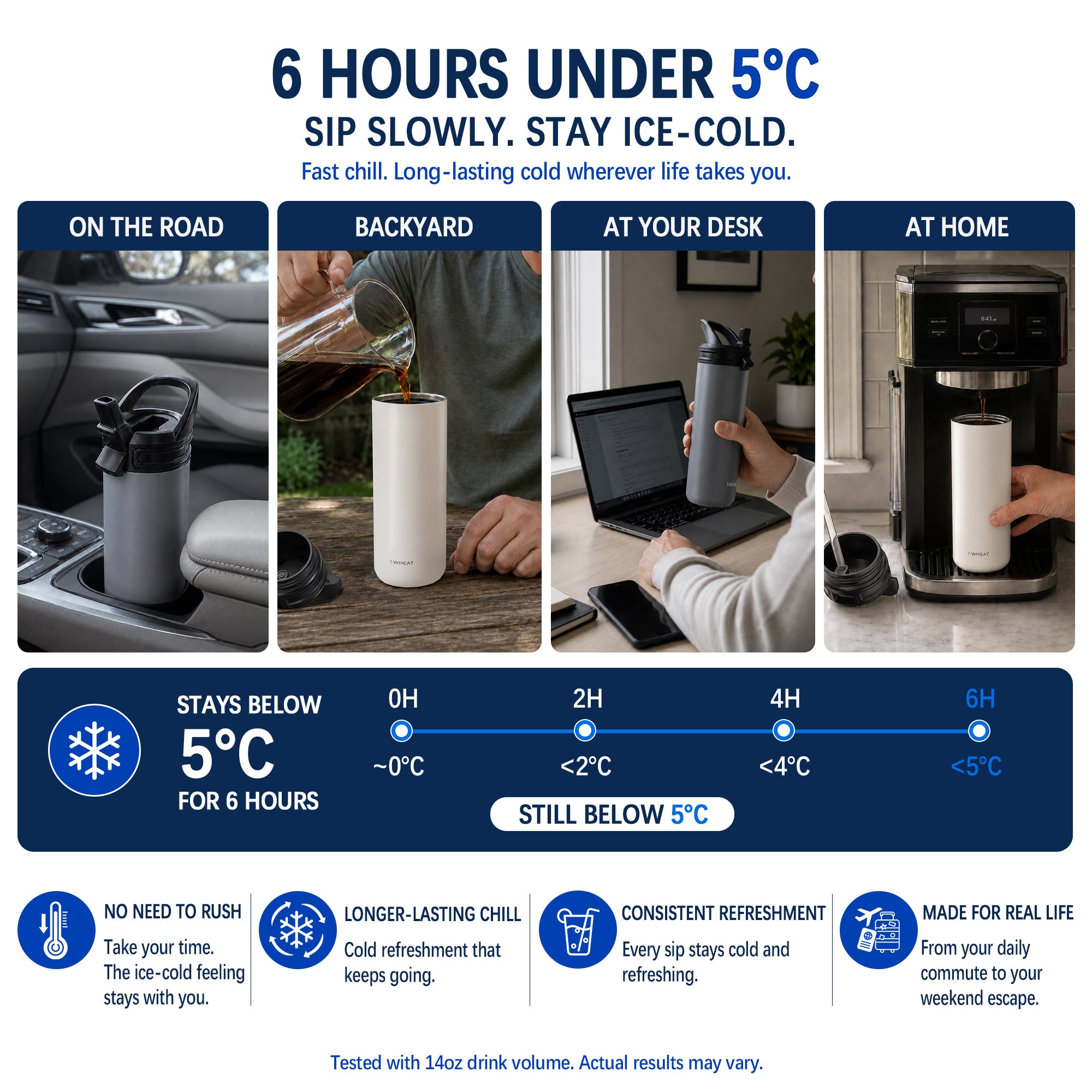
Dans des conditions de test contrôlées, une boisson de 14 onces peut refroidir jusqu'à 0°C en 10 minutes environ. La tasse peut également rester en dessous de 5°C pendant 6 heures maximum dans des conditions de test contrôlées.
Les performances réelles peuvent varier en fonction de la température de départ de la boisson, de la température ambiante, du volume de la boisson, des conditions extérieures et de la fréquence d'ouverture du couvercle.
L'idée de base est simple :
Pas besoin de glace. Aucune dilution. Toujours aussi rafraîchissant.
Pour les buveurs de café glacé, cela signifie que votre café peut rester plus proche de la façon dont vous l’avez préparé. La saveur reste plus constante et la dernière gorgée n'a pas besoin d'avoir le goût de glace fondue.
Quand cela compte le plus
Réduire la dilution est particulièrement utile lorsque vous buvez du café glacé lentement.
Une tasse à refroidissement rapide s'intègre bien dans les moments du quotidien comme :
-
café du matin à la maison
-
café glacé à votre bureau
-
routines de travail à domicile
-
voyages en voiture et courses
-
après-midi dans la cour
-
café après l'entraînement
-
matins de week-end lents
Ce sont les moments où la glace ordinaire fond souvent avant que vous ayez fini de boire.
Au lieu de vous précipiter dans votre café, vous pouvez le siroter à un rythme plus naturel.
Boissons qui bénéficient d’une moindre dilution
Le café glacé n’est pas la seule boisson qui a meilleur goût avec moins de glace fondue.
La même idée s’applique à :
-
infusion froide
-
matcha latté
-
thé glacé
-
lemonade
-
juice
-
café protéiné
-
eau aromatisée
-
cocktails sans alcool d'été
Pour l’eau ordinaire, la dilution n’a pas beaucoup d’importance. Mais pour les boissons aromatisées, sucrées, au lait, au café ou au thé, la dilution peut changer toute l’expérience.
Moins de glace fondue signifie que la boisson peut rester plus proche de son goût d'origine.
Une note rapide sur le café glacé à base de produits laitiers
Si votre café glacé contient du lait, de la crème ou d’autres ingrédients périssables, la sécurité alimentaire de base est toujours importante.
The FDA recommande de conserver les aliments réfrigérés à 40 °F / 4 °C ou moins. Le USDA explique également que les aliments périssables doivent être manipulés avec précaution lorsqu'ils se trouvent dans la zone de température dangereuse.
Une tasse froide peut améliorer votre expérience de consommation, mais elle ne doit pas remplacer les habitudes de base en matière de sécurité alimentaire. Si une boisson à base de produits laitiers est restée trop longtemps dans des conditions chaudes, faites preuve de bon sens.
Pensées finales
Le café glacé ne doit pas perdre sa saveur avant d'être terminé.
Le principal problème n'est pas le café. C'est la glace.
En fondant, la glace ajoute de l’eau. Cette eau affaiblit la boisson et en modifie le goût.
Pour déguster du café glacé sans dilution, commencez par du café frais, utilisez moins de glace, essayez des glaçons au café ou choisissez une tasse conçue pour refroidir les boissons sans ajouter d'eau supplémentaire.
La tasse DISONCARE Rapid-Chill offre aux amateurs de café glacé une meilleure option au quotidien : un café froid, une meilleure saveur et un goût moins aqueux.
Parce que le café glacé doit rester audacieux.
Et votre dernière gorgée devrait toujours avoir le goût du café.
FAQ
Que signifie la dilution du café glacé ?
La dilution du café glacé se produit lorsque la glace fond dans le café. La glace fondue devient de l'eau supplémentaire, ce qui rend le goût de la boisson plus faible et moins équilibré.
Comment déguster du café glacé sans dilution ?
Vous pouvez commencer avec du café réfrigéré, utiliser des glaçons au café, utiliser moins de glace ou choisir une tasse à refroidissement rapide qui permet de refroidir la boisson sans ajouter d'eau supplémentaire.
L’infusion froide est-elle moins susceptible d’être diluée ?
L'infusion froide est souvent rendue plus forte ou plus concentrée, elle peut donc mieux gérer la dilution que le café glacé ordinaire. Cependant, il peut toujours avoir un goût aqueux si trop de glace y fond.
Ai-je besoin de glace avec une tasse à refroidissement rapide ?
Pas toujours. Une tasse à refroidissement rapide est conçue pour aider à refroidir les boissons à travers la tasse elle-même, réduisant ainsi le besoin de glace à l'intérieur de la boisson.
Puis-je utiliser la tasse DISONCARE Rapid-Chill pour des boissons autres que du café glacé ?
Oui. Il peut être utilisé pour les infusions froides, le matcha, le thé glacé, la limonade, les jus, le café protéiné, l'eau aromatisée et de nombreuses autres boissons froides.