
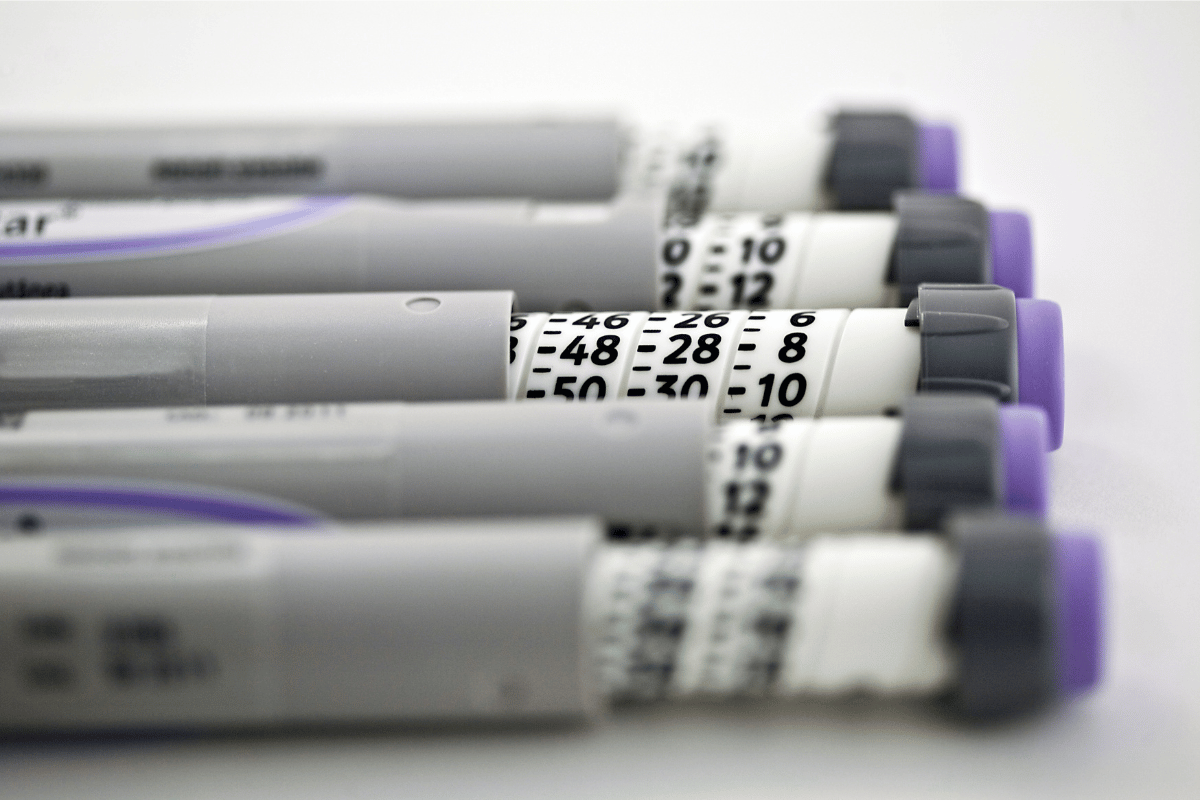
Lantus Expiration After Opening: What You Need to Know

If you use insulin, understanding expiration and storage is essential for both safety and effectiveness. One of the most common questions is:

How long does Lantus last after opening?

The answer is simple—but important to follow carefully.

What Is Lantus?

Lantus is a long-acting insulin used to help control blood sugar levels. It releases insulin steadily over about 24 hours, and doctors commonly prescribe it for people with diabetes.

How Long Is Lantus Good After Opening?

Once opened, Lantus is generally good for:

👉 Up to 28 days

After this period, the insulin should be discarded—even if there is still liquid remaining.

This applies to:

  • Lantus SoloStar pens
  • Lantus vials

Why Does Lantus Expire After 28 Days?

After opening, insulin is exposed to:

  • Air
  • Light
  • Temperature fluctuations

Over time, these factors can cause the insulin to:

  • Lose potency
  • Become less effective at controlling blood sugar

The U.S. Food and Drug Administration recommends following manufacturer guidelines to ensure medication safety and effectiveness.

Storage Guidelines After Opening

Once opened, Lantus should be stored properly to maintain its effectiveness.

Recommended Storage Conditions

  • Keep at room temperature (below 86°F / 30°C)
  • Do not refrigerate after opening (for comfort, though refrigeration is not harmful if consistent)
  • Keep away from direct heat and sunlight
  • Never freeze insulin

Unopened vs Opened Lantus Storage

How to Tell If Lantus Has Gone Bad

Do not use Lantus if you notice:

  • Cloudiness (it should be clear)
  • Particles or floating debris
  • Discoloration
  • Exposure to extreme heat or freezing

If you’re unsure, consult your pharmacist or healthcare provider.

What Happens If You Use Expired Lantus?

Using insulin past its recommended period may result in:

  • Reduced effectiveness
  • Higher blood sugar levels
  • Less predictable glucose control

The American Diabetes Association emphasizes the importance of using insulin within its recommended timeframe.

Travel & Temperature Control: Protecting Your Insulin

One of the biggest risks to insulin is temperature exposure, especially during:

  • Travel
  • Hot weather
  • Daily commuting

Even within the 28-day window, improper storage can reduce insulin effectiveness.

DISONCARE designed medication coolers to help maintain stable temperatures for insulin during real-life situations.

Why This Matters

  • Prevents overheating above 86°F
  • Avoids temperature fluctuations
  • Keeps insulin safe during flights or road trips
  • Helps maintain effectiveness throughout the 28-day use period

Practical Use Cases

  • Carrying your insulin to work
  • Traveling without access to refrigeration
  • Protecting insulin during summer heat
  • Keeping medication stable during long outings

Tips to Manage Lantus Expiration

✔ Write the opening date on your pen or vial

✔ Set a 28-day reminder on your phone

✔ Store insulin in a consistent environment

✔ Avoid leaving insulin in cars or direct sunlight

✔ Use a cooling solution when traveling

Final Thoughts

After opening, Lantus is typically safe to use for up to 28 days, as long as it is stored properly.

Temperature control plays a critical role in maintaining insulin effectiveness—especially in everyday life and travel situations. Using tools like DISONCARE coolers can help protect your insulin and ensure reliable performance.

By following proper storage guidelines and tracking expiration dates, you can manage your insulin safely and confidently.

References

  1. Lantus Prescribing Information. Sanofi.
    https://products.sanofi.us/lantus/lantus.html
  2. U.S. Food and Drug Administration. Safe Use of Insulin.
    https://www.fda.gov
  3. American Diabetes Association. Insulin Storage Guidelines.
    https://diabetes.org


コメントを残す

すべてのコメントは公開前にモデレートされます