
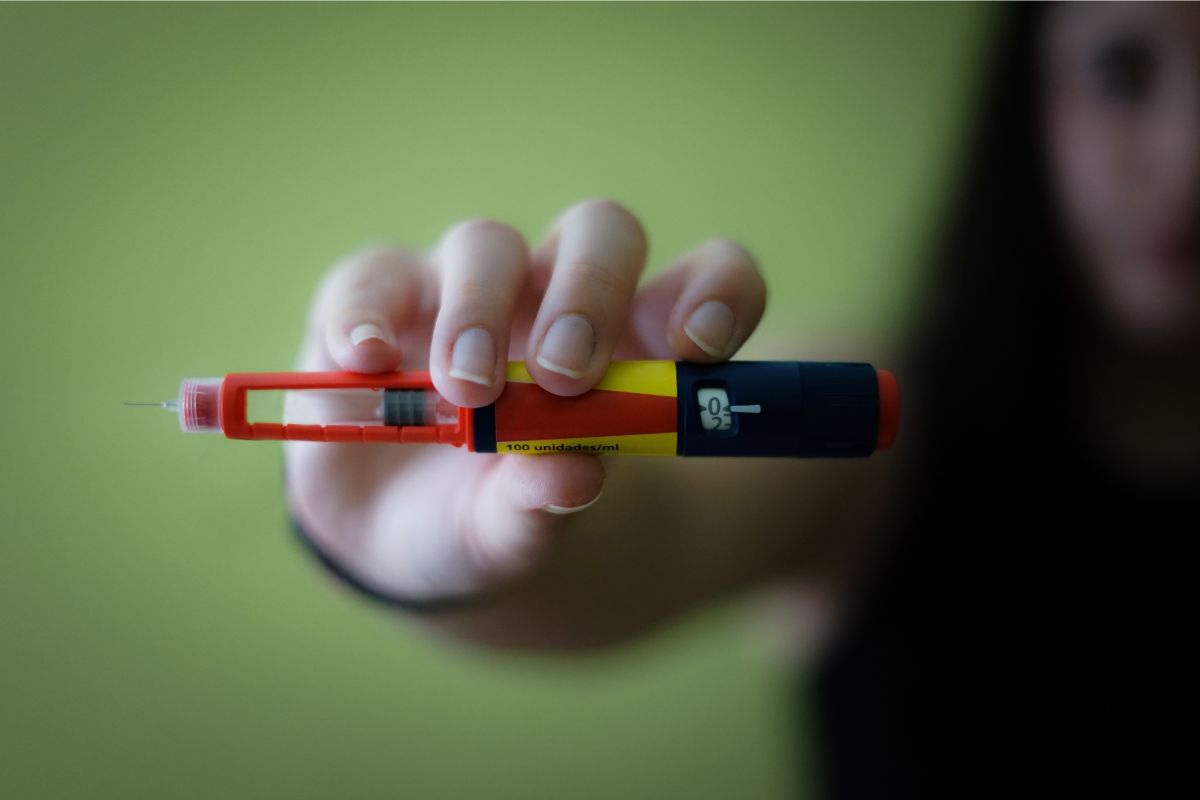
Whether you are flying with insulin, a GLP-1 injection device, another temperature-sensitive medication, or pumped breast milk, one common question is: Can I take my DISONCARE cooler on a plane?
DISONCARE portable coolers are designed for air travel and carry-on use. However, DISONCARE coolers are not officially approved, certified, or endorsed by the Transportation Security Administration (TSA). Medication, breast milk, cooling components, and the cooler itself may be subject to security screening, and the final screening decision rests with the security officer.
For U.S. travel, TSA provides special screening procedures for medications, medically necessary liquids, breast milk, and related cooling accessories. For international travel, airline, airport, customs, and medication requirements can vary by country and route, so always check the rules that apply to your journey before departure.
Can I Take a DISONCARE Cooler Through TSA Security?
DISONCARE does not claim that its coolers are TSA-approved, TSA-certified, or endorsed by TSA.
For U.S. air travel, medications can be carried through TSA security screening. Medically necessary liquids, medications, and creams may be carried in quantities greater than the standard 3.4 oz / 100 mL liquids limit when applicable, but they may require separate screening.
Keep medication and medically necessary cooling supplies accessible during security screening. If you are carrying medically necessary liquids or cooling accessories, inform the TSA officer when appropriate and follow any additional screening instructions.
TSA recommends clearly identifying medication to help facilitate screening, although TSA does not generally require medications to be carried in prescription bottles. Other laws, airline policies, and destination-country requirements may differ.
You can review current U.S. screening information directly on the TSA What Can I Bring? guide .
Should Medication Be in Carry-On or Checked Luggage?
For temperature-sensitive medication, keeping the medication and its travel-cooling setup with you in your carry-on is generally more practical than relying on checked baggage. It keeps the medication accessible during delays, connections, and security screening and allows you to monitor the travel setup throughout the journey.
Checked baggage can also experience conditions that are difficult for travelers to monitor. Always follow the storage and travel instructions supplied with your specific medication and check any manufacturer guidance that applies to the exact device or formulation you use.
If you are traveling with Mounjaro, Zepbound, Wegovy, Ozempic, insulin, or another injection medication, remember that the medication name alone does not determine physical fit. Injection devices can vary considerably in length, diameter, cap design, and market-specific format.
Use the DISONCARE Medication Cooler Fit Guide to compare Holiday, Odyssey, and Intercontinental by injection-device format and carrying capacity.
How to Pack a DISONCARE Hard Medication Cooler for a Flight
DISONCARE hard medication coolers are passive cooling containers. They do not use electricity to actively regulate the cooler chamber to a fixed temperature. Instead, they use a prepared cooling component together with vacuum-insulated stainless-steel construction to provide portable cooling support during travel.
1. Prepare the Blue BioGel Bottle
For DISONCARE hard medication coolers, freeze the Blue BioGel Bottle at approximately −18°C / 0°F for 6–8 hours, or until fully frozen.
After removing it from the freezer, use one of the following preparation methods before packing:
- Leave it at room temperature for approximately 15–30 minutes; or
- Rinse the outside under normal tap water for approximately 30–60 seconds.
This preparation helps moderate the initial surface temperature of the freshly frozen cooling component.
2. Use a Protective Barrier
Avoid prolonged direct contact between an injection device and a freshly frozen BioGel Bottle. Use the included protective pen pouch, the medication's original packaging when appropriate, or another suitable protective barrier.
The protective layer helps reduce prolonged direct exposure to the frozen cooling surface. It should not be interpreted as a guarantee that medication cannot freeze. Always follow the storage instructions for your specific medication.
3. Confirm Physical Fit Before Travel
Check the full length and widest external diameter of the exact injection device you plan to carry. Include any protective pouch, cap, or packaging that will remain inside the cooler.
Do not assume that an insulin-pen capacity estimate automatically applies to wider GLP-1 or other injection devices.
For device-specific guidance, visit the DISONCARE Medication Cooler Fit Guide .
4. Keep Your Travel Setup Accessible
Pack the cooler where it can be accessed if security officers request additional screening. Do not bury medication and cooling components under items that would make inspection difficult.
When practical, keep medication clearly identified and bring any documentation required by your airline, destination, or local regulations. For international trips, check these requirements before departure rather than assuming U.S. TSA procedures apply everywhere.
What About Digital or Mechanical Temperature Displays?
Some DISONCARE Odyssey models offer an interior air-temperature reference:
- BC-B004 uses a Digital Temperature Display.
- BC-B006 uses a battery-free Mechanical Dial.
These readings represent the air temperature inside the cooler near the sensor or probe. They do not directly measure the temperature of the medication, the liquid inside an injection pen, the BioGel Bottle, or every location inside the chamber.
The reading may change temporarily after opening the cooler, inserting the prepared cooling component, or adding medication. Allow the cooler environment to stabilize before interpreting the reading.
Always follow the storage instructions for your medication rather than using the lid display alone to determine whether medication remains suitable for use.
Traveling with Breast Milk Through TSA
TSA has separate screening procedures for breast milk, formula, toddler drinks, and related cooling accessories. Breast milk can be carried in quantities greater than 3.4 oz / 100 mL and does not need to fit inside the standard quart-sized liquids bag.
Ice packs, freezer packs, frozen gel packs, and other accessories required to cool breast milk are also permitted in carry-on baggage under TSA's special screening procedures. Cooling components that are partially frozen or slushy may require additional screening.
At the beginning of screening, inform the TSA officer that you are carrying breast milk and related cooling supplies. Keep these items accessible so they can be screened separately if requested.
For the latest U.S. rules, check the official TSA screening guidance before departure.
DISONCARE breast milk coolers may use a different cooling setup from DISONCARE hard medication coolers. Always follow the preparation instructions for the specific cooler you are using rather than applying the Blue BioGel instructions from a medication cooler to every DISONCARE product.
Air Travel Checklist for Medication Coolers
| Travel Step | DISONCARE Travel Tip |
|---|---|
| Before the flight | Prepare the cooling component according to your specific DISONCARE model instructions. Confirm that your complete medication and packing setup fits before leaving home. |
| At security | Keep medication and medically necessary cooling supplies accessible. Inform the security officer about medically necessary items when appropriate and follow screening instructions. |
| During the flight | Keep the cooler with your carry-on belongings and follow your airline's instructions for baggage placement. Avoid opening the cooler unnecessarily. |
| During layovers | Consider the remaining door-to-door travel time and the condition of your cooling setup. Do not assume an airport lounge, medical station, or other facility will provide refrigerator or freezer access. |
| After arrival | Confirm reliable storage at your destination according to the instructions for your specific medication or breast milk. Do not automatically assume a hotel mini-fridge provides uniform or appropriate temperatures. |
Long Flights, Layovers, and International Travel
When planning a long flight, focus on the total door-to-door journey, not only the scheduled flight time.
Your travel plan may include:
- Transportation to the airport
- Security and waiting time
- The flight itself
- Connections and layovers
- Immigration or customs delays
- Ground transportation after arrival
- Time before reliable refrigeration becomes available
A passive cooler can provide portable cooling support during transportation and periods away from reliable refrigeration, but it should not automatically be treated as a replacement for continuous refrigeration over a multi-day or multi-week trip.
For long journeys, consider whether you will have access to refrigeration, a freezer for re-preparing passive cooling components, or another appropriate storage arrangement after arrival.
For more detailed planning, read How to Travel Safely with Refrigerated Medications .
Can I Use a Hotel Refrigerator After My Flight?
Do not automatically assume that every hotel or Airbnb refrigerator provides suitable or uniform storage conditions. Mini-fridges can vary in temperature, and areas near the rear cooling wall, cooling plate, or small freezer compartment may become significantly colder than other areas.
If possible, check the refrigerator conditions before relying on it. Avoid placing medication directly against a cooling wall or freezer compartment.
If you think medication may have frozen, become too warm, or remained at an unknown temperature, do not guess whether it is still suitable to use. Check the medication label and contact your pharmacist, healthcare provider, or medication manufacturer for product-specific guidance.
Which DISONCARE Cooler Should I Take on a Plane?
The best DISONCARE model depends on the exact injection device, carrying quantity, travel time, and packing setup.
Holiday Series
Holiday is the most compact hard-cooler option and is designed for 1 selected compatible injection device. It provides up to 16 hours of cooling support under stated test conditions.
Odyssey Series
Odyssey offers a flexible 1–3 pen range depending on the exact device format and packing setup. It provides up to 60 hours of cooling support under controlled test conditions.
Odyssey is available with:
- BC-B001 Standard Lid
- BC-B004 Digital Temperature Display
- BC-B006 Mechanical Dial Temperature Display
Intercontinental Series
Intercontinental provides higher-capacity options for multiple compatible devices and larger travel setups:
- BC-B002: 1–5 Pen Range, with up to 60 hours of cooling support.
- BC-B003: 1–7 Pen Range, with up to 74 hours of cooling support.
These capacity descriptions are series-level references. Actual fit depends on the exact injection device dimensions and the complete packing setup.
Compare the models before ordering with the DISONCARE Medication Cooler Fit Guide .
Frequently Asked Questions About Flying with a DISONCARE Cooler
Is a DISONCARE cooler TSA-approved?
No. TSA does not officially approve or certify DISONCARE coolers as a brand. DISONCARE coolers are designed for travel, but medication, breast milk, cooling components, and the cooler itself remain subject to airport security screening. The final screening decision rests with the security officer.
Can I bring medication cooling packs through TSA?
TSA has special procedures for medically necessary liquids and related cooling supplies. The exact screening process can depend on the item and its condition at the checkpoint. Inform the TSA officer about medically necessary items when appropriate and follow current TSA guidance.
Do I need a doctor's note to take medication through TSA?
TSA does not generally require a doctor's note simply to carry medication through U.S. security screening. However, documentation requirements can differ for airlines, international destinations, customs authorities, controlled medications, and other travel circumstances. Check the requirements that apply to your specific trip.
Should I put my medication cooler in checked luggage?
For temperature-sensitive medication, keeping the cooler and medication accessible in your carry-on is generally more practical for monitoring the travel setup and handling delays or additional screening. Follow the storage instructions for your exact medication and check your airline's baggage requirements.
Does a 60-hour cooler keep medication between 2–8°C for 60 hours?
No. A stated maximum cooling duration should not be interpreted as a guarantee that the cooler remains between 2–8°C for the entire period. For example, Odyssey controlled testing at 30°C / 86°F showed approximately 36 hours in the 2–8°C range and up to 60 hours in the broader 2–25°C range. Actual performance depends on ambient temperature, preparation, packing setup, device load, and how often the cooler is opened.
Can an injection device touch the frozen BioGel Bottle?
Avoid prolonged direct contact between an injection device and a freshly frozen Blue BioGel Bottle. Use the included protective pouch, the medication's original packaging when appropriate, or another suitable protective barrier. Prepare the BioGel Bottle according to the product instructions before packing.
Final Takeaway
Yes, a DISONCARE cooler can be used as part of an air-travel packing setup for medication or breast milk, but there is an important distinction: DISONCARE is designed for air travel; it is not TSA-approved, TSA-certified, or endorsed by TSA.
Before your trip:
- Check the storage instructions for your exact medication.
- Confirm that your injection device physically fits the cooler.
- Prepare the correct cooling component according to the DISONCARE model instructions.
- Avoid prolonged direct contact between medication and freshly frozen cooling components.
- Keep medication and cooling supplies accessible during security screening.
- Check airline and destination-country requirements for international trips.
- Plan for the complete door-to-door travel time and storage after arrival.
For step-by-step cooler preparation, read How to Pack Your DISONCARE Cooler for Flights .
To choose the right model for your injection device, visit the DISONCARE Medication Cooler Fit Guide .
References
- Transportation Security Administration — What Can I Bring?
- Transportation Security Administration — TSA Travel Tips
This article provides general travel and cooler-use information. Medication storage requirements vary by product, formulation, device, market, and individual circumstances. Always follow the current instructions supplied with your medication and consult a pharmacist, healthcare provider, or medication manufacturer if you are unsure about storage or temperature exposure.