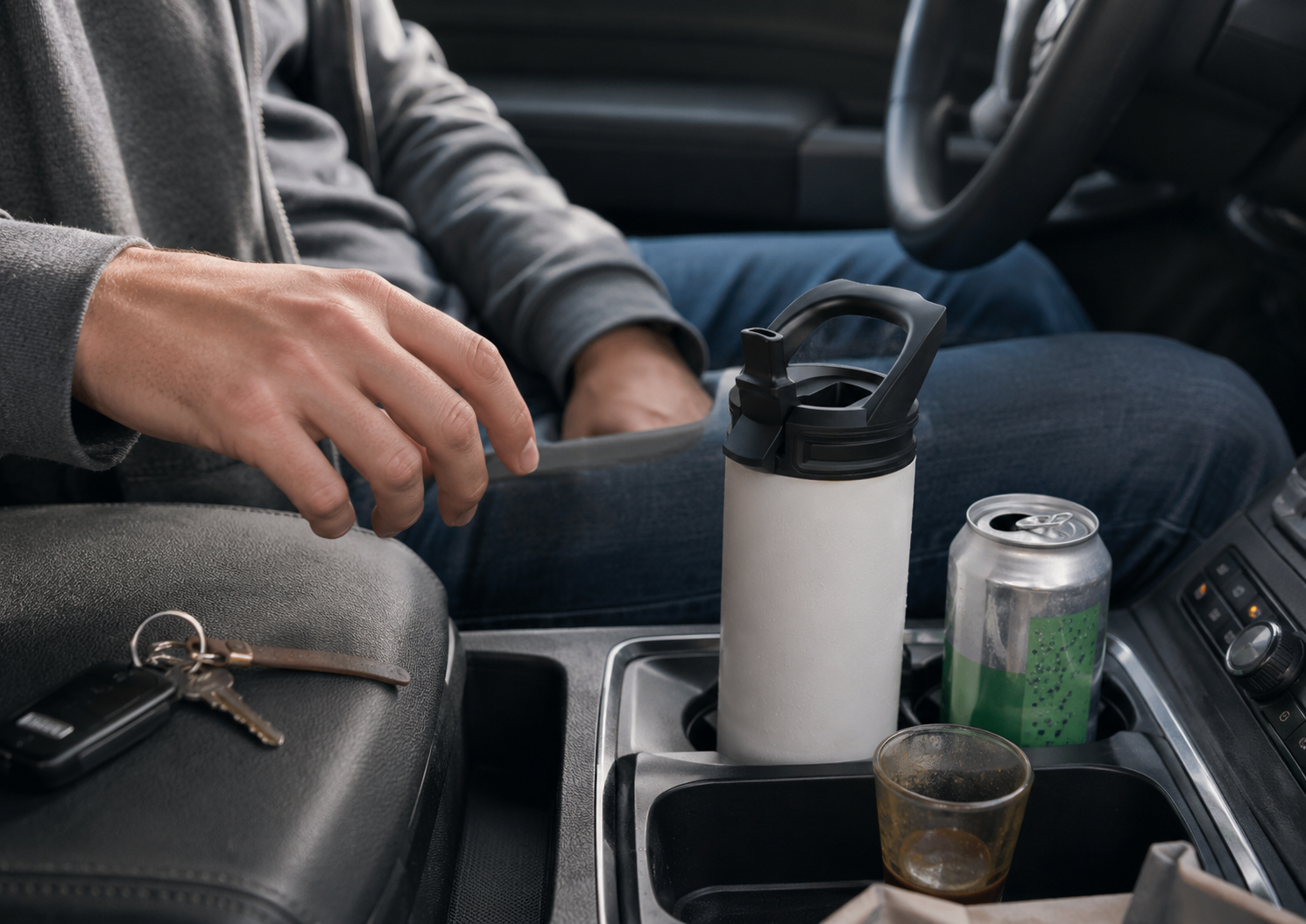
How to Keep Iced Coffee Cold Without Ice
Iced coffee tastes best when it is cold, bold, and refreshing.
But there is one common problem: ice melts.
At first, ice makes your coffee feel colder and more refreshing. But after a few minutes, it starts to melt into the drink. As more ice melts, your coffee becomes weaker, thinner, and less flavorful.
That is why many iced coffee drinks taste great at the beginning but watery by the time you finish them.
If you love iced coffee but do not like the diluted taste, the goal is simple: keep your drink cold without adding extra water.
The good news is that there are several easy ways to do this.
Why Ice Waters Down Iced Coffee
Ice cools your coffee by absorbing heat from the drink. As the ice absorbs heat, it melts. Once it melts, it becomes water inside your coffee.
That extra water changes the flavor.
Your coffee may start to taste:
-
weaker
-
thinner
-
less creamy
-
less sweet
-
less balanced
-
more watery
This is even more noticeable if your drink includes milk, cream, syrup, or flavoring. When ice melts, it does not only dilute the coffee. It also dilutes everything else in the cup.
That means your carefully made drink may not taste the same after 15 or 20 minutes.
For people who sip slowly at a desk, in the car, or outside on a warm day, this can be frustrating.
Start With Cold Coffee
One of the easiest ways to keep iced coffee cold without using too much ice is to start with coffee that is already chilled.
If you pour hot coffee directly into a cold cup, it takes more cooling power to bring the temperature down. If you pour hot coffee over ice, the ice melts quickly.
Instead, try brewing your coffee ahead of time and placing it in the refrigerator.
This gives you a better starting point. When the coffee is already cold, it needs less help to stay refreshing.
You can prepare coffee the night before and store it in a sealed bottle or jar in the fridge. In the morning, pour it into your cup and enjoy it cold without needing a full cup of ice.
Try Cold Brew
Cold brew is another good option if you want a smoother cold coffee routine.
According to the National Coffee Association, iced coffee is usually brewed hot and then cooled down, while cold brew is made with room-temperature or cooler water over a longer period.
Because cold brew is often made stronger or more concentrated, it can handle dilution better than regular iced coffee. Some people still serve it over ice, but you can also enjoy it chilled without adding ice directly into the drink.
Cold brew is especially useful if you want a ready-to-pour coffee option for busy mornings.
You can make a batch, keep it in the refrigerator, and pour it when you are ready.
Use Coffee Ice Cubes
If you still want the feeling of ice but do not want plain water in your drink, coffee ice cubes can help.
The idea is simple: freeze coffee into ice cube trays. Then use those cubes in your iced coffee.
As the cubes melt, they add coffee instead of water.
This helps your drink stay closer to its original flavor.
Coffee ice cubes work well, but they do require planning. You need extra coffee, an ice tray, and freezer space. You also need to remember to make them ahead of time.
For people who enjoy preparing their drinks in advance, this is a smart option. For people who want something easier every day, it may feel like one more step.
Chill Your Cup Before Use
Another simple trick is to chill your cup before adding coffee.
A warm cup can make your drink warm up faster. A cold cup helps your drink stay colder from the beginning.
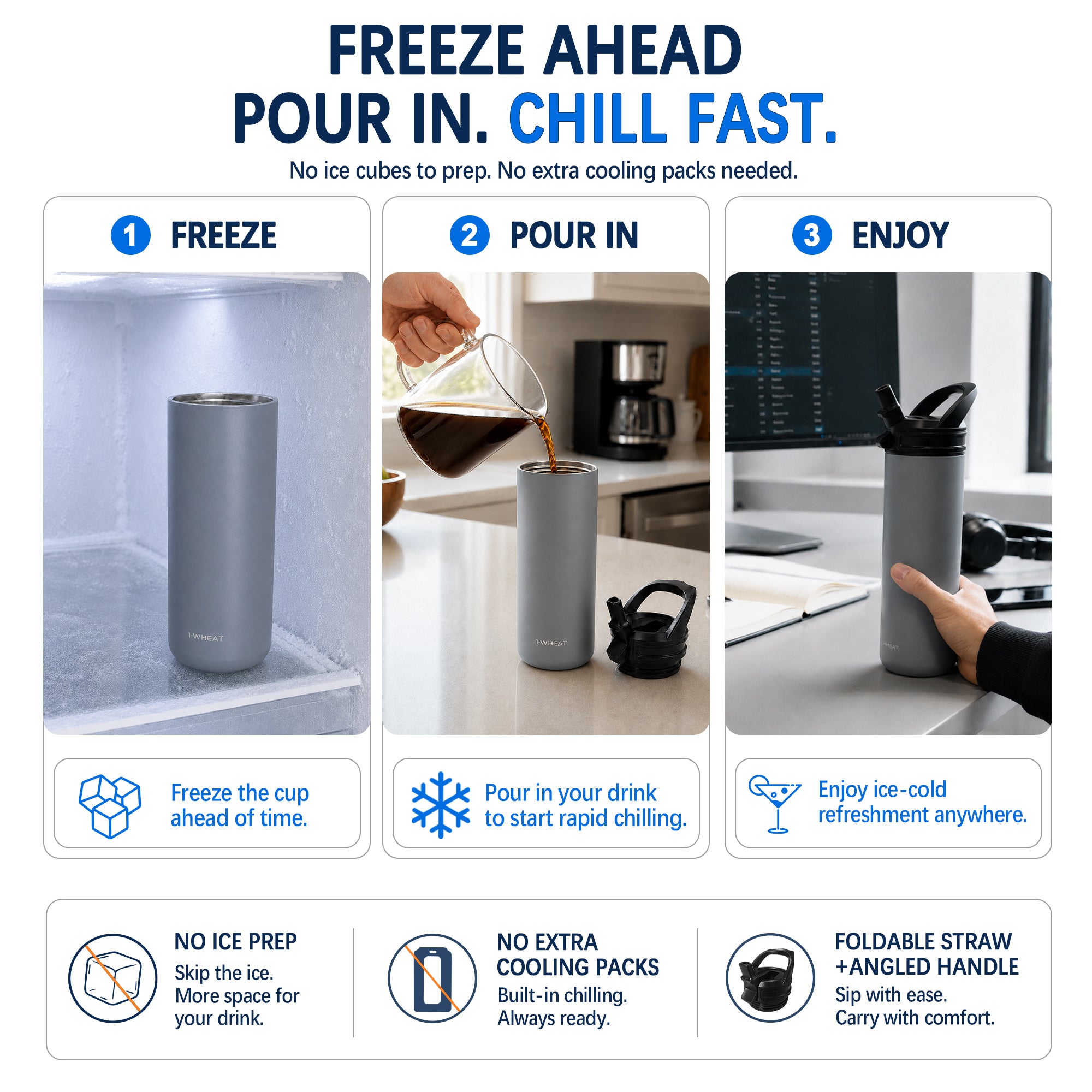
You can place your cup in the refrigerator or freezer before use, depending on the cup material and product instructions.
This method does not add water to your coffee. It simply helps create a colder drinking environment.
However, a regular chilled cup may not stay cold for very long. It can help at the start, but it may not be enough if you want to sip your coffee slowly over a longer period.
Use an Insulated Cup
An insulated cup can help slow down temperature changes.
If your coffee is already cold, an insulated cup can help it stay cold longer than a regular glass or plastic cup. This is useful for work, commuting, outdoor time, and slow sipping.
But there is one important difference: most insulated cups are designed to maintain temperature. They are not always designed to rapidly chill a room-temperature drink.
That means if your coffee starts warm, an insulated cup may not make it cold quickly. It can help hold cold drinks cold, but it may not solve the full problem by itself.
For best results, use an insulated cup with coffee that is already chilled.
Choose a Cup That Chills Without Ice
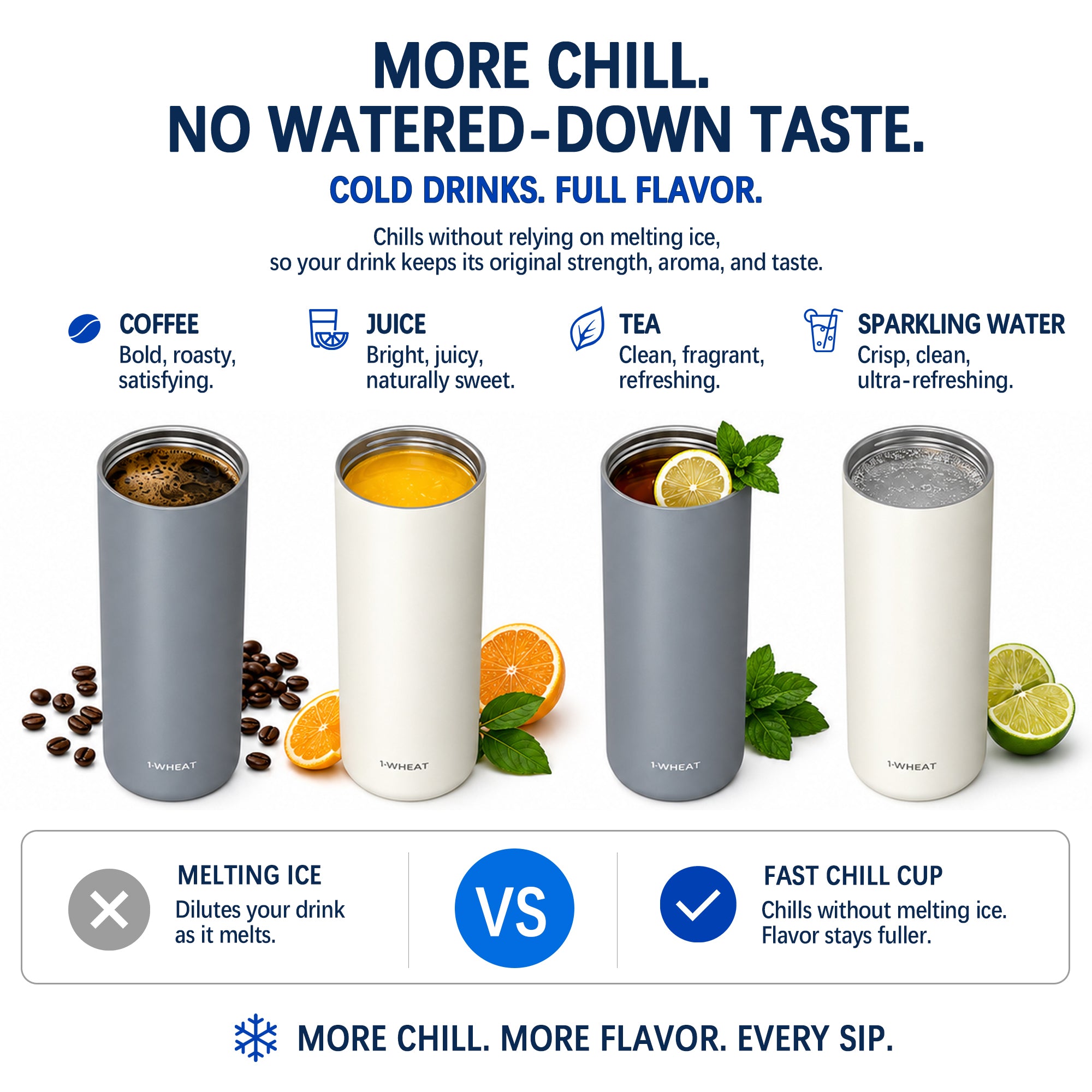
If you want cold iced coffee without relying on ice, a rapid-chill cup can be a better solution.
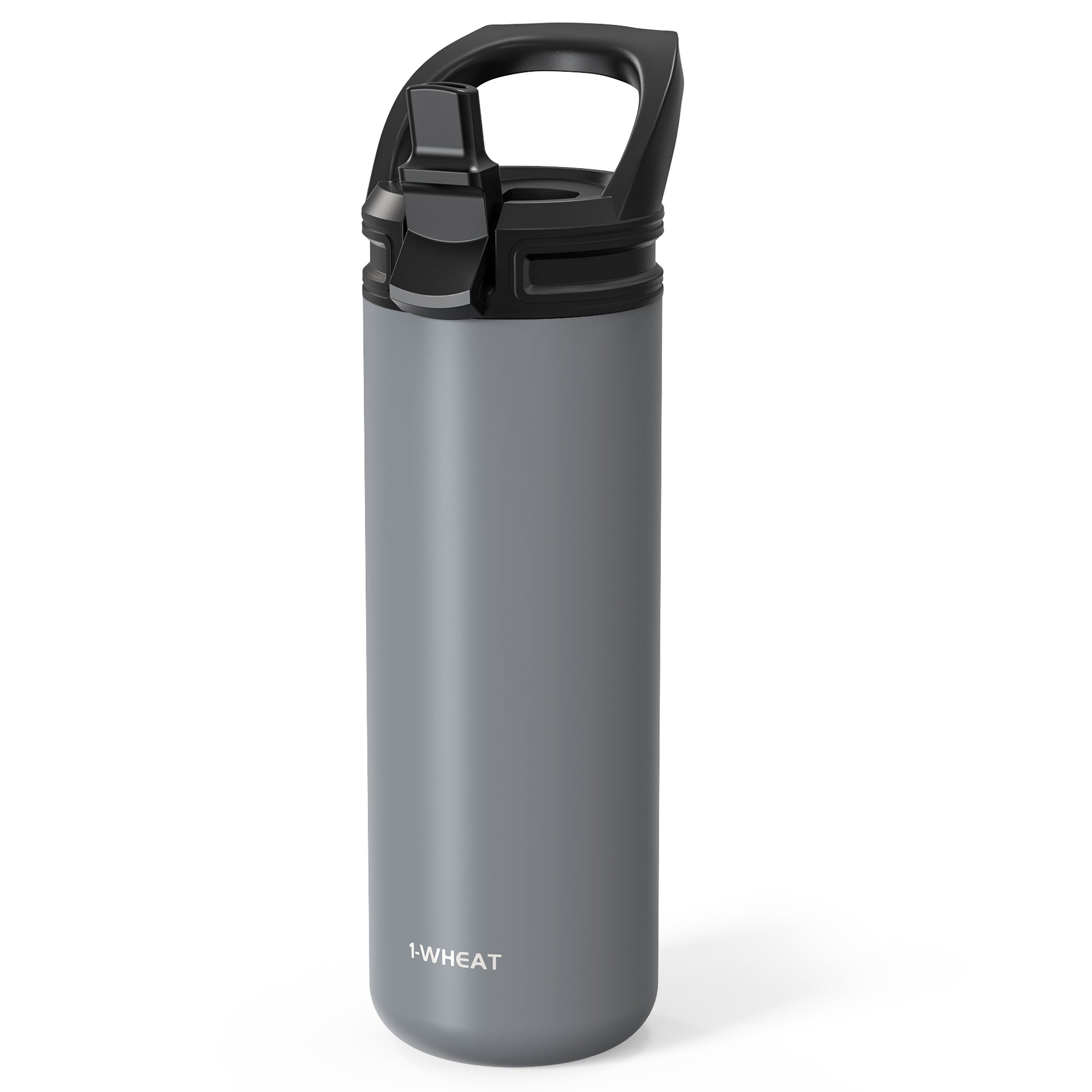
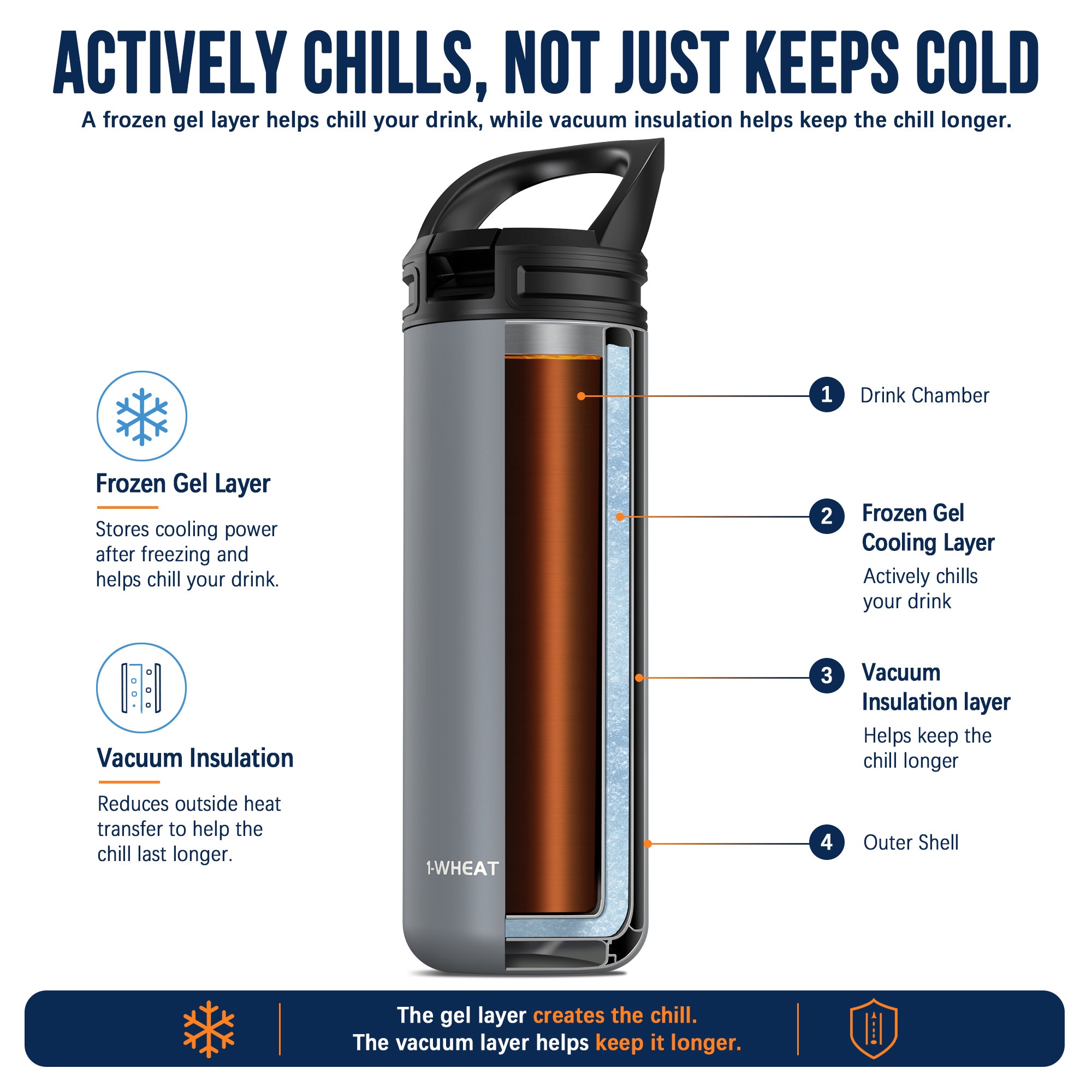
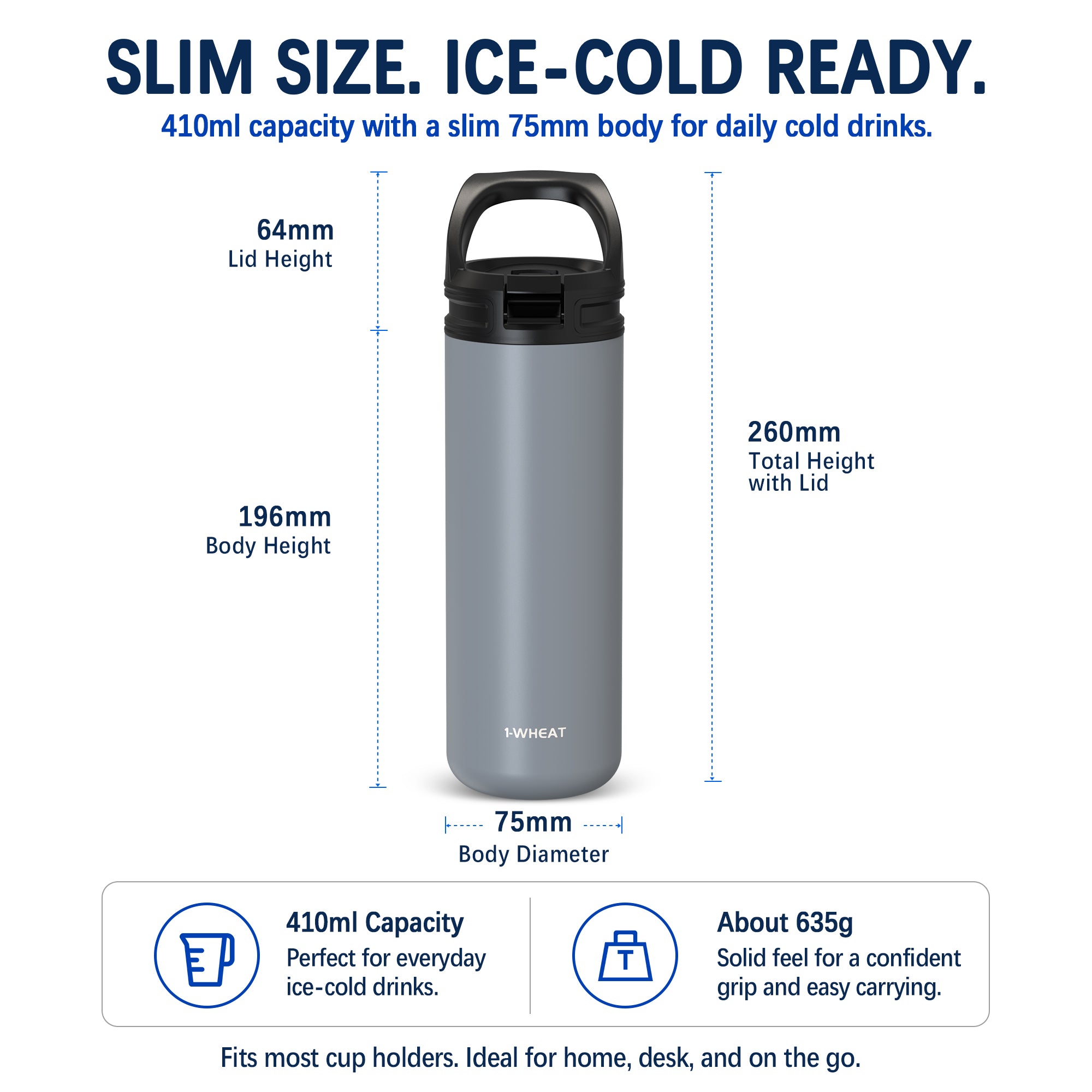
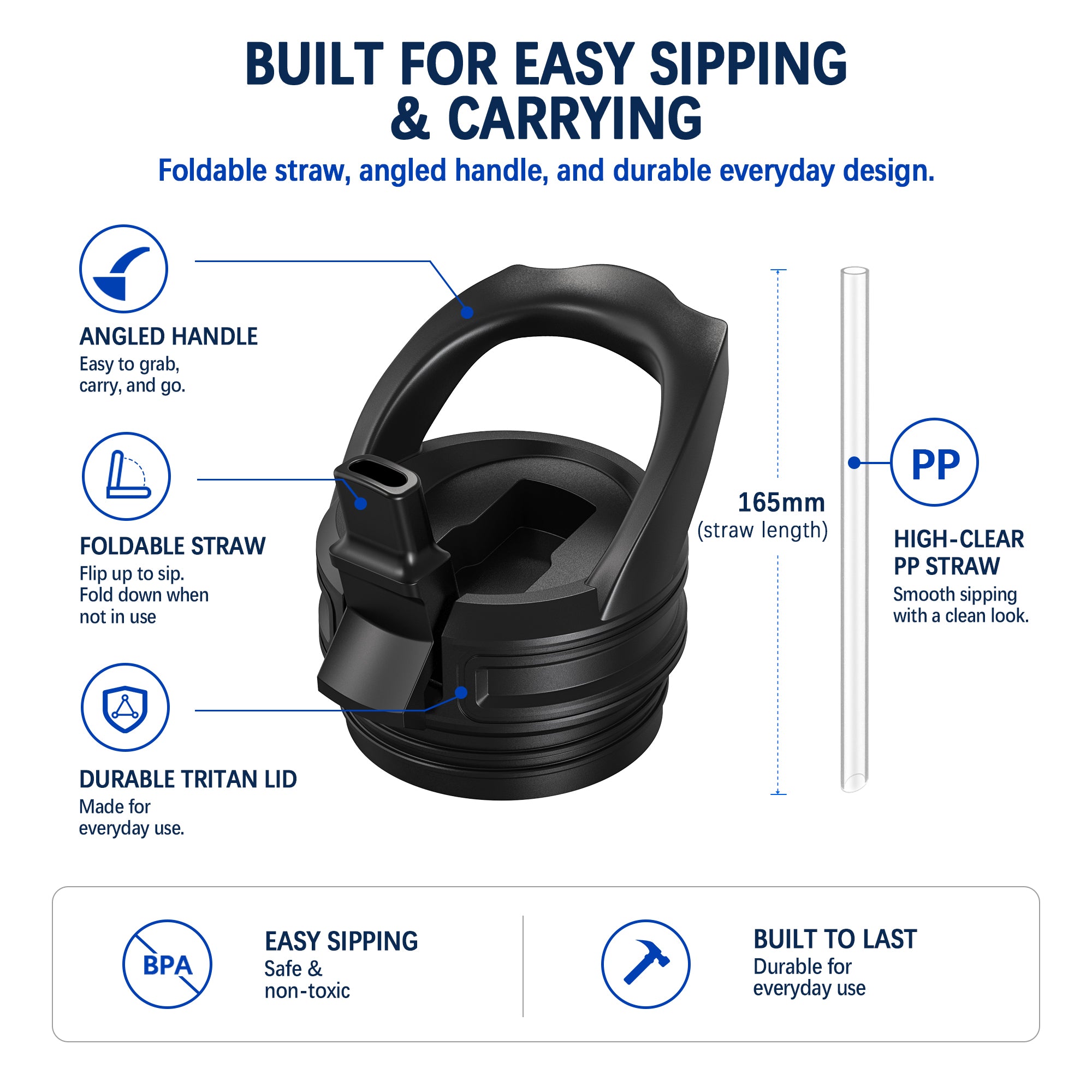
The DISONCARE Rapid-Chill Cup is designed to help pull drinks into a colder, more refreshing zone without adding ice directly into the drink.
Instead of filling your coffee with ice cubes, the cup itself helps cool the drink. This can reduce dilution and help your coffee keep a more consistent taste from the first sip to the last.
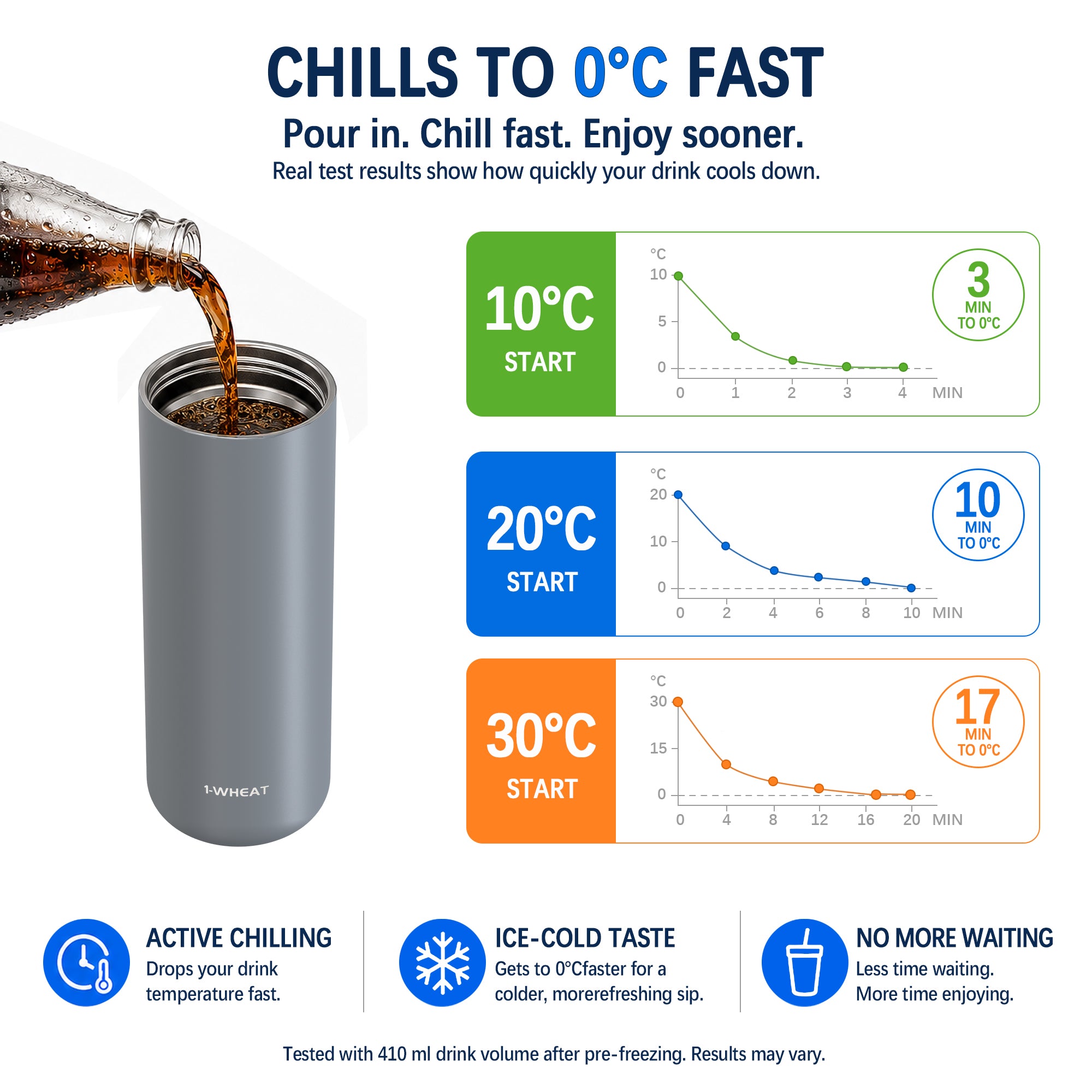
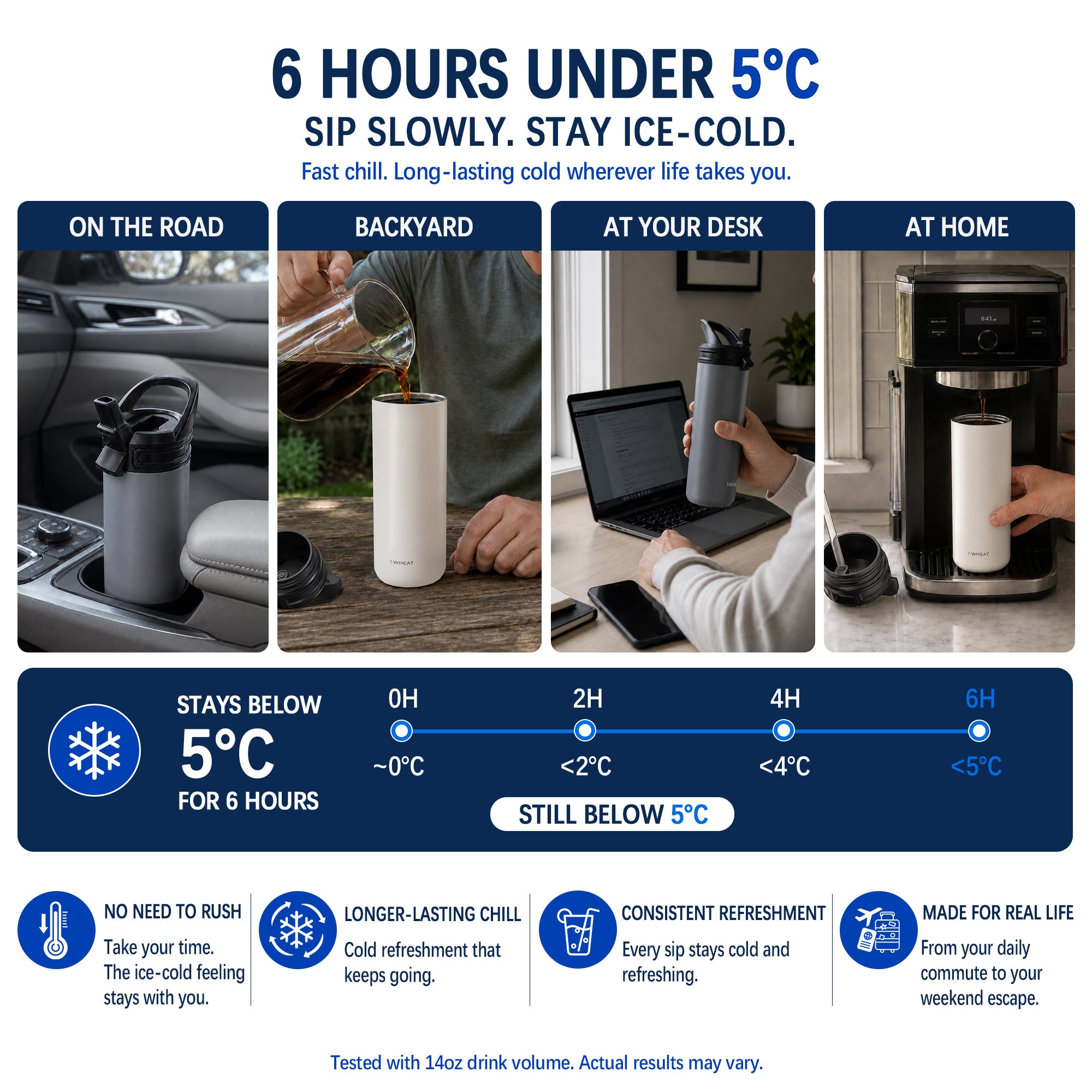
Under controlled test conditions, a 14oz drink can chill to 0°C in about 10 minutes. The cup can also stay below 5°C for up to 6 hours under controlled test conditions.
Actual performance may vary depending on the starting drink temperature, room temperature, drink volume, and how often the lid is opened.
The core idea is simple:
No ice needed. No dilution. Still refreshing.
For iced coffee lovers, that means you can enjoy a cold drink without watching it slowly turn watery.
Best Times to Use a Rapid-Chill Cup
A rapid-chill cup is especially useful when you want your drink to stay cold while you sip slowly.
It works well for:
-
iced coffee at your desk
-
cold brew during work-from-home days
-
coffee in the car
-
backyard afternoons
-
summer errands
-
post-workout drinks
-
iced tea, matcha, lemonade, or juice
These are the moments when regular ice often melts too fast.
Instead of adding more ice again and again, you can keep the drink cold in a cleaner, simpler way.
A Quick Note About Dairy-Based Coffee Drinks
If your iced coffee contains milk, cream, or other perishable ingredients, food safety still matters.
The FDA recommends keeping refrigerated foods at 40°F / 4°C or below. The USDA also explains that perishable foods should be handled carefully when they are in the temperature danger zone.
A cold cup can help improve your drinking experience, but it should not replace basic food safety habits. If a dairy-based drink has been sitting out too long in warm conditions, use common sense.
Final Thoughts
Keeping iced coffee cold without ice is really about reducing dilution.
Ice can make coffee cold, but it also melts into the drink. That melted ice becomes extra water, and extra water changes the flavor.
To keep your iced coffee tasting better, start with chilled coffee, try cold brew, use coffee ice cubes, chill your cup, or use a cup designed to cool drinks without adding ice.
The DISONCARE Rapid-Chill Cup gives iced coffee drinkers a simple everyday option: a cold, refreshing drink without the weak, watery finish.
Cold coffee should taste like coffee.
Not coffee mixed with melted ice.
FAQ
Can iced coffee stay cold without ice?
Yes. You can keep iced coffee cold without ice by starting with chilled coffee, using an insulated cup, using coffee ice cubes, or choosing a rapid-chill cup designed to cool drinks without adding water.
What is the best way to keep iced coffee from getting watery?
The best way is to reduce melting ice. You can use less ice, use coffee ice cubes, or use a rapid-chill cup that helps cool the drink without adding extra water.
Does cold brew need ice?
Cold brew does not always need ice. If it is already chilled, you can drink it directly from the refrigerator or pour it into a cold cup.
Can I put hot coffee into a rapid-chill cup?
Always follow the product instructions for your specific cup. For best taste and cooling performance, starting with room-temperature or pre-cooled coffee usually gives a better iced coffee experience.
Can I use the DISONCARE Rapid-Chill Cup for drinks besides coffee?
Yes. It can be used for iced tea, matcha, lemonade, juice, cold brew, and many other cold drinks.