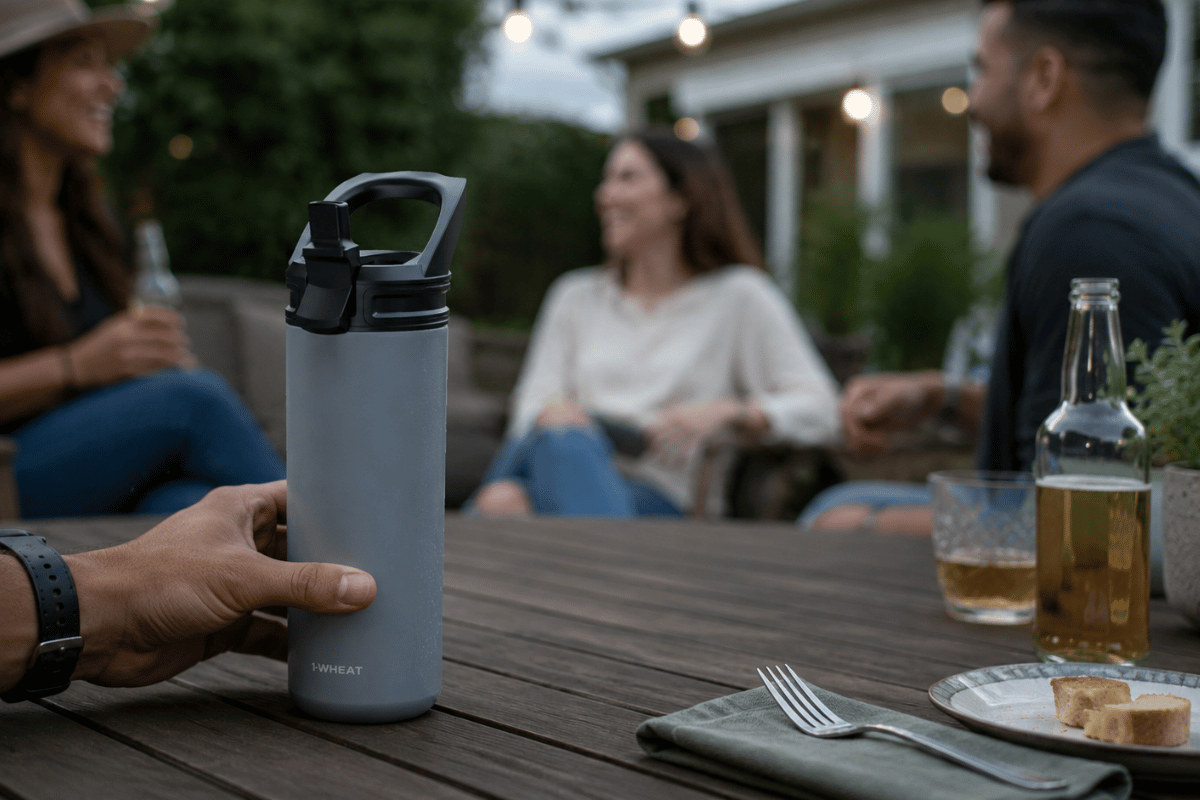
Iced coffee should taste cold, bold, and refreshing. But if you drink it often, you probably know what happens after a few minutes.
The first sip tastes great.
Then the ice starts to melt.
Soon, the coffee tastes weaker, thinner, and less satisfying.
This happens because ice does two things at the same time. It makes your drink cold, but it also melts into your drink. Once the ice melts, it becomes extra water inside your coffee.
That extra water changes the flavor, the strength, and the overall drinking experience.
For coffee lovers, this can be frustrating. You make or buy a drink that tastes good at first, but it slowly turns watery before you finish it.
The good news is that there are simple ways to reduce dilution and keep your iced coffee tasting better for longer.

Why Ice Makes Iced Coffee Taste Weak
The main reason iced coffee gets watered down is simple: melting ice adds water.
When you pour coffee over ice, the ice starts absorbing heat from the drink. That is how the drink becomes colder. But as the ice melts, it does not disappear. It becomes part of your coffee.
At first, the drink may still taste balanced. But over time, more ice melts and more water mixes into the coffee.
This can make the drink taste:
-
less bold
-
less rich
-
less creamy
-
less sweet
-
less balanced
-
more flat or watery
If your iced coffee includes milk, cream, syrup, or flavoring, those ingredients also become diluted. That means the whole drink changes, not just the coffee.
This is why many iced coffee drinks taste best right after they are made. The longer they sit with ice, the more the flavor changes.
Iced Coffee and Cold Brew Are Not the Same
Iced coffee and cold brew are often used in similar situations, but they are not the same drink.
According to the National Coffee Association, iced coffee is usually brewed hot and then cooled down. Cold brew is made with room-temperature or cooler water over a longer brewing time.
This difference matters because cold brew is often made stronger or more concentrated. It is usually designed to handle some dilution from water, milk, or ice.
Regular iced coffee may not always be brewed strong enough to handle a full cup of melting ice. If you brew hot coffee at a normal strength and pour it over ice, the final drink can become too weak as the ice melts.
That does not mean iced coffee is bad. It just means it needs the right cooling method if you want the flavor to stay consistent.
Why Adding More Ice Does Not Fully Solve the Problem
A common solution is to add more ice.
This can help keep the drink cold for a longer time, but it also creates another problem. More ice can mean more melted water.
If you drink your coffee quickly, this may not bother you. But if you like to sip slowly at your desk, in the car, or outside on a warm day, the flavor can change a lot before you finish.
More ice can also take up space in the cup. You may feel like you are getting a full drink, but much of the cup is filled with ice instead of coffee.
As the ice melts, your drink may become larger in volume but weaker in taste.
That is why more ice is not always the best answer. It keeps the drink cold, but it does not protect the flavor.
Coffee Ice Cubes Can Help, But They Take Extra Prep
One popular trick is to freeze leftover coffee into ice cubes. Then, when the cubes melt, they melt into coffee instead of plain water.
This can help reduce the watery taste.
However, coffee ice cubes are not always convenient. You need to make them ahead of time, store them in the freezer, and remember to use them before they absorb freezer smells or lose freshness.
For people who enjoy planning ahead, coffee ice cubes can be useful. But for everyday routines, many people want something simpler.
The better goal is not always better ice. Sometimes, the better goal is using less ice in the first place.
How to Keep Iced Coffee From Getting Watery
There are a few simple ways to keep your iced coffee tasting better.
1. Brew your coffee slightly stronger
If you know you will pour coffee over ice, brew it a little stronger than usual. This helps the drink keep more flavor after some ice melts.
2. Let hot coffee cool first
Pouring very hot coffee directly over ice melts the ice quickly. Letting the coffee cool for a few minutes before adding ice can reduce fast dilution.
3. Use coffee ice cubes
If you have time to prepare them, coffee ice cubes are a good way to avoid adding plain water to your drink.
4. Use less ice when possible
If your cup can help keep the drink cold, you may not need as much ice.
5. Choose a cup designed to chill without dilution
A rapid-chill cup can help cool your drink without relying on ice inside the coffee.
A Better Way to Chill Coffee Without Watering It Down
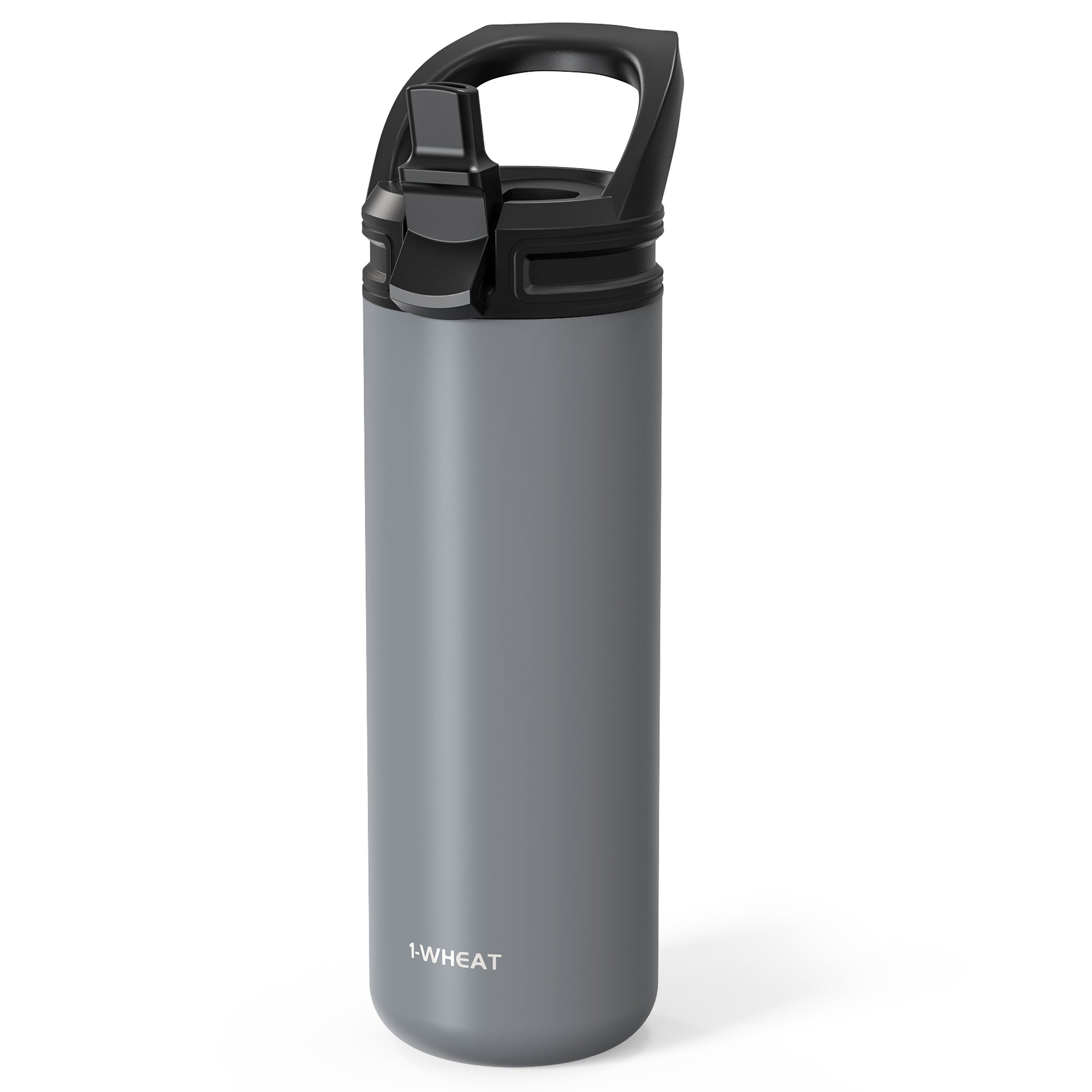
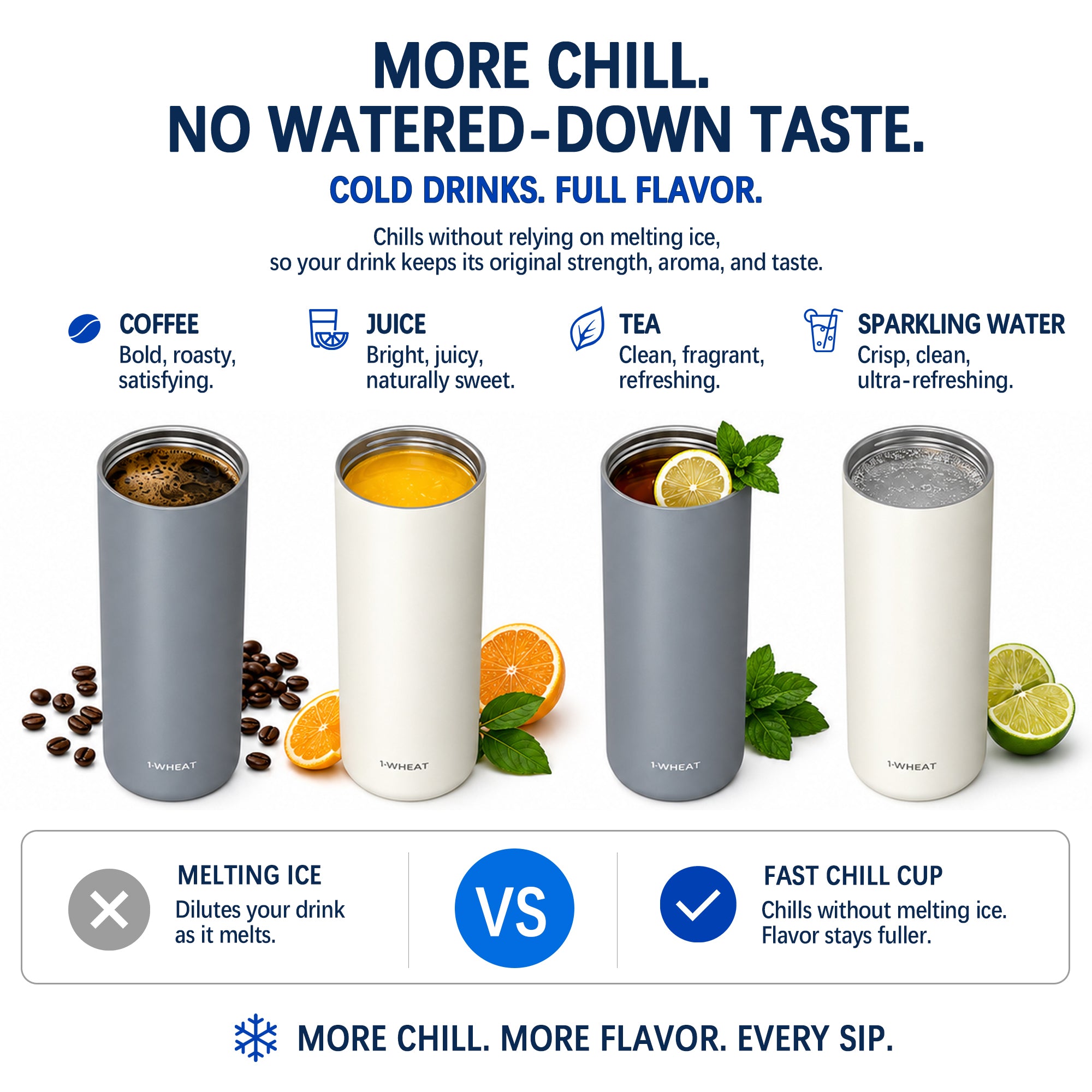
The DISONCARE Rapid-Chill Cup is designed for people who want cold drinks without the usual watered-down taste.
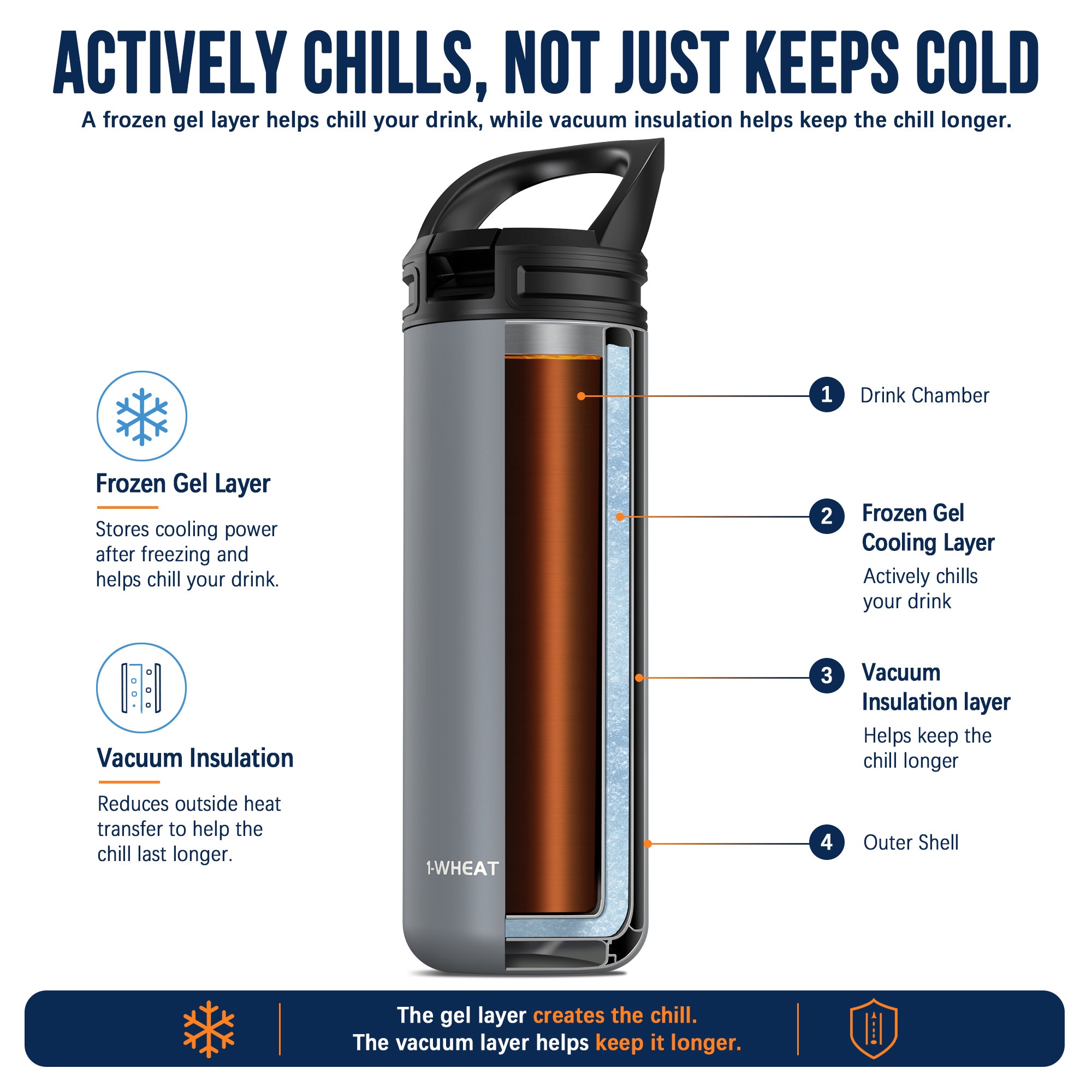
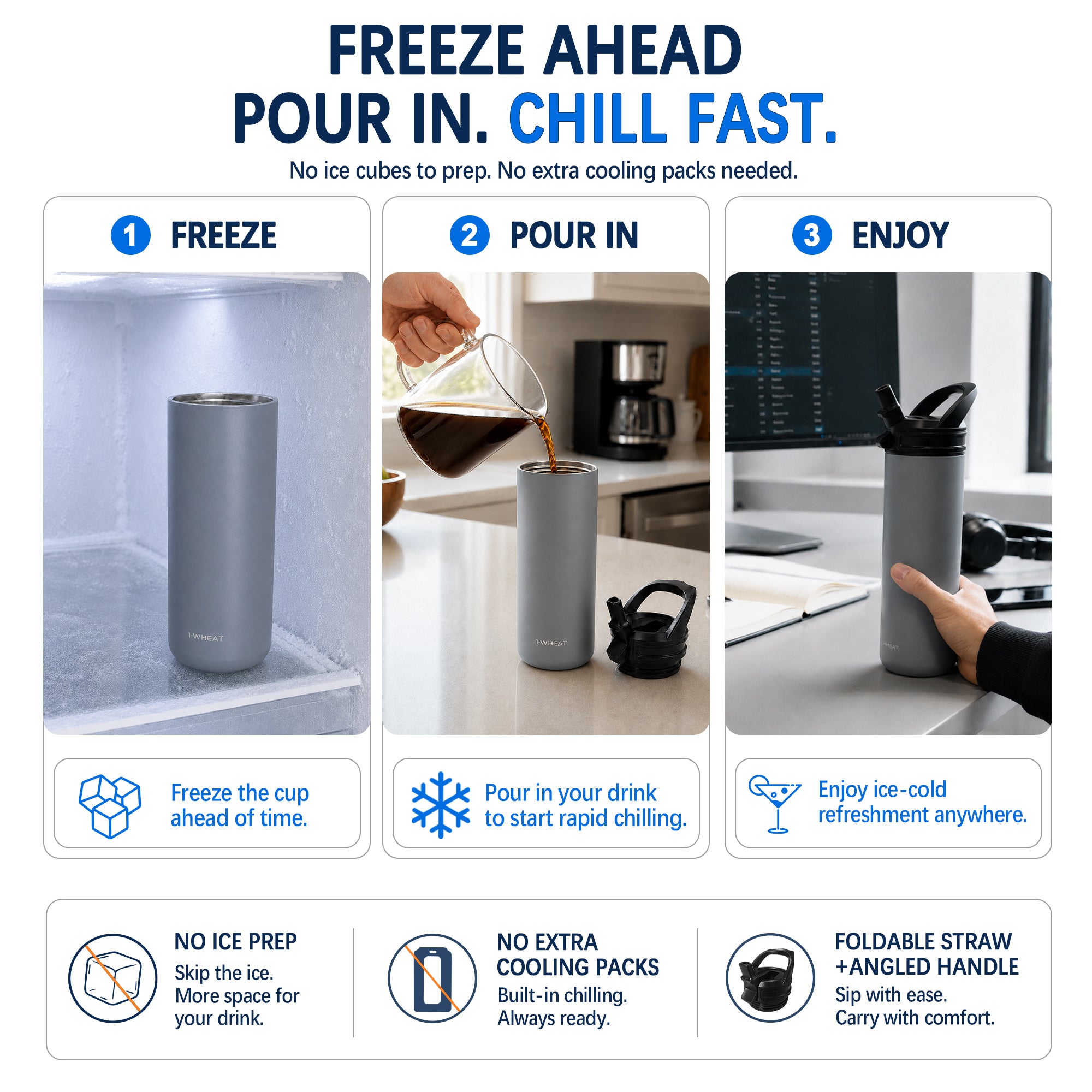
Instead of filling your drink with ice, the cup helps pull the drink into a colder, more refreshing zone through the cup itself. This helps reduce the need for ice and keeps the drink closer to its original flavor.
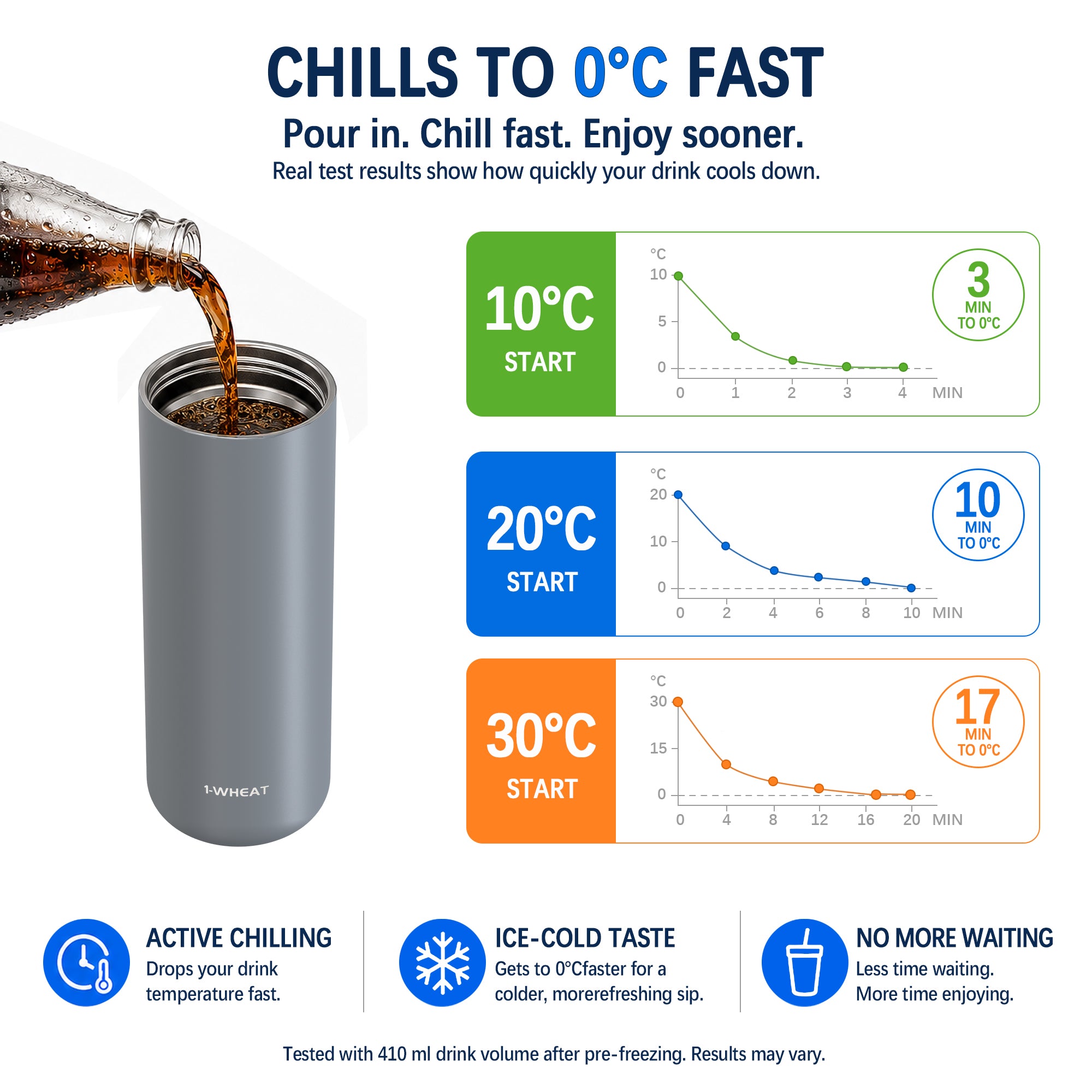
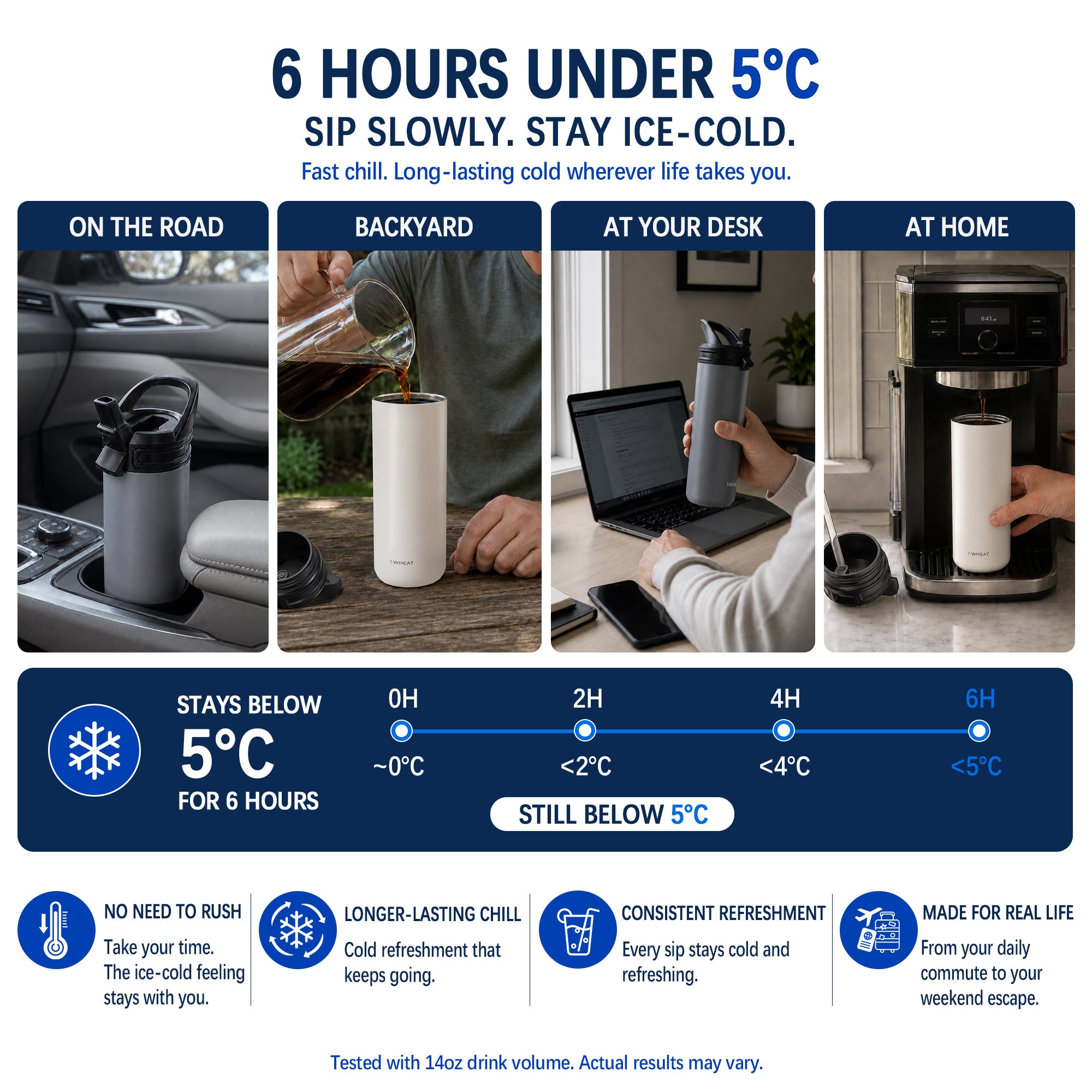
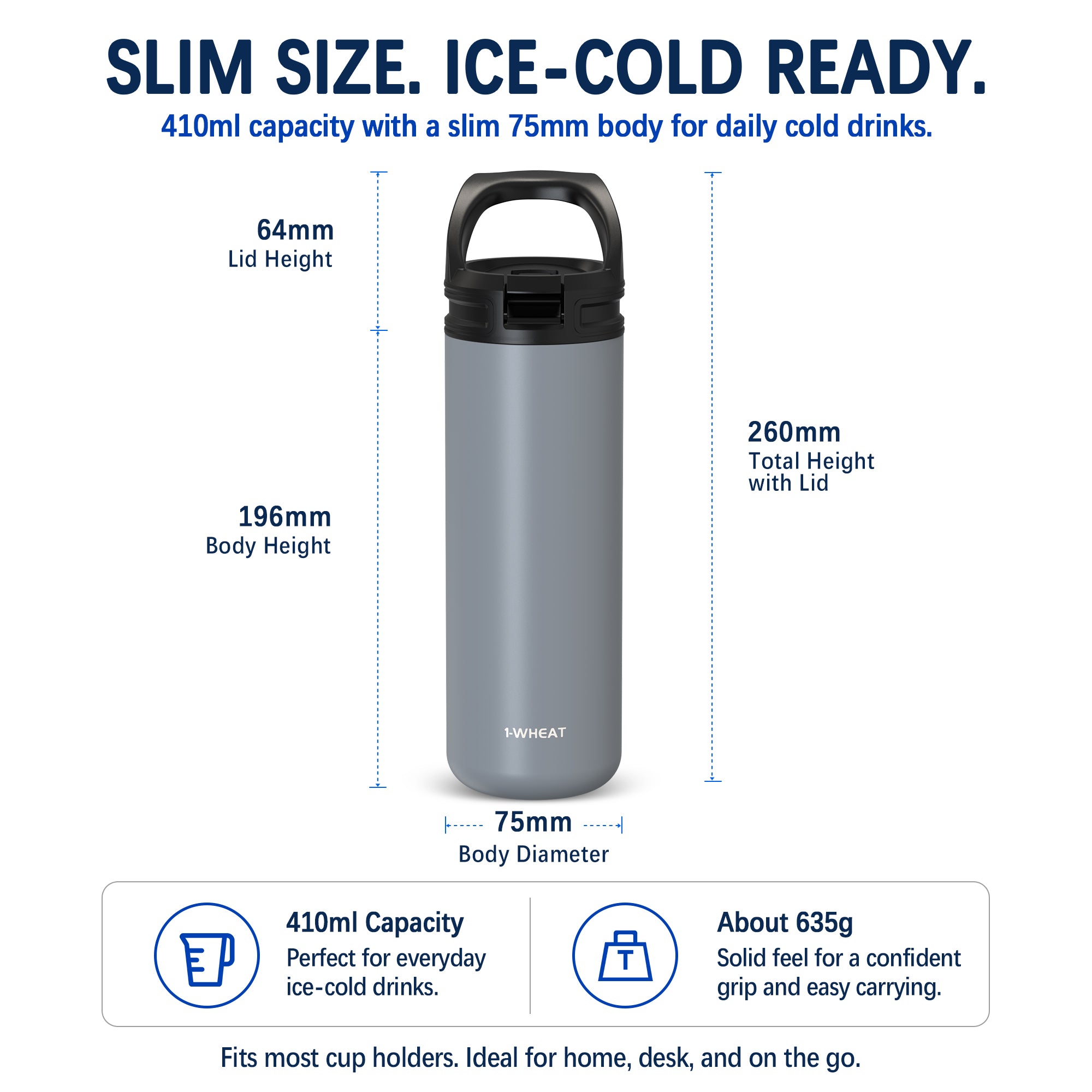
Under controlled test conditions, a 14oz drink can chill to 0°C in about 10 minutes. The cup can also stay below 5°C for up to 6 hours under controlled test conditions.
Actual performance may vary depending on the starting drink temperature, room temperature, drink volume, and how often the lid is opened.
The idea is simple:
No ice needed. No dilution. Still refreshing.
For iced coffee, this means the flavor can stay more consistent from the first sip to the last.

When a Rapid-Chill Cup Makes the Most Sense
A rapid-chill cup is especially helpful when you want to enjoy cold drinks slowly.
It works well for:
-
iced coffee at your desk
-
cold brew during work-from-home days
-
backyard afternoons
-
road trips
-
summer errands
-
post-workout drinks
-
iced tea, matcha, lemonade, juice, and flavored drinks
These are the moments when regular ice often melts too fast. Instead of rushing to finish your drink before it gets watery, you can enjoy it at a more natural pace.
For people who care about taste, not just temperature, reducing dilution makes a real difference.
A Quick Note About Dairy-Based Drinks
If your iced coffee contains milk, cream, or other perishable ingredients, it is still important to handle it properly.
The FDA recommends keeping refrigerated foods at 40°F / 4°C or below. The USDA also provides guidance on keeping cold foods safely chilled.
A cold cup can improve your drinking experience, but it should not replace basic food safety habits. If a dairy-based drink has been sitting out too long in warm conditions, use common sense.
Final Thoughts
Iced coffee gets watered down because ice melts. As the ice melts, it adds extra water to your drink. That extra water changes the flavor, strength, and balance of your coffee.
You can reduce dilution by brewing stronger coffee, cooling hot coffee before serving, using coffee ice cubes, or choosing a cup that helps chill drinks without adding ice.
The DISONCARE Rapid-Chill Cup gives iced coffee lovers a simpler everyday option. It helps keep drinks cold without watering them down, so your coffee can taste closer to the way you made it.
Cold. Bold. Refreshing.
Without the weak, watery finish.
FAQ
Why does iced coffee taste watery?
Iced coffee tastes watery because ice melts into the drink. As the ice melts, it adds extra water and weakens the coffee flavor.
How can I keep iced coffee cold without ice?
You can chill the coffee before serving, use coffee ice cubes, or use a rapid-chill cup designed to cool drinks without adding extra water.
Does cold brew get watered down too?
Yes. Cold brew can still get watered down if served over melting ice. However, cold brew is often made stronger, so it may handle dilution better than regular iced coffee.
Is more ice better for iced coffee?
More ice can keep coffee cold longer, but it can also add more water as it melts. This may make the drink taste weaker over time.
Can I use the DISONCARE Rapid-Chill Cup for drinks besides coffee?
Yes. It can be used for iced tea, matcha, lemonade, juice, cold brew, and many other cold drinks.