
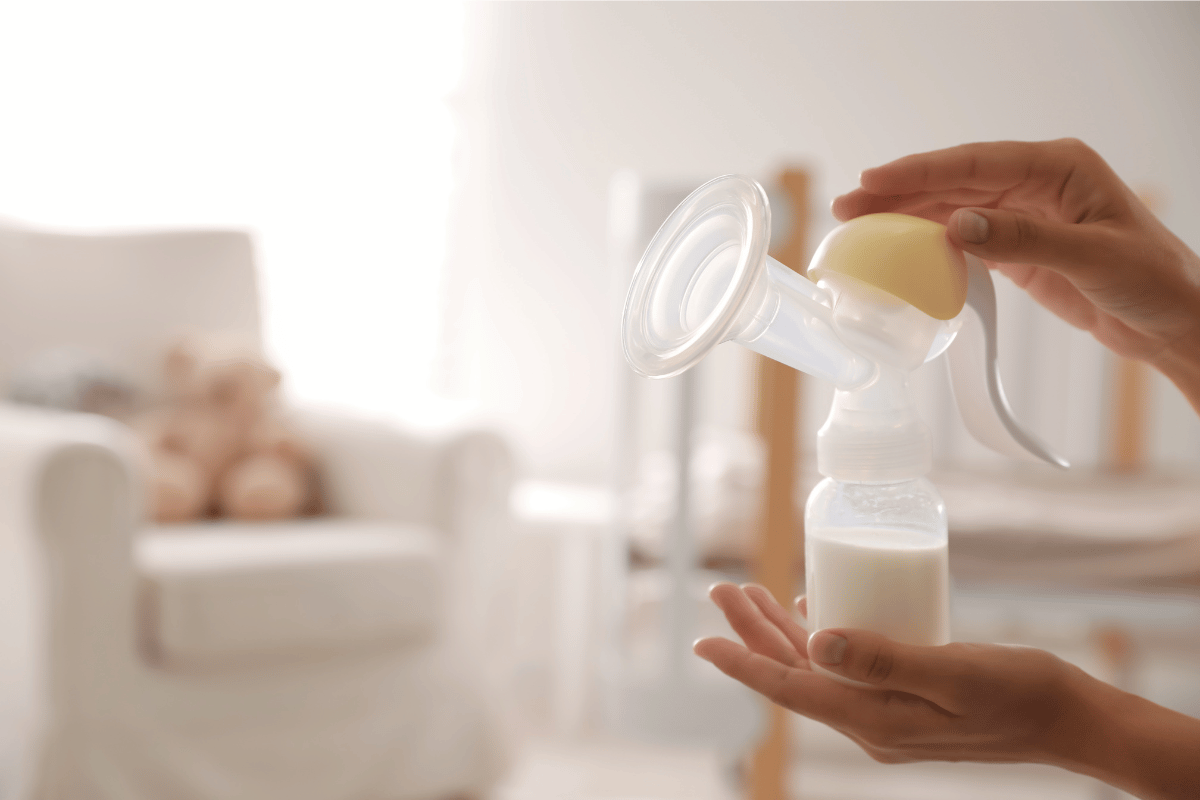
Una guía práctica y tranquila para mamás que amamantan
Un corte de energía puede ser estresante, especialmente cuando el congelador está lleno de leche materna extraída con cuidado. ¿La buena noticia? En la mayoría de los casos, su leche puede permanecer segura durante horas o incluso días si se manipula adecuadamente.
Esta guía le muestra qué hacer durante un corte de energía. Explica cuánto tiempo permanece segura la leche materna congelada.
Aprenderá cuándo trasladar la leche a una hielera. También cubre cómo frigoríficoes de leche materna de DISONCARE puede proteger su suministro. Esto es útil durante emergencias, viajes o cortes inesperados.
Respira hondo: lo tienes. 🤍
¿Cuánto tiempo puede permanecer segura la leche materna congelada durante un corte de energía?
Si su congelador permanece cerrado, la leche materna congelada puede seguir siendo segura para:
🧊 Un congelador lleno:
- hasta 48 horas sin poder
🧊 Un congelador medio lleno:
- Acerca de 24 horas sin poder
Si la leche todavía tiene cristales de hielo o se siente fría (40 °F / 4 °C o menos), generalmente es seguro volver a congelarla o usarla.
Importante:
- NO abra el congelador innecesariamente.
- Cada apertura libera aire frío y acorta el tiempo de seguridad.
Si la leche se descongela por completo y se calienta, úsala dentro de las 24 horas siguientes si la refrigeras. Si permanece por encima de una temperatura segura durante demasiado tiempo, deséchelo.
Referencias:
- Pautas de almacenamiento de leche materna de los CDC
- https://www.cdc.gov/breastfeeding/recommendations/handling_breastmilk.htm
- Seguridad alimentaria del USDA durante cortes de energía
- https://www.foodsafety.gov/food-safety-charts/food-safety-during-power-outage
Qué hacer inmediatamente cuando se corta la energía
✅ Paso 1: Mantenga el congelador cerrado
Resiste la tentación de comprobarlo. Un congelador cerrado conserva las temperaturas frías por mucho más tiempo.
✅ Paso 2: verifique la duración estimada de la interrupción
- Corte breve (menos de 12 horas): Por lo general, no es necesario realizar ninguna acción si el congelador permanece cerrado.
- Interrupción prolongada (de 12 a 48 horas o más): Prepare refrigeración de respaldo.
✅ Paso 3: Prepare el enfriamiento de emergencia
Si anticipa una interrupción prolongada:
- Reúna bolsas de hielo o botellas de agua congelada.
- Prepare hieleras aisladas si es necesario.
Aquí es donde tener un frigorífico portátil de grado médico ya en casa se vuelve extremadamente valioso.
Referencias:
- Seguridad alimentaria de la FDA en fallas de energía
- https://www.fda.gov/food/consumers/food-safety-during-power-outage
- Preparación para emergencias de los CDC para familias
- https://www.cdc.gov/emergency
¿Cuándo debería trasladar la leche materna a una hielera?
Mueva la leche a una hielera si:
- Se espera que la potencia supere 24 horas
- La temperatura del congelador comienza a subir
- Necesita transportar leche a otro lugar (amigo, hospital, lugar con energía)
🧊 Mejores prácticas para el almacenamiento en frigoríficoes
- Utilice varias bolsas de hielo
- Mantenga la hielera bien cerrada
- Evite la apertura frecuente
- Coloque la leche en bolsas selladas impermeables.
Un frigorífico de alto rendimiento, como Enfriador de leche materna de DISONCARE, mantiene temperaturas seguras por más tiempo que los frigoríficoes para almuerzos normales. Este producto sirve para líquidos sensibles a la temperatura, como leche materna y suministros médicos.
Especialmente útil para:
✔️ Cortes de energía
✔️ Edificios de apartamentos con congeladores compartidos
✔️ Temporadas de huracanes o tormentas
✔️ Días de viaje
✔️ Madres trabajadoras que viajan con leche extraída
Referencias:
- Protocolo de almacenamiento de medicamentos de la Academia de Lactancia Materna
- https://abm.memberclicks.net
- Guía de manejo de leche de la Liga La Leche
- https://llli.org/breastfeeding-info/storing-human-milk/
¿Se puede volver a congelar la leche materna después de un corte de energía?
Sí, si todavía ves cristales de hielo, puede volver a congelar la leche materna de forma segura.
Sin embargo:
❌ Si la leche está completamente descongelada y tibia
❌ Si la temperatura excedió el rango seguro durante un tiempo prolongado
❌ Si no estás seguro de cuánto tiempo estuvo descongelado
Desechar es lo más seguro.
Etiquete la leche recongelada y úsela más temprano que tarde.
En caso de duda, priorice la seguridad sobre el desperdicio: la salud de su bebé es lo primero.
Referencias:
- Guía de los CDC para volver a congelar la leche materna
- https://www.cdc.gov/breastfeeding/recommendations/handling_breastmilk.htm
Cómo DISONCARE ayuda a proteger la leche materna durante emergencias
Los frigoríficoes de leche materna DISONCARE están diseñados para control preciso de la temperatura, ofreciendo protección confiable cuando la energía doméstica se vuelve impredecible.
🧊 Beneficios clave
- Aislamiento de grado médico
- Retención de frío duradera
- Compatible con la TSA para viajar
- Compacto y resistente a fugas
- Diseñado para leche materna, insulina y productos biológicos.
Muchas mamás mantienen uno como parte de su kit de emergencia para el hogar, lo que garantiza tranquilidad incluso durante cortes inesperados.
Referencias:
- Principios de almacenamiento a temperatura controlada de la OMS
- https://www.who.int
Bono: Lista de verificación de emergencia para la seguridad de la leche materna
✔️ Mantener el congelador cerrado
✔️ Seguimiento del tiempo de interrupción
✔️ Utilice un frigorífico de respaldo si es necesario
✔️ Mantener contacto con el hielo
✔️ Evite abrir la hielera con frecuencia
✔️ Vuelva a congelar solo si quedan cristales de hielo
✔️ Etiquetar y priorizar el uso
Pensamientos finales
Los cortes de energía no tienen por qué significar pérdida de leche materna. Con preparación, una toma de decisiones tranquila y las herramientas de enfriamiento adecuadas, puede proteger cada gramo que trabajó duro para bombear.
Un frigorífico confiable, como Enfriador de leche materna de DISONCARE, no es sólo para viajar. Una parte importante de estar lista para amamantar es la preparación.
Estás haciendo un trabajo increíble, mamá. 💛