
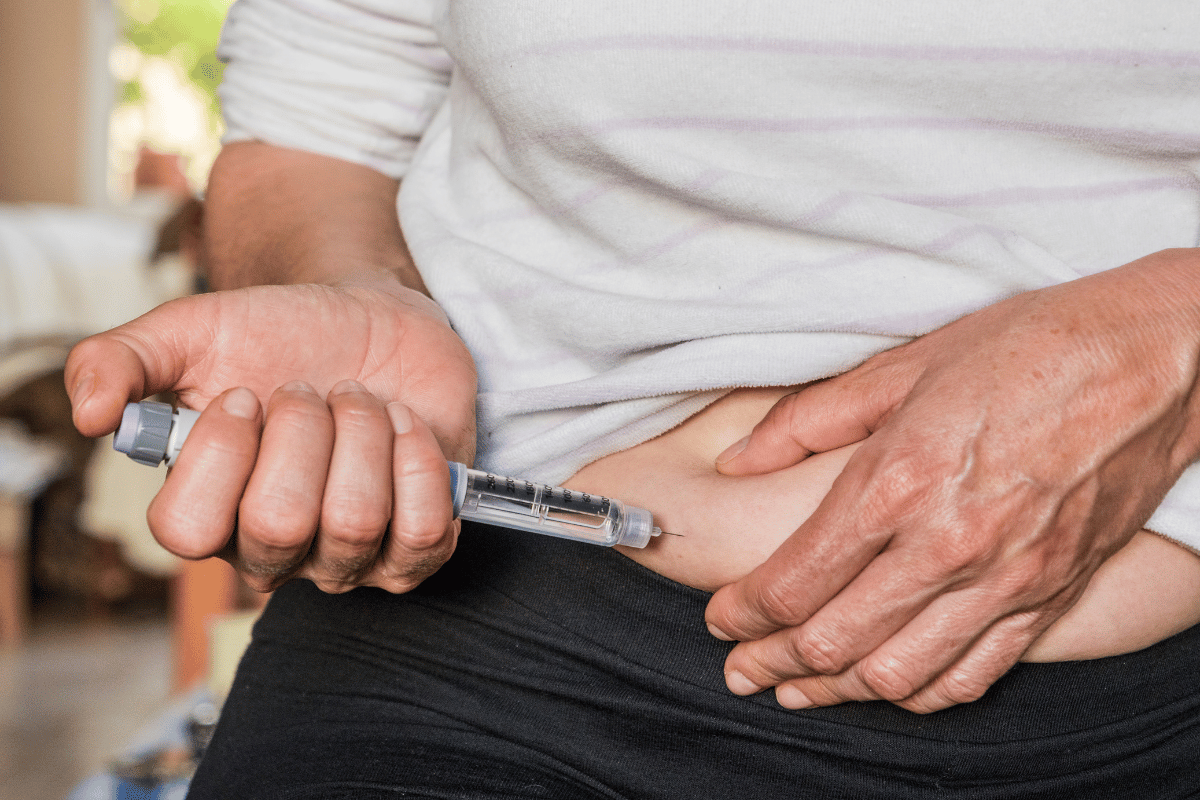
Si usa plumas de insulina con frecuencia (como respaldo de la bomba, para viajes o inyecciones diarias), es posible que se pregunte: puede tu reciclas esos bolígrafos? Dado que la sostenibilidad se vuelve cada vez más importante cada año, tiene sentido preguntar. Desafortunadamente, la respuesta no es tan simple como tirarlos al contenedor de reciclaje de la acera.
Esta guía explica Reciclaje de plumas de insulina en EE. UU.. El reciclaje es importante. Este texto explica lo que la gente puede reciclar. También muestra cómo deshacerse o reutilizar bolígrafos usados de forma segura.
🧪 ¿Las plumas de insulina son reciclables en EE. UU.?
Respuesta corta:
👉 No, las plumas de insulina tal como están no se pueden reciclar mediante programas habituales de reciclaje doméstico.
¿Por qué?
Se consideran plumas de insulina desechos médicos y a menudo contienen:
- Agujas o objetos punzantes ocultos
- Plástico, metal, caucho y productos electrónicos (en bolígrafos reutilizables)
- Contaminación con sangre o residuos de medicamentos.
Estos factores los hacen inseguro y no conforme para flujos de reciclaje típicos.
El Agencia de Protección Ambiental (EPA) y muchos programas de reciclaje estatales y locales tienen reglas sobre el reciclaje. Dicen que no debes mezclar artículos médicos con tu casa reciclables. Esta regla existe por seguridad y para prevenir la contaminación.
🔥 Por qué tú no puedo Recicle bolígrafos como botellas o papel
Las instalaciones de reciclaje están diseñadas para materiales limpios y estandarizados como:
- Botellas de plástico (#1 & #2)
- latas de aluminio
- Papel y cartón
Los dispositivos médicos como las plumas de insulina pueden:
- Contaminar los flujos de reciclaje
- Herir a los trabajadores (riesgo de objetos punzantes)
- Provoca averías en las máquinas clasificadoras.
Por estas razones, Los centros de reciclaje no aceptan plumas de insulina en el reciclaje en la acera.. Esto se aplica en todo el país, ya sea que se encuentre en California, Texas, Nueva York, Florida o en otro lugar.
♻️ ¿Qué puedes hacer con tus plumas de insulina usadas?
Si bien el reciclaje en la acera no es una opción, existen son alternativas responsables.
✅ 1. Programas de devolución de fabricantes
Algunas marcas y fabricantes de insulina ofrecen programas de devolución por correo o de devolución para bolígrafos usados. Estos programas recolectan bolígrafos, separan sus piezas de manera segura y, a menudo, reciclan algunas piezas mediante procesos especiales de reciclaje médico.
Los ejemplos incluyen:
- Programas de devolución por correo (sobres prepagos)
- Puntos de entrega de farmacias
- Eventos de devolución
Consulte con su marca de insulina o farmacia para ver si participan. Algunos fabricantes ofrecen información sobre reciclaje o eliminación de bolígrafos en sus sitios web.
✅ 2. Farmacia & Entrega en centro de atención médica
Muchas farmacias e instalaciones médicas ofrecen quioscos de eliminación de objetos punzantes usados. Si bien esto es técnicamente eliminación segura (no reciclar), algunos programas canalizan materiales a socios de reciclaje una vez esterilizados. Las políticas varían según el estado.
Pregunta siempre:
✔ Adónde van los bolígrafos usados
✔ Si ocurre el reciclaje
✔ Si se reutilizan los materiales
✅ 3. Servicios de devolución por correo de eliminación de objetos punzantes
Muchos servicios de eliminación de objetos punzantes que se envían por correo aceptan plumas de insulina:
- Contenedores comerciales para objetos punzantes que se envían por correo
- Sobres prepagos para residuos médicos
- Recogida certificada de residuos médicos.
Estos no son gratuitos, pero sí lo son. Cumple con las normas EPA y OSHA.
🧴 ¿Se pueden reciclar partes de plumas de insulina?
En teoría, alguna pluma de insulina componentes podrían reciclarse si se separaran:
- Limpiar piezas de plástico.
- Muelles metálicos
- Pilas (para bolígrafos reutilizables)
Dado que los dispositivos médicos pueden contaminarse, nunca deberías intentar para desarmar bolígrafos. Esto puede provocar lesiones y contaminación.
En lugar de eso:
✔ Utilice programas del fabricante
✔ Utilice socios de reciclaje médico certificados
Esto asegura porciones que puede ser reciclados se manipulan de forma segura.
📍 Estado & Las reglas locales importan
Las regulaciones de reciclaje y eliminación varían según el estado y la ciudad. Por ejemplo:
- California tiene reglas estrictas sobre desechos médicos
- Tejas puede permitir ciertas devoluciones de farmacia
- Nueva York requiere eliminación de objetos punzantes que cumpla con las normas
Siempre consulte con:
📌 El departamento de salud de su condado
📌 Instalación de reciclaje local
📌 Tu farmacia
Pueden decirle qué está permitido en el lugar donde vive.
♻️ Cómo DISONCARE apoya la gestión responsable de la insulina
Si bien reciclar plumas de insulina no es una norma en los EE. UU., puedes reducir el desperdicio y el riesgo de la siguiente manera:
🧊 Uso de soluciones de refrigeración duraderas para generar menos residuos
frigoríficoes de insulina reutilizables (como los de DISONCARE) ayuda:
- Proteger la insulina del daño por calor.
- Reducir el desperdicio de medicamentos en mal estado
- Mantenga organizados los suministros listos para viajar
Una buena rutina de almacenamiento de insulina ayuda a prevenir el desperdicio. También reduce la cantidad de bolígrafos sin usar o dañados que las personas necesitar tirar.
🗑️ Consejos para la eliminación segura de las plumas de insulina (cuando el reciclaje no está disponible)
Hasta que el reciclaje generalizado de plumas de insulina se convierta en una realidad:
✅ Uso contenedores de objetos punzantes certificados
✅ Participa en programas de devolución de correo
✅ Pregunta en tu farmacia sobre colecciones de devolución
✅ Nunca arrojes bolígrafos usados a la basura doméstica
✅ Nunca deseche los bolígrafos por el inodoro
Para bolígrafos desechables:
👉 Retire primero las agujas y los objetos punzantes (usando recipientes para objetos punzantes adecuados)
👉 Siga las instrucciones del centro o de devolución por correo
🌎 ¿Cuál es el futuro del reciclaje de plumas de insulina?
El creciente interés proviene de:
✔ Fabricantes que buscan reducir los residuos plásticos
✔ Startups de reciclaje médico
✔ Programas piloto estatales
✔ Sistemas hospitalarios con protocolos de reciclaje
Pero, en la actualidad, No existe un único flujo de reciclaje de plumas de insulina a nivel nacional. en los EE.UU.
📌 Conclusión: Eliminación segura > Reciclaje en la acera
No se pueden reciclar plumas de insulina en los EE. UU. mediante el reciclaje en la acera.
Sin embargo:
✔ Programas del fabricante
✔ Retiros de farmacia
✔ Eliminación de objetos punzantes por correo
✔ Reciclaje certificado de residuos médicos
Todas ellas son alternativas más seguras y protegen a los trabajadores, el medio ambiente y la salud pública.
DISONCARE También ofrece un programa de reciclaje. Para participar, por favor contáctenos vía email a hello@disoncare.com. Ofreceremos una compensación adicional y cubriremos los costos de envío de las plumas de insulina recicladas.
Desinfectaremos las plumas de insulina recicladas. Luego, los usaremos en nuestros experimentos y texto. Esto nos ayudará a desarrollar y mejorar mejores productos.
¡Esperamos su participación y le invitamos a unirse a nosotros para facilitar la entrega de medicamentos!

🧠 Recursos de referencia
-
FDA: Eliminación de medicamentos no utilizados
https://www.fda.gov/drugs/safe-disposal-medicines -
EPA — Gestión de residuos médicos
https://www.epa.gov/rcra/medical-waste -
CDC: Eliminación segura de objetos punzantes
https://www.cdc.gov/infection-control/hcp/sharps-safety/
2 comentarios
DISONCARE
Due to the potential hazards of needles during transport, we only recycle empty pens/vials cartridges. If you have a suitable one, please contact us via email for further confirmation. We look forward to hearing from you.
Joe wu
Do you recycle needle and Pam? Doesn’t make a question.