
Respuesta rápida
No siempre necesita una pantalla de temperatura para viajar con insulina, pero puede ser muy útil si viaja con frecuencia, lleva varias plumas de insulina, visita destinos calurosos, toma vuelos largos, usa trenes o automóviles, o se siente ansioso por saber si su medicamento se mantiene fresco.
Una pantalla de temperatura no reemplaza el almacenamiento correcto de insulina. No puede indicarle si la insulina sigue siendo segura después de una exposición al calor extremo y no “protege” la insulina por sí sola. Pero puede ayudarle a controlar el ambiente interno de la hielera y reducir las conjeturas durante el viaje.
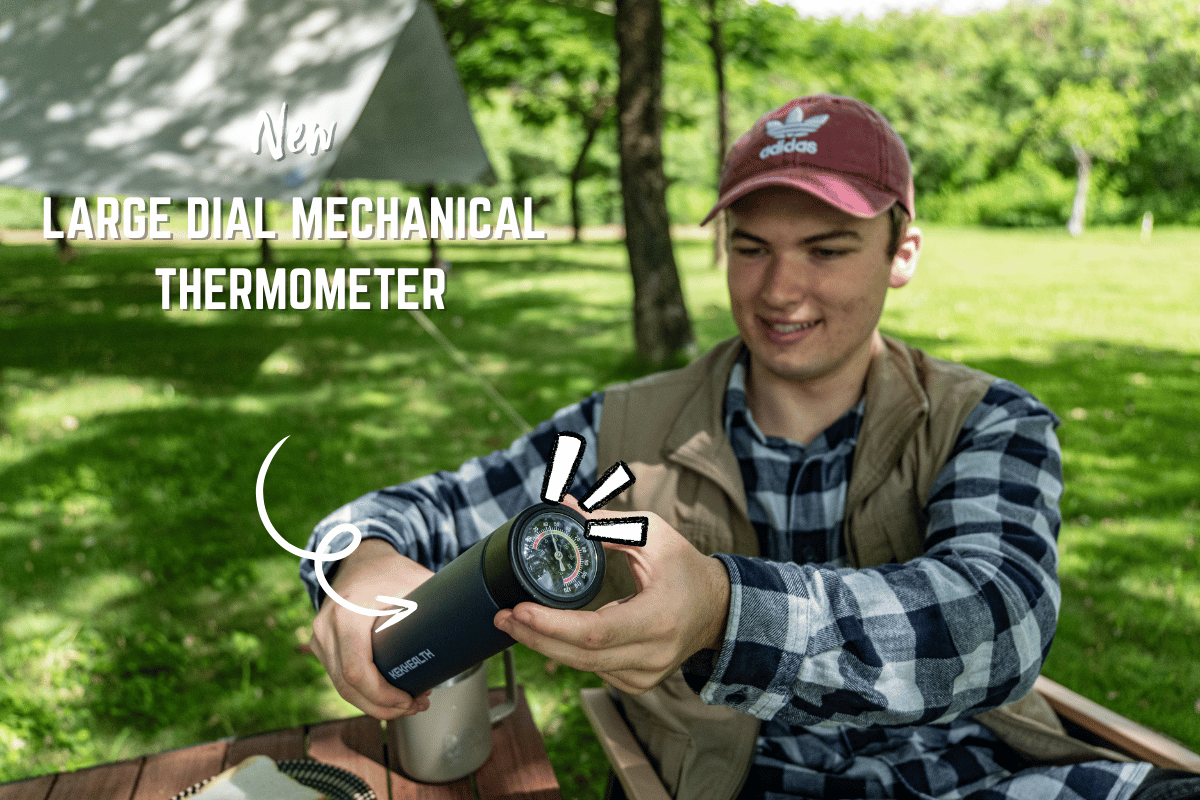
Para muchos viajeros, la serie DISONCARE Odyssey con opciones de visualización de temperatura mecánica o LED es el mejor equilibrio entre portabilidad, capacidad y visibilidad.
Por qué es importante la visibilidad de la temperatura para la insulina
La insulina es sensible a la temperatura. Debe protegerse del calor extremo, la luz solar directa y la congelación.
La mayoría de la insulina sin abrir se guarda comúnmente en el frigorífico en:
36°F–46°F / 2°C–8°C
Muchas plumas de insulina abiertas o en uso pueden mantenerse a temperatura ambiente durante un tiempo limitado, según la marca de insulina. Un límite superior común para el almacenamiento a temperatura ambiente es aproximadamente:
86°F / 30°C
Sin embargo, las condiciones de viaje no siempre son predecibles.
Su insulina puede estar expuesta a cambios de temperatura durante:
-
Vuelos
-
Retrasos en el aeropuerto
-
Viaje en tren
-
Viajes por carretera
-
Traslados al hotel
-
Turismo al aire libre
-
dias de playa
-
viajes de negocios
-
Viajes de verano
Una pantalla de temperatura ayuda porque le brinda un punto de referencia visible. En lugar de adivinar si la hielera “se siente lo suficientemente fría”, puede verificar la temperatura que se muestra y tomar mejores decisiones.
En qué puede ayudar una pantalla de temperatura
1. Reducir las conjeturas
Sin pantalla, muchos viajeros confían en el tacto.
Pero el tacto no es exacto. Una hielera puede sentir frío afuera mientras el espacio interno se calienta. O la capa exterior puede sentirse caliente mientras el interior aún está protegido.
Una pantalla de temperatura le ayuda a ver más claramente lo que sucede dentro de la nevera.
2. Retrasos en los viajes
Los días de viaje suelen tardar más de lo esperado.
Un vuelo de dos horas puede convertirse en un día de viaje completo si incluye:
-
Conduciendo al aeropuerto
-
Control de seguridad
-
puerta esperando
-
Retrasos de vuelos
-
Escalas
-
Reclamo de equipaje
-
Traslado hotel
-
Facturación
Una pantalla de temperatura puede ayudarle a monitorear las condiciones durante estos períodos de viaje más largos.
3. Viajes en climas cálidos
Si viaja durante el verano o visita lugares con olas de calor, la visibilidad de la temperatura se vuelve más útil.
Los ejemplos incluyen:
-
viajes de verano a europa
-
Destinos desérticos o de playa
-
Eventos al aire libre
-
Viajes por carretera
-
Ciudades sin aire acondicionado fiable
-
Trenes, autobuses o taxis calientes
En estas situaciones, conocer la temperatura interna del frigorífico puede ayudarle a responder antes.
4. Llevar varios bolígrafos
Si solo lleva un bolígrafo activo para una salida corta, una simple hielera compacta puede ser suficiente.
Pero si lleva entre 2 y 3 plumas, insulina de respaldo o insulina y otro medicamento inyectable, una pantalla de temperatura puede brindarle mayor confianza.
Es por eso que muchos viajeros eligen la serie DISONCARE Odyssey para 2 o 3 bolígrafos.
Lo que una pantalla de temperatura no puede hacer
Una pantalla de temperatura es útil, pero tiene límites.
No puede:
-
Garantizar la seguridad de la insulina
-
Daño por calor inverso
-
Reemplace las instrucciones de almacenamiento oficiales
-
Informarle si la insulina sigue siendo eficaz después de una exposición grave
-
Reemplazar el consejo del farmacéutico o del proveedor de atención médica.
-
Proteja la insulina si la hielera no está preparada correctamente
-
Evite la congelación si el medicamento se coloca directamente sobre paquetes congelados.
Piense en la pantalla como una herramienta de seguimiento, no como una herramienta de juicio médico.
Si su insulina estuvo expuesta a calor extremo, luz solar directa, congelación o temperaturas desconocidas durante mucho tiempo, consulte a su farmacéutico o proveedor de atención médica antes de usarla.
¿Quién debería elegir un nevera para insulina con indicador de temperatura?
Una pantalla de temperatura es especialmente útil para:
-
Viajeros frecuentes
-
Viajeros internacionales
-
Usuarios de insulina que llevan plumas de repuesto
-
Personas que viajan durante el verano.
-
Personas que visitan países cálidos
-
Viajeros de negocios con largas jornadas de viaje
-
Padres llevando insulina para un niño.
-
Personas que se sienten ansiosas por el almacenamiento de medicamentos.
-
Usuarios que llevan medicación tanto de insulina como de GLP-1
-
Cualquiera que utilice trenes, automóviles, ferries o escalas largas.
También es útil si te preguntas con frecuencia:
“¿Mi insulina todavía está lo suficientemente fría?”
Si esa pregunta surge con frecuencia, la visibilidad de la temperatura puede valer la pena.
Cuando es posible que no necesite una pantalla de temperatura
Una visualización de la temperatura puede ser menos necesaria si:
-
Solo llevas un bolígrafo activo
-
tu salida es corta
-
No viajas cuando hace calor
-
Tienes almacenamiento interior confiable
-
Utiliza la hielera principalmente para los recados diarios cortos.
-
Prefieres la opción más ligera y sencilla
En este caso, la serie DISONCARE Holiday puede ser suficiente.
Holiday es compacto y discreto, lo que lo convierte en una buena opción para llevar un bolígrafo y llevarlo todos los días.
Opciones de enfriador DISONCARE
Serie navideña: mejor sin pantalla para un bolígrafo
La serie DISONCARE Holiday es la mejor para usuarios que necesitan una hielera simple y compacta para una pluma de insulina activa.
Lo mejor para:
-
un bolígrafo
-
recados diarios
-
Días de oficina
-
salidas cortas
-
Restaurantes
-
Viaje ligero
Es una buena opción cuando la portabilidad importa más que el control de la temperatura.
Serie Odyssey: mejor con opciones de visualización de temperatura
La serie DISONCARE Odyssey es la mejor opción si desea un nevera para insulina más listo para viajar con opciones de visualización de temperatura.
Lo mejor para:
-
2 a 3 plumas de insulina
-
Viajes cortos
-
viajes de verano a europa
-
viajes de negocios
-
Retrasos en el aeropuerto
-
Viaje en tren
-
Usuarios que quieren más visibilidad
Odyssey está disponible en modelos con opciones de visualización de temperatura mecánica o LED, lo que brinda a los viajeros una forma más clara de monitorear la temperatura interna de la hielera durante situaciones de viaje reales.
Serie Intercontinental: lo mejor para tener más capacidad
La Serie Intercontinental DISONCARE es mejor si lleva más medicamentos o viaja por períodos más largos.
Lo mejor para:
-
5 a 7 bolígrafos para medicamentos
-
viajes internacionales
-
Viaje de varias semanas
-
Insulina más medicación GLP-1
-
Suministro de respaldo adicional
Si su prioridad es la capacidad máxima, Intercontinental puede ser mejor que elegir un modelo centrado en la pantalla.
Visualización de temperatura versus sin visualización de temperatura
| Necesidad de viaje | Mejor elección |
|---|---|
| Un bolígrafo activo para llevar a diario | vacaciones |
| 2 o 3 bolígrafos con más visibilidad | Odisea con pantalla |
| viajes de negocios cortos | Odisea |
| Viajes en climas cálidos | Odisea con pantalla |
| Largo viaje internacional con muchos bolígrafos. | Intercontinental |
| La opción diaria más ligera | vacaciones |
| Suministro de respaldo adicional | Intercontinental |
Cómo utilizar sabiamente una pantalla de temperatura
Una pantalla es más útil cuando se combina con hábitos de almacenamiento correctos.
Utilice estas sencillas reglas:
-
Prepara la hielera antes de salir.
-
Mantenga los medicamentos alejados de la luz solar directa.
-
No dejes la hielera en un coche estacionado.
-
Mantenga la insulina en su bolso de mano cuando vuele
-
No coloque la insulina directamente contra paquetes congelados.
-
Consulte la pantalla durante largos días de viaje
-
Siga las instrucciones de almacenamiento de la etiqueta de su insulina.
-
Pregúntele a un farmacéutico si la exposición fue grave o poco clara.
Una pantalla le ayuda a detectar problemas antes, pero los buenos hábitos de embalaje siguen siendo importantes.
Preguntas frecuentes
¿Necesito una pantalla de temperatura para viajar con insulina?
No siempre. Pero es útil para viajes frecuentes, climas cálidos, múltiples bolígrafos, largos días de viaje y usuarios que desean más visibilidad.
¿Se requiere una pantalla de temperatura para la insulina?
No. No es necesario mostrar la temperatura, pero puede reducir las conjeturas al viajar.
¿Puede una pantalla de temperatura decirme si la insulina todavía es segura?
No. Puede mostrar la temperatura interna de la hielera, pero no puede confirmar si la insulina sigue siendo efectiva después de una exposición al calor extremo o a la congelación.
¿Qué enfriador DISONCARE tiene opciones de visualización de temperatura?
La serie DISONCARE Odyssey ofrece opciones de visualización de temperatura mecánica y LED en modelos seleccionados.
¿Es Odyssey mejor que Holiday?
Odyssey es mejor si lleva de 2 a 3 bolígrafos o desea visibilidad de la temperatura. Las vacaciones son mejores si necesita una hielera compacta para un bolígrafo.
Conclusiones clave
No siempre es necesaria una pantalla de temperatura, pero puede resultar muy útil para el viaje de insulina.
Ayuda a reducir las conjeturas durante vuelos, retrasos, viajes en tren, viajes por carretera y climas cálidos.
Una pantalla no garantiza la seguridad de la insulina ni reemplaza las instrucciones de almacenamiento adecuadas.
Las vacaciones son mejores para un bolígrafo y un sencillo transporte diario.
Odyssey es mejor para 2 o 3 bolígrafos y opciones de visualización de temperatura.
Intercontinental es mejor para viajes más largos y mayores suministros de medicamentos.
Pensamientos finales
Una pantalla de temperatura no pretende complicar el viaje de la insulina. Se trata de hacer que viajar sea menos incierto.
Si solo lleva un bolígrafo para las salidas diarias cortas, una hielera compacta puede ser suficiente. Pero si viaja con frecuencia, lleva insulina de respaldo, visita lugares calurosos o quiere ver lo que sucede dentro de su hielera, una pantalla de temperatura puede ser una opción inteligente.
La serie DISONCARE Odyssey está diseñada para viajeros que desean esa visibilidad adicional sin renunciar a la portabilidad.
Porque cuando viaja con insulina, menos conjeturas puede significar más confianza.