
Risposta rapida
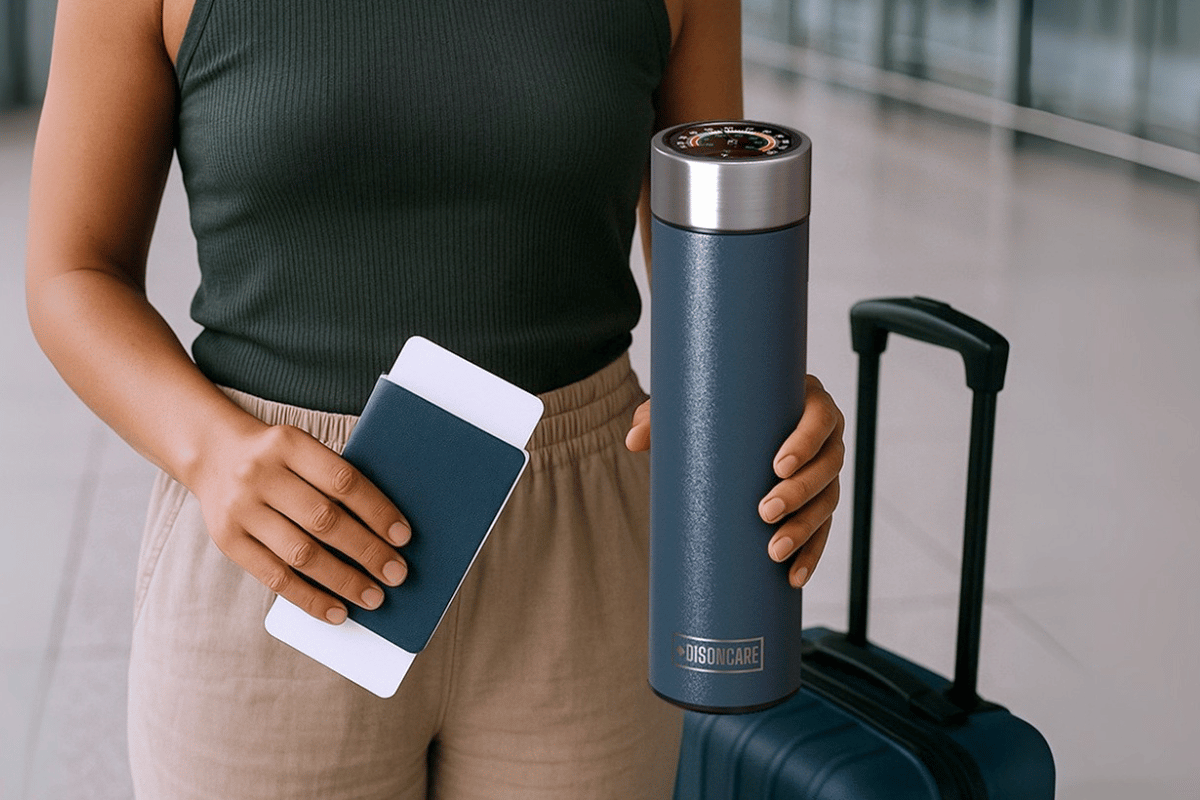
Per mantenere l'insulina al fresco durante i viaggi in Europa quest'estate, conservatela in un apposito contenitore termico per insulina, tenetela nel bagaglio a mano, evitate la luce solare diretta e le auto surriscaldate e proteggetela sia dal surriscaldamento che dal congelamento.
Per un utilizzo quotidiano di breve durata, un contenitore termico compatto come la serie DISONCARE Holiday può essere sufficiente per una penna. Per 2-3 penne o viaggi brevi, la serie DISONCARE Odyssey è una scelta pratica. Per viaggi più lunghi in Europa o per più penne di insulina, la serie DISONCARE Intercontinental offre più spazio e un supporto ideale per viaggi più lunghi.
Perché la conservazione dell'insulina è importante durante i viaggi estivi in Europa
L'Europa è una meta estiva molto gettonata, ma viaggiare durante la stagione calda può rappresentare una vera sfida per chi utilizza l'insulina.
Potresti trascorrere ore spostandoti tra aeroporti, treni, taxi, hotel, caffè all'aperto, musei, spiagge e strade cittadine. Durante un'ondata di calore, il tuo zaino o la tua borsa potrebbero diventare molto più caldi del previsto.
L'insulina è sensibile alla temperatura. Se si surriscalda o congela, potrebbe perdere efficacia. Ciò può influire sul controllo della glicemia e rendere il viaggio più stressante.
L'obiettivo è semplice:
Conserva l'insulina in un luogo fresco, protetto e vicino a te.
A quale temperatura deve essere conservata l'insulina?
La maggior parte dell'insulina non aperta deve essere conservata in frigorifero a circa:
36°F–46°F / 2°C–8°C
Molte penne per insulina aperte possono rimanere a temperatura ambiente per un tempo limitato, a seconda della marca di insulina. Tuttavia, "temperatura ambiente" non significa uno zaino caldo, un'auto parcheggiata, una banchina del treno assolata o una borsa da spiaggia.
Il calore eccessivo può danneggiare l'insulina. Anche il congelamento può danneggiare l'insulina.
Prima di partire, verifica le istruzioni di conservazione specifiche per la tua marca di insulina, come NovoLog, Humalog, Lantus, Levemir, Tresiba, Fiasp o qualsiasi altra insulina prescritta dal medico.
Situazioni comuni di viaggio in Europa che possono aumentare l'insulina
Lunghe giornate in aeroporto
Un volo può durare solo 2 o 3 ore, ma l'intera giornata di viaggio può essere molto più lunga. Potresti dover affrontare il check-in in aeroporto, i controlli di sicurezza, i ritardi all'imbarco, il ritiro bagagli, il controllo passaporti e il trasporto verso l'hotel.
Pianifica l'intero viaggio, da porta a porta, non solo la durata del volo.
Viaggio in treno
I treni europei sono comodi, ma d'estate le banchine, i cambi tra le stazioni e le carrozze affollate possono diventare molto calde. Conservate la borsa termica per l'insulina all'interno della borsa e evitate di esporla alla luce diretta del sole vicino al finestrino.
Mini-frigoriferi degli hotel
I mini-frigoriferi degli hotel non sono sempre affidabili. Alcuni sono troppo caldi, mentre altri possono congelare gli alimenti posizionati contro la parete posteriore.
Al vostro arrivo, controllate prima il frigorifero. Non appoggiate l'insulina direttamente sulla piastra refrigerante o sul vano congelatore.
Giornate dedicate alle visite turistiche
Le lunghe giornate trascorse a camminare a Roma, Parigi, Barcellona, Atene, Lisbona o in altre località estive possono esporre l'insulina al calore per ore. Una normale borsa o uno zaino non offrono una protezione sufficiente durante le giornate molto calde.
Utilizzare un contenitore termico dedicato per l'insulina da viaggio.
Un apposito contenitore termico per insulina aiuta a proteggere il farmaco dalle variazioni di temperatura esterna. Inoltre, mantiene le penne in ordine e riduce il rischio di danni all'interno della borsa.
I contenitori termici per insulina DISONCARE sono progettati per situazioni di viaggio reali, tra cui:
-
Voli
-
Viaggi in treno
-
Trasferimenti da e per l'hotel
-
Visite turistiche estive
-
Viaggi in auto
-
Attività all'aperto
-
Lunghi scali aeroportuali
Anziché riporre l'insulina sfusa in una sacca, un contenitore termico DISONCARE le offre uno spazio più protetto durante il giorno.
Quale borsa termica DISONCARE dovresti scegliere?
Serie per le vacanze: ideale per una sola penna
Scegli la serie Holiday se hai bisogno di portare con te una sola penna per insulina durante il giorno.
Ideale per:
-
Visite turistiche giornaliere
-
Uscite al ristorante
-
Brevi gite in città
-
Lavoro o scuola
-
Una penna per insulina attiva
È compatto, discreto e facile da trasportare in una piccola borsa.
Serie Odissea: ideale per 2-3 penne
La serie Odyssey è un'ottima scelta a tutto tondo per i viaggi estivi in Europa.
Ideale per:
-
2-3 penne per insulina
-
Gite del fine settimana
-
Viaggi d'affari
-
Vacanze brevi
-
Portare con sé una scorta di insulina
-
Utenti che desiderano opzioni di visualizzazione della temperatura
Alcuni modelli Odyssey includono indicatori di temperatura a LED o meccanici, che possono aiutarti a controllare più facilmente la temperatura interna del frigorifero.
Serie Intercontinentale: ideale per viaggi lunghi
Scegli la serie Intercontinentale se hai bisogno di portare con te una maggiore quantità di insulina.
Ideale per:
-
Vacanze più lunghe in Europa
-
Viaggi in più paesi
-
5–7 penne
-
Contiene sia insulina ad azione rapida che insulina ad azione prolungata.
-
I viaggiatori che desiderano una scorta di riserva extra
Se reperire l'insulina all'estero può risultare difficile, un contenitore termico più capiente può darti maggiore sicurezza.
Tieni l'insulina nel bagaglio a mano.
Quando viaggi in aereo, tieni sempre l'insulina nel bagaglio a mano.
Non riporre l'insulina nel bagaglio da stiva. I bagagli registrati potrebbero essere esposti a temperature sotto zero, calore eccessivo, ritardi o smarrimento.
Tenete con voi questi oggetti:
-
Penne o fiale di insulina
-
Aghi per penne o siringhe
-
Misuratore di glicemia
-
Forniture per CGM, se utilizzate
-
Copia della prescrizione
-
Certificato medico per viaggi internazionali
-
Disoncare: refrigeratori e accessori per il raffreddamento
Ai controlli di sicurezza dell'aeroporto, tenete insieme l'insulina e i prodotti refrigeranti e siate pronti a spiegare che sono necessari per motivi medici.
Evitare il contatto diretto con gli impacchi di ghiaccio.
È importante mantenere l'insulina al freddo, ma congelarla è pericoloso.
Se si utilizzano impacchi di gel refrigerante, tubi refrigeranti o impacchi di ghiaccio, evitare che l'insulina entri in contatto diretto con essi. Utilizzare una guaina protettiva, un asciugamano o l'inserto consigliato dal produttore del contenitore refrigerante.
Una regola semplice:
Il fresco è un bene. Il congelato no.
Se l'insulina si congela, contatta il farmacista o il medico prima di utilizzarla.
Cosa fare in hotel
Una volta arrivati in hotel, controllate subito la disponibilità del deposito bagagli.
Se la camera è dotata di mini-frigorifero
Riporre l'insulina nel vano principale del frigorifero, lontano dal vano congelatore e dalla parete posteriore.
Se la stanza non ha il frigorifero
Chiedi alla reception:
"Potreste aiutarmi a conservare la mia insulina o a congelare la mia borsa frigo medica? È per uso medico."
Molti hotel possono essere d'aiuto se spieghi chiaramente la situazione.
Preparatevi per il prossimo giorno di viaggio.
Se vi trasferite in un'altra città, ricongelate il materiale refrigerante la sera prima. Non aspettate la mattina.
Semplice lista di controllo per l'insulina da viaggio in Europa
Prima di uscire ogni giorno, preparate:
-
Insulina
-
refrigeratore DISONCARE
-
Tubo refrigerante o impacco di gel, se necessario.
-
Aghi per penne o siringhe
-
Materiali di consumo per misuratore di glucosio o CGM
-
zucchero ad azione rapida
-
Copia della prescrizione
-
Certificato medico per viaggi internazionali
-
Piano di smaltimento di piccoli oggetti taglienti
Per i viaggi più lunghi, porta con te una quantità di insulina superiore al numero esatto di giorni di viaggio previsti. Possono verificarsi dei ritardi.
Domande frequenti
Posso tenere l'insulina nello zaino mentre visito la città?
Solo se protetto dal calore. D'estate, uno zaino può diventare troppo caldo. Utilizza un contenitore termico per insulina per una conservazione più sicura.
Posso mettere l'insulina nel bagaglio da stiva?
No. Tieni l'insulina nel bagaglio a mano per evitare che si congeli, si surriscaldi, si perda o subisca ritardi.
L'insulina può entrare in contatto con un impacco di ghiaccio?
Evitare il contatto diretto con gli impacchi congelati. Utilizzare un materiale isolante per prevenire il congelamento accidentale.
Quale borsa termica DISONCARE è la migliore per i viaggi estivi in Europa?
Per una sola penna, scegli Holiday. Per 2-3 penne, scegli Odyssey. Per viaggi più lunghi o più penne, scegli Intercontinental.
Devo portare un certificato medico?
Sì, soprattutto per i viaggi internazionali. Un semplice biglietto in inglese che spieghi la necessità di portare con sé insulina e materiale per le iniezioni può essere utile ai controlli di sicurezza e alla dogana.
Punti chiave
Viaggiare in Europa durante l'estate può esporre l'insulina al calore durante voli, treni, taxi, hotel e visite turistiche.
Conservare l'insulina al fresco, ma non congelarla.
Portate sempre l'insulina nel bagaglio a mano, non imbarcatela mai nel bagaglio da stiva.
Utilizzare un apposito contenitore termico per insulina DISONCARE anziché una normale sacca.
Scegli Holiday per una penna, Odyssey per 2-3 penne e Intercontinental per viaggi più lunghi o per maggiori scorte di insulina.
Considerazioni finali
Viaggiare in Europa d'estate può essere entusiasmante, ma la conservazione dell'insulina richiede particolare attenzione durante la stagione calda.
L'approccio migliore è semplice: pianificate in anticipo, portate sempre con voi l'insulina, evitate il calore e la luce solare diretta e utilizzate un apposito contenitore termico per il trasporto dell'insulina.
I contenitori termici DISONCARE facilitano il trasporto dell'insulina, offrendo una maggiore protezione al farmaco durante voli, viaggi in treno, trasferimenti in hotel e lunghe giornate di visite turistiche.
Perché quando si esplora l'Europa, la propria insulina deve rimanere protetta in ogni fase del viaggio.