
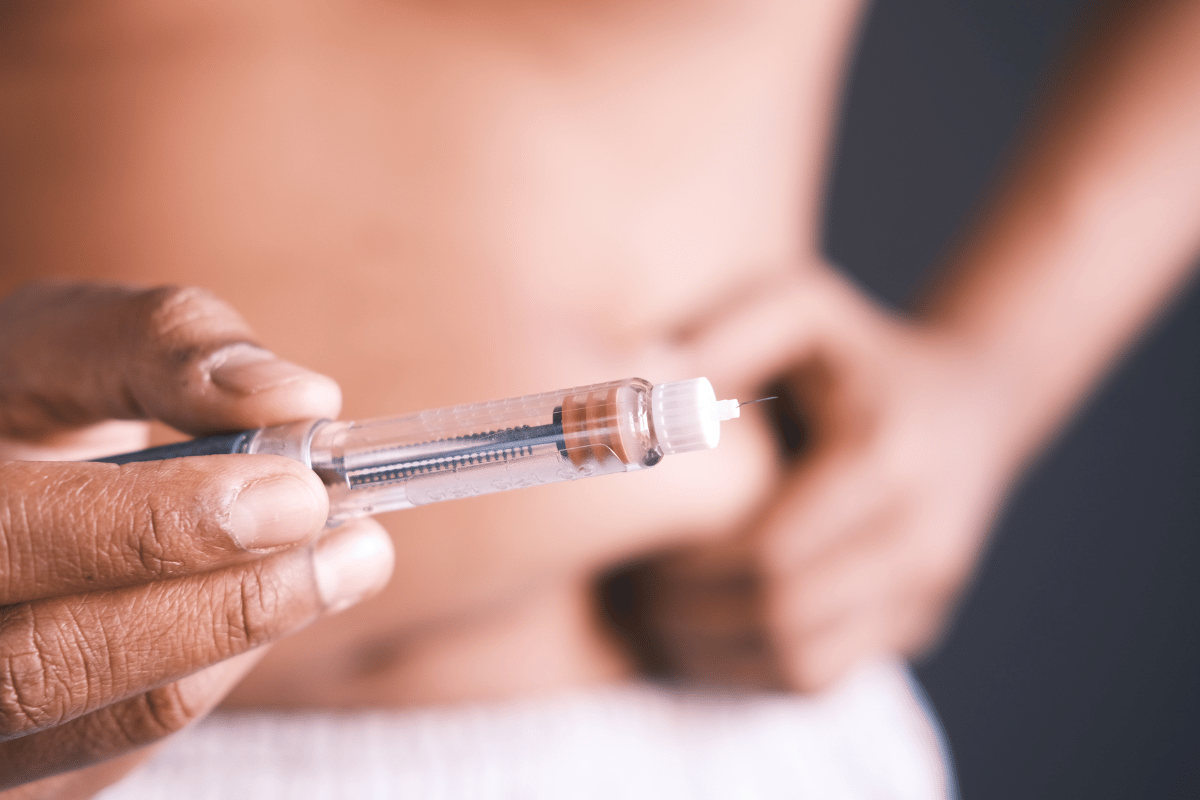
Combinare le dosi di insulina può essere intimidatorio, in particolare per chi è nuovo alle iniezioni. Mescolare due tipi diversi di insulina nella stessa siringa può essere impegnativo, soprattutto se si tratta di una procedura nuova per te.
Tuttavia, con le procedure corrette e un po’ di pratica, combinare l'insulina è sicuro, di routine e highly manageable.
Questa guida fornisce informazioni su Quando mescolare insulin e dettagli quali tipi sono compatibili. Scoprirai una cosa semplice processo passo dopo passo. I suggerimenti sulla sicurezza sono inclusi ovunque dal team.
⚠️ Attenersi sempre alle indicazioni del proprio medico. Questa guida è a scopo didattico e non sostituisce la consulenza medica professionale.
Perché mescolare alcune insuline?
I medici potrebbero raccomandare di mescolare due insuline in una siringa per:
- Diminuire il numero di iniezioni giornaliere
- Combina l'insulina ad azione breve e quella ad azione intermedia
- Migliora la gestione della glicemia durante i pasti
La combinazione di insulina in una singola iniezione può risolvere entrambi i problemi esigenze immediate e fornire una copertura estesa.

Quali insuline possono essere combinate?
✅ Insuline frequentemente combinate
- Insulina ad azione rapida (Normale/a breve durata d'azione)
- Insulina ad azione intermedia (NPH)
Un tipico abbinamento è Insulina regolare con insulina NPH.
❌Insuline che NON devono essere combinate
- Insuline ad azione prolungata (Lantus®, Levemir®, Tresiba®)
- Prodotti insulinici premiscelati (già miscelati)
- Penne per insulina (non prelevare l'insulina dalle penne se non indicato)
Se incerto, consultare il proprio farmacista o educatore del diabete prima di combinare.
Forniture necessarie
- Due tipi di flaconcini di insulina
- Siringa da insulina
- Tamponi alcolici
- Superficie pulita e piana
- Contenitore per lo smaltimento degli oggetti taglienti
💡 Verificare le date di scadenza e controllare l'eventuale torbidità o particelle dell'insulina prima dell'uso.
Passo dopo passo: miscelazione di due insuline in un'unica siringa
Questo è conforme allo standard “sereno prima del nuvoloso” guideline.
Passaggio 1: lavarsi le mani
Usa acqua e sapone e asciugali accuratamente.
Passaggio 2: arrotolare l'insulina torbida
Se hai un'insulina torbida (comunemente NPH):
- Fai rotolare delicatamente la fiala tra i palmi delle mani da 10 a 20 volte
- Evitare di scuoterlo
Ciò garantisce che la sospensione di insulina venga miscelata in modo uniforme.
Passaggio 3: disinfettare le parti superiori delle fiale
Utilizzare alcol per pulire i tappi di gomma su entrambi i flaconcini e lasciarli asciugare.
Passaggio 4: aspirare l'aria nella siringa
- Tirare indietro lo stantuffo fino alla dose richiesta insulina torbida
- Iniettare aria nel flaconcino di insulina torbido (non prelevare ancora l'insulina)
- Ritirare l'ago
Passaggio 5: iniettare aria nell'insulina trasparente
- Tirare indietro alla dose richiesta di insulina chiara
- Iniettare aria nel flaconcino di insulina trasparente
Passaggio 6: preparare PRIMA l'insulina trasparente
- Capovolgere la fiala trasparente di insulina
- Disegna la dose esatta
- Ispezionare le bolle d'aria ed eliminarle
Sempre sereno prima del nuvoloso.
Passaggio 7: preparare l'insulina torbida
- Inserire l'ago nel flaconcino contenente insulina torbida
- Capovolgere la fiala
- Preleva delicatamente l'importo prescritto
La siringa ora contiene entrambi i tipi di insulina.
Passaggio 8: somministrare immediatamente
- Seleziona il sito di iniezione
- Amministrare come indicato
- Smaltire la siringa in un apposito contenitore per oggetti taglienti
Non conservare una siringa con insulina mista per un uso futuro.

Errori comuni da evitare
- ❌ Prelevare prima l'insulina torbida
- ❌Agitare le fiale di insulina
- ❌ Miscelazione di insulina ad azione prolungata
- ❌ Conservare l'insulina mista per un uso successivo
- ❌ Stimare le dosi invece di misurare con precisione
Se qualcosa sembra strano, scartare e ricominciare.
Linee guida per la conservazione dell'insulina
L’efficacia dell’insulina dipende fortemente dalla corretta conservazione:
- Conservare l'insulina non aperta in frigorifero
- Conservare le fiale in uso a temperatura ambiente, se consentito
- Evitare l'esposizione al calore, al gelo e alla luce solare diretta
Per le attività quotidiane, i viaggi o gli orari di lavoro prolungati, numerose persone fanno affidamento Raffreddatori medicali DISONCARE. Questi dispositivi garantiscono che l'insulina rimanga a temperature sicure quando non refrigerata.
Domande frequenti
È possibile miscelare l'insulina in anticipo?
No, l'insulina mista deve essere iniettata immediatamente.
Perché la sequenza è importante?
Prelevare prima l'insulina trasparente per evitare di contaminare il flaconcino trasparente con insulina torbida.
Cosa devo fare se prelevo una quantità errata?
Smaltire la siringa e ricominciare da capo. La precisione è fondamentale.
I bambini o gli operatori sanitari possono gestire la miscelazione dell’insulina?
Sì, con una formazione adeguata e la supervisione di un operatore sanitario.
Punto chiave
Miscelare l’insulina è un’abilità che diventa più facile con la pratica. Aderendo al regola “trasparente prima, torbida dopo”Utilizzando tecniche sterili e verificando le dosi, è possibile miscelare l'insulina in tutta sicurezza.
Se ti senti incerto, contatta il tuo team di cura del diabete. La perfezione non è richiesta fin dall'inizio.
Questo articolo è destinato esclusivamente ad uso didattico e non sostituisce la consulenza medica professionale. Attenersi sempre alle raccomandazioni del proprio medico.